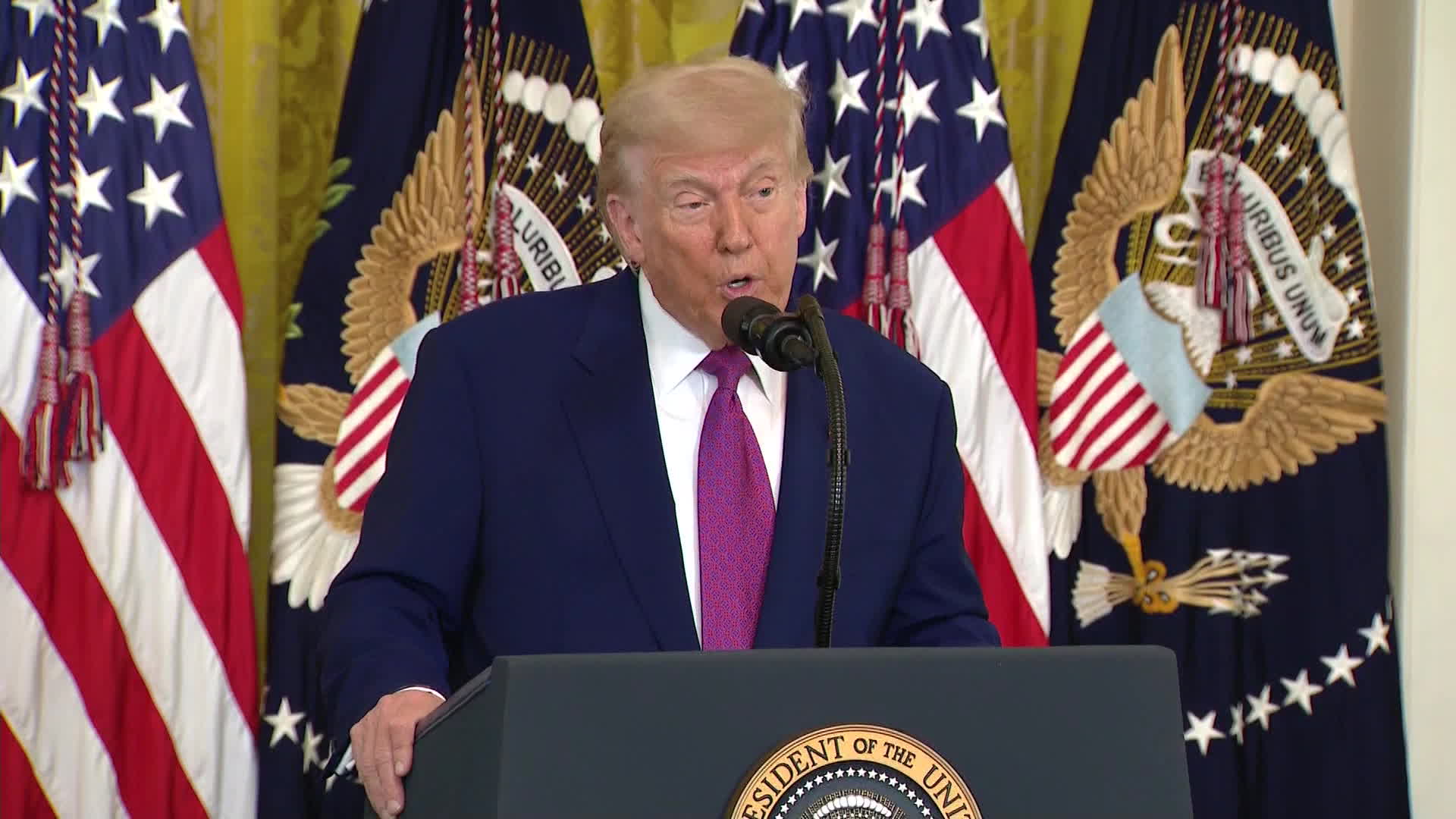
Former President Trump stated on Bloomberg TV that he is considering raising US auto tariffs. The potential increase could significantly impact the automotive industry, potentially raising costs for consumers and altering trade relationships with countries that export vehicles to the US.
Former President Trump's statement on Bloomberg TV, indicating a consideration to raise US auto tariffs, introduces significant policy uncertainty for the automotive sector. This potential policy shift carries a 'strongly negative' sentiment score of -0.65 and a notable 'market_impact_score' of 0.65, reflecting concerns over potential disruptions. If implemented, such tariffs could lead to increased vehicle costs for US consumers, materially affect the profitability and operational strategies of domestic and international automakers, and strain trade relationships with key auto-exporting nations. The prevailing 'uncertain' tone underscores that this is currently a declaration of intent rather than a formalized policy, creating a challenging environment for forecasting. While the broader Bloomberg TV segment also included discussions on technology featuring companies like Grindr Inc. (GRND) and Meta Platforms, Inc. (META), for which per-ticker sentiment was neutral (0.0), the primary market-relevant information stems from the potential changes to auto trade policy, aligning with identified themes of 'Tax & Tariffs', 'Automotive & EV', and 'Trade Policy & Supply Chain'.
AI-powered research, real-time alerts, and portfolio analytics for institutional investors.
Request DemoOverall Sentiment
strongly negative
Sentiment Score
-0.65
Ticker Sentiment
