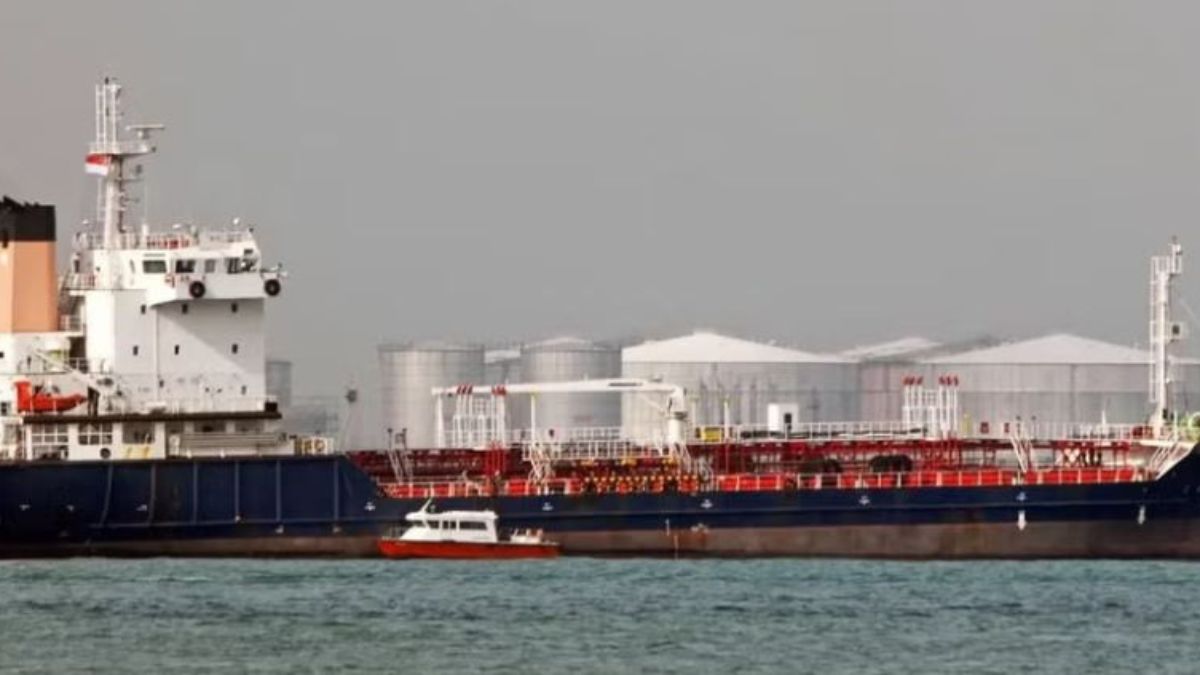
Indian authorities, via a coordinated India Coast Guard sea-air operation on Feb 5-6, seized three tankers — Stellar Ruby, Asphalt Star and Al Jafzia — about 100 nautical miles west of Mumbai as part of a crackdown on illicit mid-sea oil transfers. The Dubai-based owner Jugwinder Singh Brar, whose Prime Tankers/Glory International fleet (27 vessels cited by OFAC) was sanctioned by the US Treasury in April 2025 for allegedly transporting Iranian oil, denies smuggling, says the ships provided emergency bunkers/water and that Al Jafzia was en route for scrapping, and has threatened a defamation suit; the episode underscores heightened maritime enforcement risks for sanctioned shipping networks and potential operational disruption in regional tanker logistics.
Market structure: Enforcement against mid‑sea ship‑to‑ship transfers favors large, compliant tanker owners and brokers with access to insured pools (e.g., FRO, EURN, INSW) while hurting small/‘shadow‑fleet’ operators and regional bunker suppliers; expect short‑term upward pressure on Aframax/Handy spot rates (TD20/TD12) of 15–30% if seizures continue over 1–3 months and a $2–6/bbl incremental risk premium for Brent in that window. Competitive dynamics: compliant public owners gain pricing power for chartering and can capture displaced cargoes; shadow operators face financing/insurance squeezes that will compress their capacity by an estimated 10–25% if OFAC/Indian actions intensify. Cross‑asset: higher oil vol favors energy equities/ETFs (XLE, BNO), lifts marine insurers/reinsurers (AON, MMC) via rate repricing, and should support USD as a safe‑haven; sovereign/EM FX tied to illicit flows (IRR indirectly) may weaken on sustained crackdowns.
Risk assessment: Tail risks include escalation to interdiction of non‑sanctioned ships or retaliatory attacks raising tanker insurance premiums 50%+ and spiking freight volatility — low probability but >$10/bbl shock if combined with port closures. Timing: immediate (days) for market knee‑jerk moves; short term (30–90 days) for cargo rerouting and insurance repricing; long term (6–24 months) for structural decline of shadow fleet and higher baseline charter rates. Hidden dependencies: letters‑of‑credit, P&I underwriting capacity, and regional naval patrol coordination; catalysts to watch are OFAC enforcement notices, Indian court rulings, and INSURANCE rate filings (next 30–60 days).
Trade implications: Establish modest, risk‑controlled positions: 2–3% long in Frontline (FRO) and 1–2% long in Euronav (EURN) to capture higher spot rates over 1–3 months; short 1–2% in Scorpio Tankers (STNG) or small MR/heavy coastal tanker names that lack Western insurance access. Options: buy 3‑month call spreads on BNO (long ATM, short ATM+10%) sized to 1% portfolio to express oil upside with defined risk; buy 3‑month ATM straddles on targeted small tanker stocks (STNG) if expecting regulatory headlines to drive >30% moves. Rotate 3–6% from small‑cap shipping into XLE and reinsurers (AON, MMC) over next 30 trading days.
Contrarian angles: Consensus assumes persistent tightening; that ignores legal reversals — if Indian courts or OFAC rulings release assets within 30–60 days the snapback could erase much of the premium, so keep shorts/option hedges to defined risk and set a hard stop if Brent falls >$4 from peak within 2 weeks. Historical parallels (2019‑2021 shadow‑fleet sanctions) show initial spikes then adaptation by reflagging within 3–9 months, so prefer tactical (3‑month) plays over multi‑year directional bets. Unintended outcome: higher insurance pricing could structurally benefit large brokers/P&I clubs — consider small (1–2%) selective longs in AON/MMC as asymmetric plays if marine insurance rates are publicly filed up 20%+ in the next quarter.
AI-powered research, real-time alerts, and portfolio analytics for institutional investors.
Request DemoOverall Sentiment
moderately negative
Sentiment Score
-0.35
