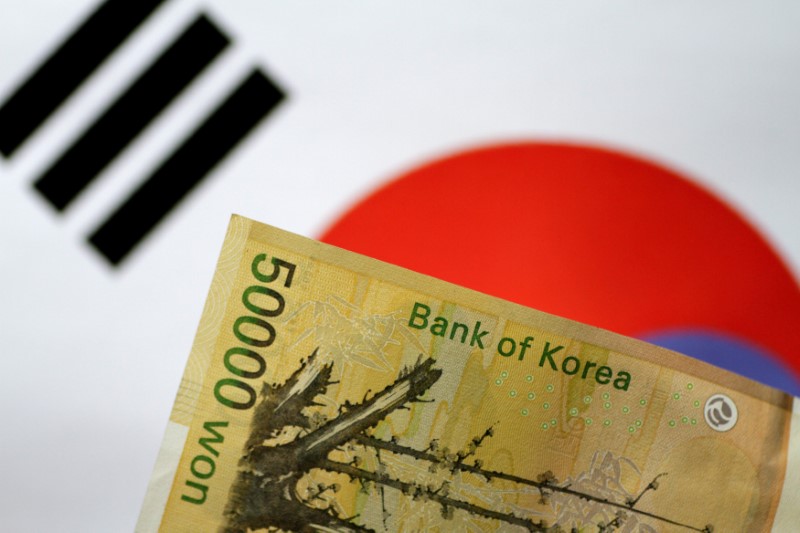
President Trump said the U.S. will ramp up military operations against Iran over the next 2-3 weeks, prompting safe-haven flows: US Dollar Index +0.3% and futures +0.3% in Asian trade. Asian FX moved weaker (USD/KRW +0.6%, USD/JPY +0.3%, USD/CNY +0.2%, USD/SGD +0.3%) while USD/INR was 93.24 (earlier weekly high 95.22); oil rebounded, raising inflation risks and complicating the Fed outlook. Australia’s trade surplus widened to A$5.69B in Feb as exports +4.9% and imports -3.2%; markets are now focused on US nonfarm payrolls for further Fed policy cues; RBI barred banks from offering rupee NDFs, tightening FX regulation.
The market is pricing a near-term military escalation premium that transmits through three channels: higher oil, safer USD funding demand, and localized EM FX stress. A sustained 10-15% realized move in Brent over 2–6 weeks would mechanically raise headline CPI trajectories by ~15–30bp over the next 3 months (via transport and production passthrough), increasing the odds the Fed pauses on rate cuts and keeps terminal rate expectations elevated.
Second-order winners are dollar-funded balance-sheet providers and commodity producers with low marginal costs; losers are Asian importers, exporters with long supply chains dependent on containerized trade, and margin-sensitive manufacturers in Korea and Japan facing both FX and input-cost squeeze. Restrictions like India’s NDF ban reduce offshore liquidity and can paradoxically raise onshore hedging costs — expect higher volatility premia embedded in onshore INR options even as spot appears ‘muted’.
The key near-term catalyst window is 2–3 weeks (per commentariat timelines) but structural effects could persist 3–9 months if operations become protracted: shipping insurance and rerouting could raise freight rates 20–40% and extend lead times for semiconductors and auto parts sourced via SEA routes. Reversal scenarios (rapid diplomatic de-escalation or decisive, localized victory) can trigger sharp risk-on reversals; position sizing must account for that asymmetric tail.
AI-powered research, real-time alerts, and portfolio analytics for institutional investors.
Overall Sentiment
mildly negative
Sentiment Score
-0.35
