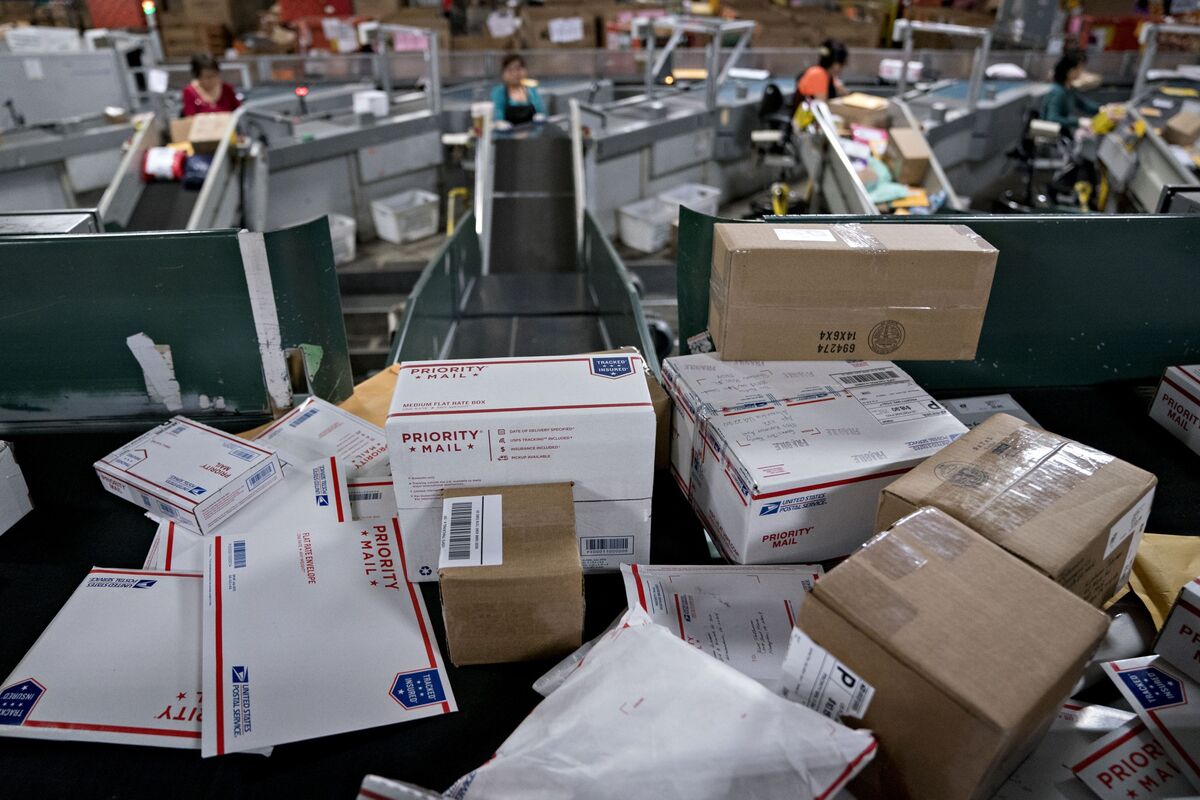
President Trump signed an executive order eliminating the de minimis exemption, effective August 29, which previously allowed tax-free import of goods valued under $800. This action applies tariffs to low-value imports from all trading partners, significantly impacting online retailers and potentially raising consumer costs or compressing retail margins.
The U.S. executive order suspending the de minimis exemption, effective August 29, represents a significant policy shift with direct implications for the retail sector. By applying tariffs to all imported goods valued at or under $800, the measure eliminates a crucial tax-free provision that has underpinned the business models of many online retailers, particularly those in fast fashion and consumer electronics. These companies now face a direct increase in their cost of goods sold, forcing a difficult choice between absorbing the new costs, which would compress their gross margins, or passing them on to consumers, which could negatively impact demand and price competitiveness. The policy's application to all trading partners broadens its impact beyond specific bilateral trade disputes, fundamentally altering the economics of high-volume, low-value international e-commerce and disrupting established supply chains.
AI-powered research, real-time alerts, and portfolio analytics for institutional investors.
Request DemoOverall Sentiment
moderately negative
Sentiment Score
-0.50
