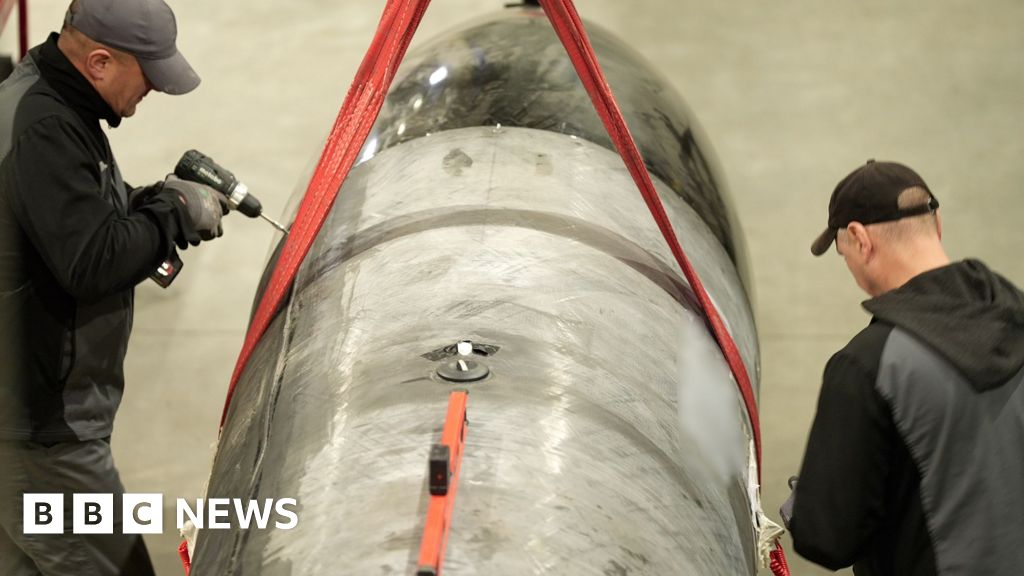
Ukraine's domestic defense sector is rapidly scaling production: Fire Point, a start-up founded after Russia's 2022 invasion, now produces about 200 drones per day (FP1/FP2 accounting for ~60% of Ukraine's long-range strikes) and has developed the Flamingo cruise missile reportedly with ~3,000 km range. Kyiv claims more than 50% of weapons used at the front are now domestically produced, while long-range Ukrainian strikes have cost the Russian economy an estimated $21.5bn this year; each Fire Point drone costs ~ $50,000 versus ~3x higher for a Shahed-type drone, and Russia is still producing thousands of Shaheds monthly. The company is deliberately localising supply chains and avoiding US/Chinese components amid uncertainty over Western assistance, a dynamic that may alter procurement needs and regional defense industrial policy but is unlikely to be an immediate market-moving shock.
Market structure: Ukraine's rapid, low-cost indigenous production (drones, cheap cruise missiles) accelerates demand for tier-2 suppliers—EO/IR seekers, guidance IMUs, small turbine/propulsion makers and machine tools—while capping pricing power for high-end Western cruise missiles. Large defense primes (RTX, LMT, NOC) gain from increased budgets for air-defence and munitions integration, but face margin pressure if mass low-cost systems commoditise strike capability. Cross-asset: expect higher oil price volatility (refinery hits), RUB depreciation and wider Russian sovereign spreads; VIX spikes on headline risk will lift options premia.
Risk assessment: key tail risks include NATO escalation (market shock), abrupt US aid withdrawal under political shifts (program funding cut >50% in 30–90 days), and supply-chain interdictions for microelectronics that halt Ukrainian output. Immediate (days) = headline-driven volatility; short-term (weeks–months) = legislative aid votes and EU procurement decisions; long-term (quarters–years) = re-shoring of defence supply chains and sustained European defense budgets. Hidden dependencies include Chinese-sourced components, insurance/finance for covert factories, and Western targeting/intel dependency.
Trade implications: tactically favor defense exposure and component suppliers while hedging energy disruption. Initiate 2–3% positions in diversified defense (ETF) and selective European primes, use 3–6 month call spreads to limit premium, and buy short-dated Brent call spreads as energy hedges. Scale into positions on volatility-driven pullbacks; tighten stops if US/EU aid falls below trigger levels.
Contrarian view: markets underappreciate structural demand for counter-UAV/air-defence and niche semiconductor suppliers—these could outperform large primes by 10–30% over 12–24 months. Risk of overpaying for headline-driven rallies in primes is real; historical parallel: Israeli drone ecosystem scaling forced incumbents to adapt, not replace, the supply chain. Unintended consequence: proliferation of cheap long-range strike raises insurance costs and prompts accelerated global defence spending outside NATO.
AI-powered research, real-time alerts, and portfolio analytics for institutional investors.
Request DemoOverall Sentiment
neutral
Sentiment Score
0.12
