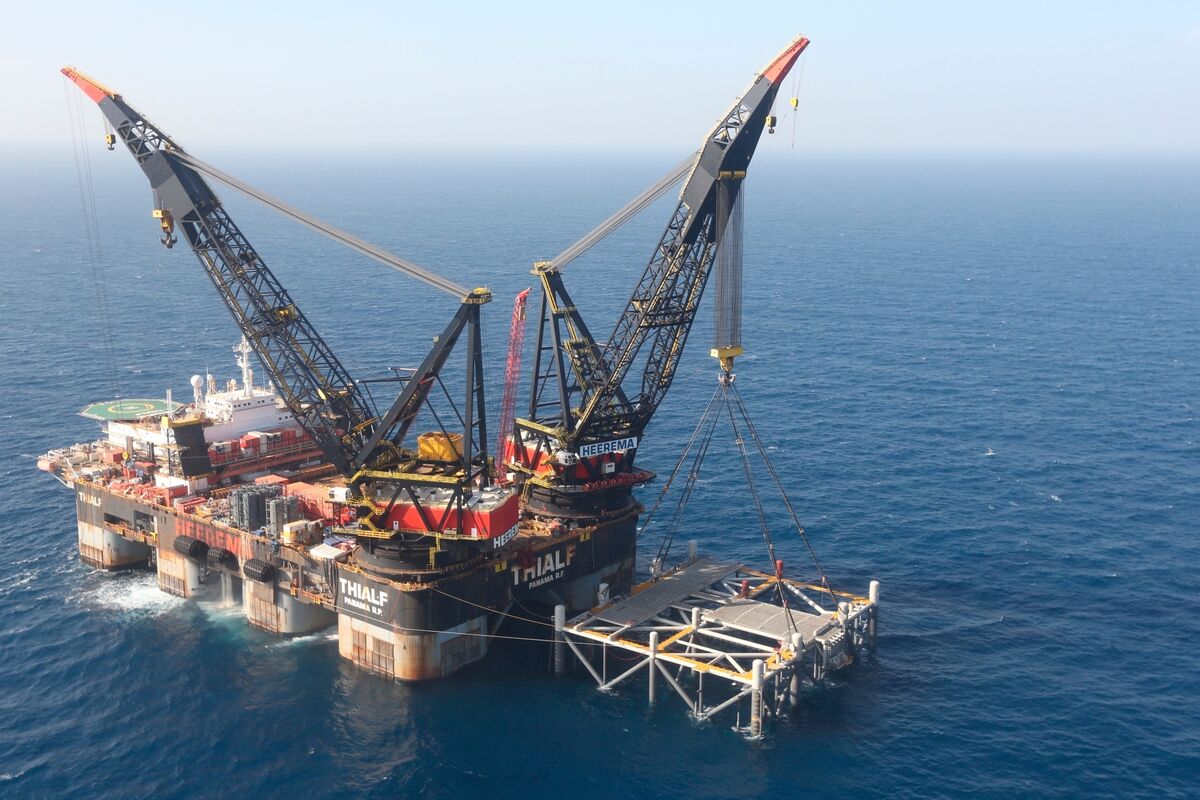
Israel's largest gas field, Leviathan, resumed production after a 33-day shutdown triggered by the Iran war, restoring supply for domestic use and exports. Stakeholder Newmed Energy LP confirmed the restart; the field is operated by Chevron and is a key supplier to Israel and Egypt. The restart should ease regional gas supply stress and relieve some upward pressure on energy markets in the Eastern Mediterranean and related export flows.
Restart of a major Eastern Mediterranean supply source should remove the marginal need for a small number of spot LNG cargoes that were covering downstream shortfalls; in practical terms expect 1–3 cargoes/month to be reabsorbed into contracted chains. That marginal supply swing is most impactful to front-month European and Mediterranean price points (TTF/MPAA/JKM spreads) over days-to-weeks and can depress near-term spot curves by a single-digit to low-teens percentage move if storage and weather remain benign.
Winners are the balance-sheet holders and processors reliant on steady baseload feed — operators with contractual liftings and nearby downstream regas capacity (Chevron exposure via acreage/operatorship, Egyptian liquefaction plants) gain stability while spot-market intermediaries and short-notice LNG buyers lose arbitrage value. Second-order losers include short-term charter and tri-freight markets: lower spot cargo requirements reduce tightness in charter dayrates and can unwind recent rate-driven equity rallies in LNG-shipping plays.
Key risks are asymmetric: within days the market can reprice if hostilities, sabotage, or cyber incidents re-emerge (high-frequency tail event), and within weeks contractual frictions at processing plants or export hubs could reintroduce bottlenecks. Over months to years the story bifurcates — sustained security normalization lowers risk premia and compresses volatility, whereas recurring disruptions will keep a structural premium on near-term cargo insurance, shipping, and offtake flexibility.
The consensus response will likely be a modest gas price relief trade; what’s missed is that transient downward pressure can damage the earnings trajectory of short-term LNG service providers much more than it moves major integrated E&P names. Monitor three leading indicators for trade validity: changes in monthly cargo nominations/manifest (7–14 day window), short-term TTF front-month vs seasonal spread, and charter fixture volumes for 7–30 day cargo windows.
AI-powered research, real-time alerts, and portfolio analytics for institutional investors.
Request DemoOverall Sentiment
mildly positive
Sentiment Score
0.25
