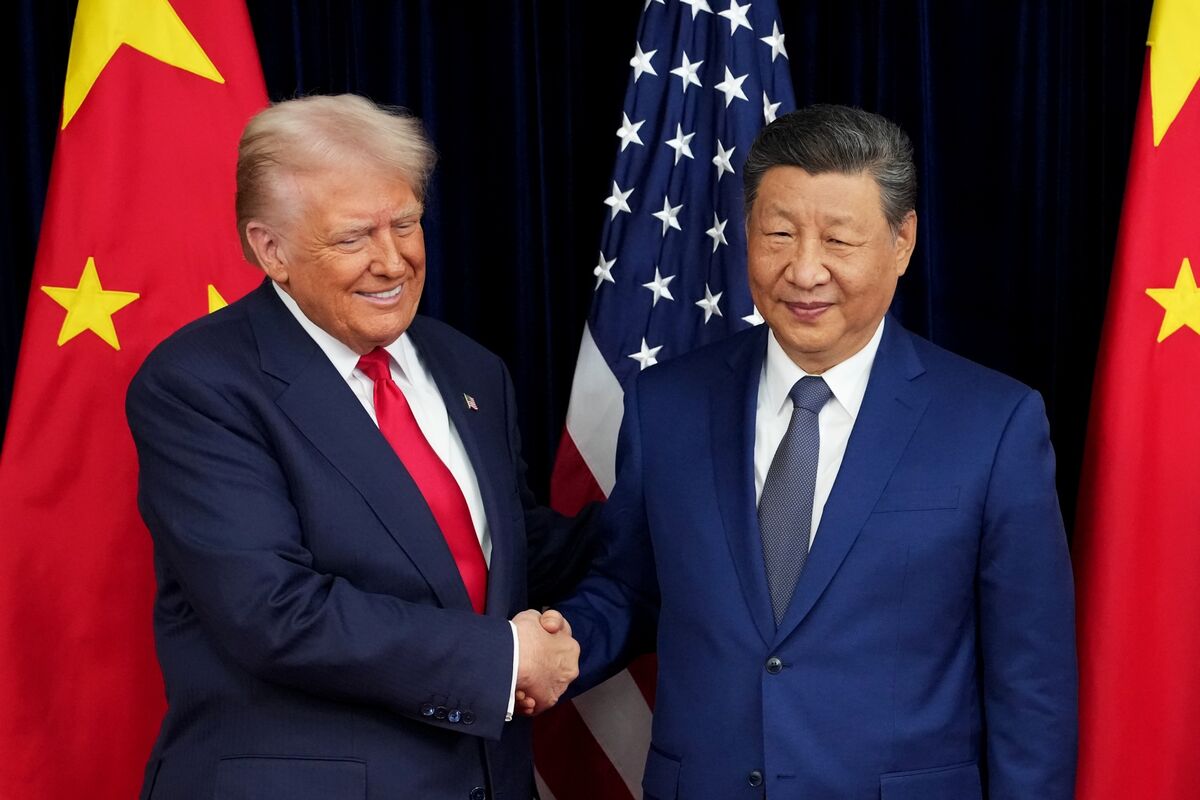
Xi Jinping hosted Kuomintang chairwoman Cheng Li-wun for a rare visit to Jiangsu, Shanghai and Beijing — the first KMT leader trip to the mainland since 2016. The visit, coming barely a month before the US president’s planned trip to Beijing, is a clear diplomatic signal aimed at warning the US over Taiwan and raises near-term geopolitical risk ahead of the summit.
This outreach should be read as a calibrated signal that Beijing is attempting to reorder the political status quo around cross-strait influence while shaping the narrative before a high-profile bilateral summit. Near-term market mechanics: reduced probability of an immediate kinetic escalation lowers the risk-premium priced into supply-chain-sensitive assets (semiconductor fabs, shipping lanes) for a window measured in days-to-weeks, but the policy objective increases the probability of later non-market levers (licenses, export controls, investment screens) over months-to-years.
Second-order effects flow through three channels: 1) operational continuity for Taiwan-based fabs (lower short-run disruption risk), 2) domestic Taiwanese politics (a goods/services and defense procurement re-rating over election cycles), and 3) Western policy tightening as a countermeasure (more export controls and selective onshoring incentives). The net is asymmetric: modest immediate upside for chip-equipment and Taiwan equities, but growing idiosyncratic downside tail risk to those same names as geopolitical tools shift from military to economic and regulatory domains.
Catalysts to flip the trade: a military incident or an abrupt change in US diplomatic posture can re-price a high-conviction disruption premium within 48–72 hours; conversely, a smooth summit with transactional agreements could extend the relief for 1–3 months. Risk management should therefore prioritize short-dated exposures around the summit and use hedges that pay off if policy escalation moves from rhetoric to export controls or capital-flow restrictions over the next 6–18 months.
AI-powered research, real-time alerts, and portfolio analytics for institutional investors.
Request DemoOverall Sentiment
mildly negative
Sentiment Score
-0.20
