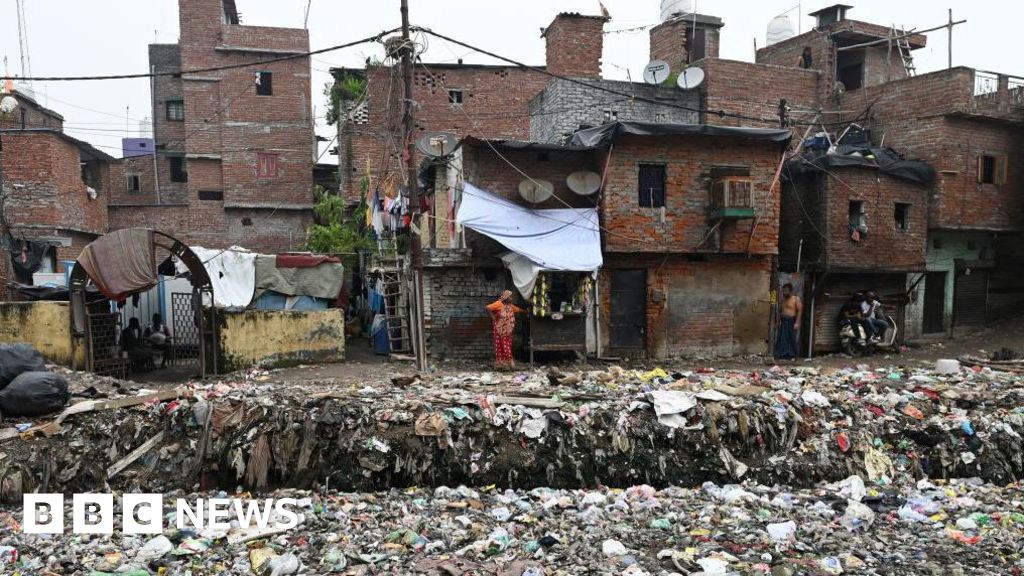
India has spent hundreds of billions on state-funded infrastructure—airports, multi-lane highways and metro networks—yet major cities like Jaipur, Bengaluru, Mumbai and Delhi continue to suffer severe liveability problems including toxic air, traffic gridlock, poor sanitation and potholes. Over half a billion Indians (nearly 40% of the population) now live in urban areas, but weak municipal governance, incomplete implementation of the 1992 74th constitutional amendment, a long-delayed census and constrained local finances have left cities unable to convert GDP growth into sustained urban regeneration. These structural governance and data gaps pose medium-to-long-term risks for real-estate, municipal services and infrastructure investments in India.
Market structure: Chronic urban decay shifts demand away from discretionary real-estate and premium retail in megacities toward hard urban services — constructors, cement/bitumen suppliers, waste-management and utilities. Expect incumbents with national footprints and balance-sheet heft (L&T, UltraTech, Tata Projects) to capture a larger share of municipal capex while small local contractors and high‑end residential developers lose pricing power as municipal procurement centralises.
Risk assessment: Tail risks include sudden political reforms (either rapid devolution to municipal bodies or a centralised ‘big push’ after a public-health crisis) that could either boost or strand assets; quantify: a central funding boost of INR 1–2 trillion over 2 years would lift contractor revenue by 15–30% sector-wide, while a liquidity shock/strike could cut urban retail footfall 10–25% in months. Immediate noise (days–weeks) is protest/reputational risk; 3–12 months is margin pressure for logistics/retail; 1–5 years is structural capex opportunity or regulatory repricing.
Trade implications: Favor long, mid-cap, balance-sheet-strong infrastructure contractors and cement (12‑24 month horizon) and long selective ESG/waste-to-energy names; avoid or hedge office/residential REITs and hyper-local developers exposed to Mumbai/Delhi/Bengaluru (6–18 months). Use pair trades (long national contractor vs short local developer) and option structures (call spreads on contractors, put spreads on REITs) to express asymmetric payoffs while limiting governance/timing risk.
Contrarian angle: Consensus underprices the probability of a triggered ‘Great Stink’ style national response that would fast‑track sanitation and sewerage capex — if that occurs, contractors and specialist waste firms could see 40–80% revenue upgrades over 3 years. Conversely, reforms could also favour public agencies and crowd out private returns; alpha will come from picking firms with execution records, limited land exposure, and flexible working-capex profiles.
AI-powered research, real-time alerts, and portfolio analytics for institutional investors.
Request DemoOverall Sentiment
moderately negative
Sentiment Score
-0.60
