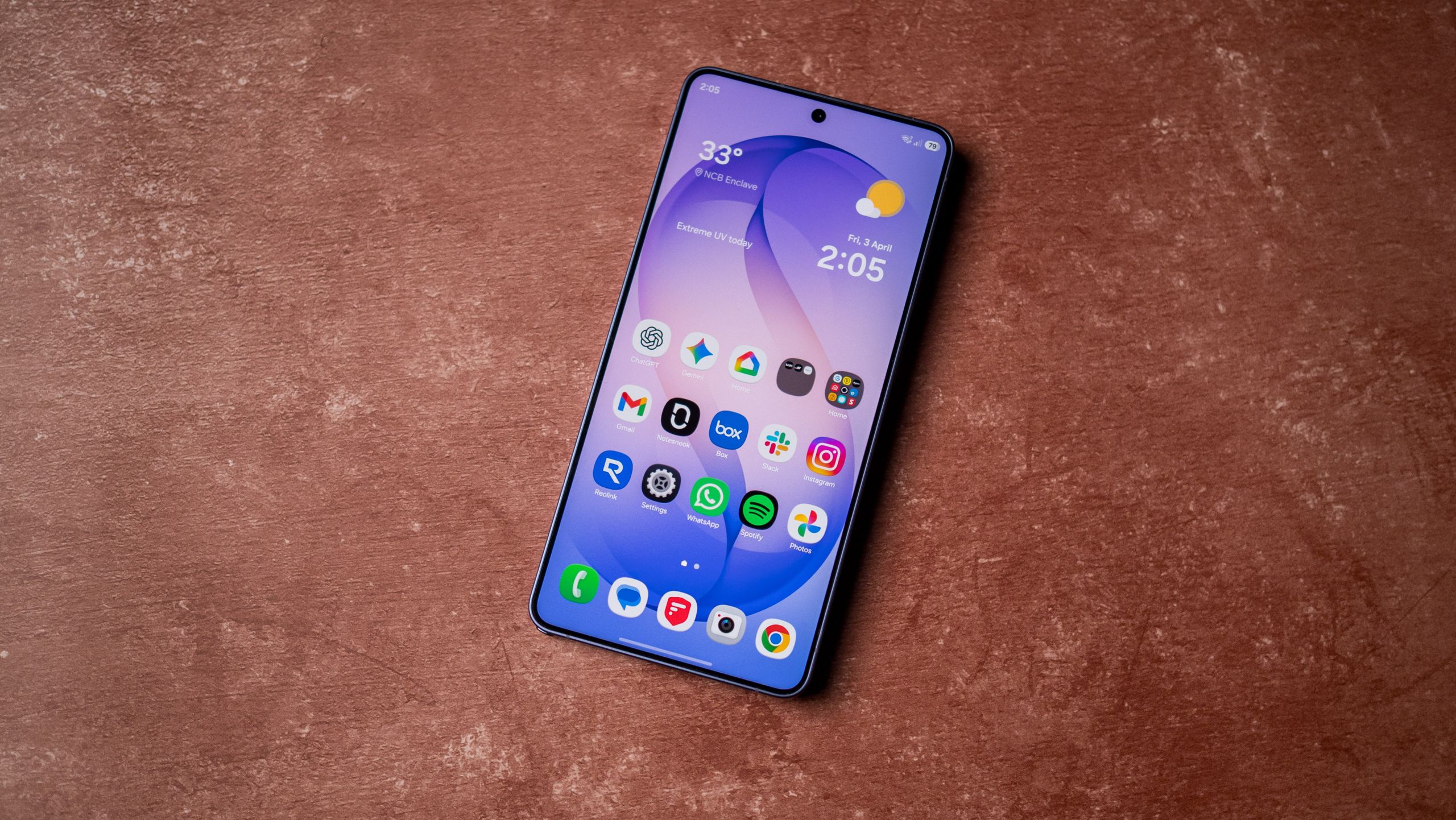
Samsung may deliver Galaxy S26 AI Call Screening and additional AI tools (Audio Eraser, Now Brief, Photo Assist, Agentic AI, Notification Highlights) to the S25 via a future One UI 8.5 update per SamMobile, but an April 3 South Korean report and community-moderator posts claim the features will remain exclusive to the S26. The S26 series is receiving April security patches in India and Europe; commercial impact is uncertain and likely minimal until Samsung issues an official feature/support confirmation.
A vendor-level decision to either backport or withhold high-value AI features from an existing installed base creates a binary outcome that materially alters upgrade economics. If features are withheld, the vendor preserves a short-term hardware ASP premium and upgrade incentive; if backported, the vendor trades marginal hardware revenue for higher engagement and potential services monetization across a much larger addressable base.
From a supply-chain perspective, exclusivity sustains demand for top-tier silicon, sensors and packaging in the near term; democratization of features erodes that differentiation and compresses component mix per unit, shifting incremental value upstream to software and cloud partners. Expect a 3–9 month ripple where component orders either remain elevated (exclusive case) or normalize and capex reallocation favors cloud/AI provider contracts (backport case).
Regulatory and privacy frictions are a non-linear tail risk: any feature that automates call-handling invites scrutiny on consent, intercept and lawful-access grounds, which can delay rollouts by quarters and force hybrid on-device/cloud architectures that change margin pools. Key catalysts to watch over the next 3–12 months are developer/SDK disclosures, carrier integration announcements, and the vendor’s services-revenue cadence commentary — these will adjudicate whether value accrues to hardware, cloud, or platform owners.
For investors the asymmetric payoff comes from positioning around incumbent platform holders and cloud providers rather than handset assemblers alone — short windows of volatility around patch notes and community-moderator statements create entry points. Time horizons should be 6–18 months to capture either the upgrade-cycle pull-forward or the services-monetization lift once decisions are clarified.
AI-powered research, real-time alerts, and portfolio analytics for institutional investors.
Request DemoOverall Sentiment
mixed
Sentiment Score
0.00
