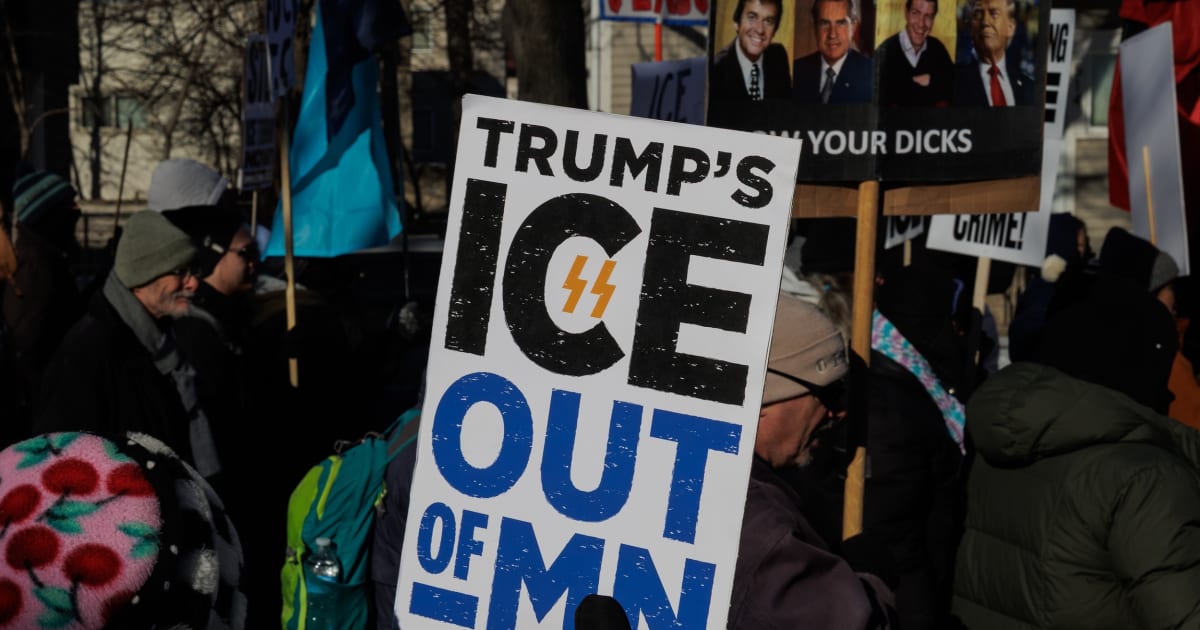
Jim Stolley, the chief counsel for U.S. Immigration and Customs Enforcement in Minnesota, retired after 31 years amid extensive judicial criticism of ICE for failing to comply with court orders. The departure occurs alongside high-profile personnel upheaval across DHS and the Justice Department — including prosecutors removed or resigning over enforcement disputes and deaths tied to Operation Metro Surge — increasing legal and operational uncertainty for federal immigration enforcement.
Market structure: Legal and operational pressure on ICE/DOJ is an immediate negative for firms whose revenue ties to detention and enforcement (notably private prison operators GEO, CXW) — expect contract re-pricing and revenue erosion of 15–30% risk across 6–18 months if courts curb enforcement. Vendors with federal dependency on ICE (data analytics, surveillance) face two-way risk: contract delays reduce near-term billings but could concentrate remaining incumbents’ pricing power if smaller rivals are squeezed.
Risk assessment: Tail scenarios include a court-mandated nationwide injunction (low-probability, high-impact) that could cut detention-related demand >40% in 12 months, or conversely a policy consolidation increasing contracts by 10–20%. Near-term (days–weeks) volatility will be driven by headlines and resignations; material legal rulings or DOJ inspector-general findings in 30–90 days are primary catalysts. Hidden dependencies include state budget stress and municipal bond pressure in border states if federal enforcement patterns shift.
Trade implications: Tactical short exposure to GEO/CXW is the highest-conviction trade; expect IV to rise 20–50% on headline risk, favor 3–6 month put-spread structures to cap cost. Rotate 1–3% of equity into cybersecurity/compliance winners (CRWD, ZS) that benefit from tighter data-control scrutiny; avoid concentration in single-vendor federal contractors (PLTR) until contract review outcomes in 60–120 days.
Contrarian angles: Consensus may overshoot downside on private-prison equities; if federal policy reverts or contractors win indemnities, these names can rebound 30–60% within 12–18 months. Price-action thresholds matter: consider trimming shorts if shares gap down >30% or if a definitive favorable court ruling appears — otherwise maintain sized, time-boxed positions.
AI-powered research, real-time alerts, and portfolio analytics for institutional investors.
Request DemoOverall Sentiment
moderately negative
Sentiment Score
-0.40
Ticker Sentiment
