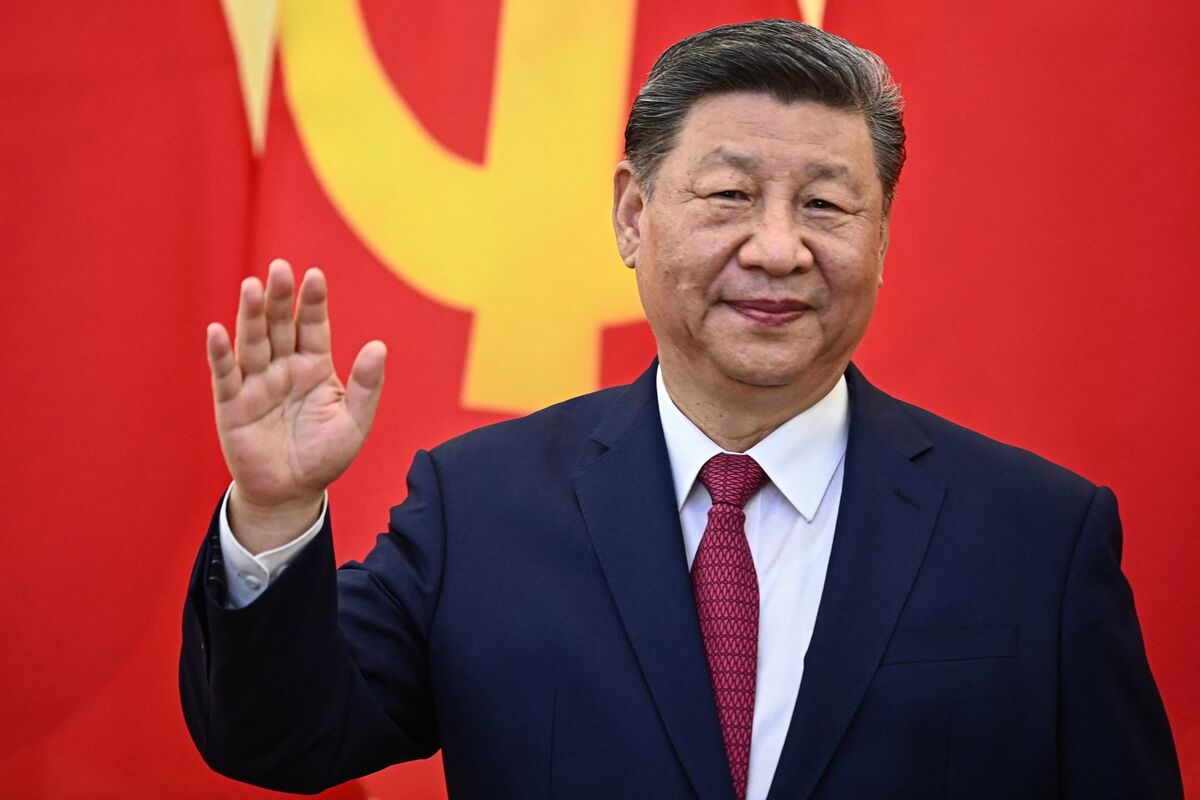
Chinese President Xi Jinping reportedly pressed the Trump administration to officially declare its 'opposition' to Taiwan independence, a significant diplomatic concession sought by Beijing. This push, if successful, would mark a substantial shift in U.S. policy, potentially reshaping U.S.-China relations, geopolitical stability in the Indo-Pacific, and regional market sentiment.
Reports indicate that Chinese President Xi Jinping is pressuring the Trump administration to formally declare its "opposition" to Taiwan independence, a move that would represent a significant departure from decades of U.S. strategic ambiguity. This diplomatic push, if successful, would be a major concession to Beijing and could fundamentally alter the geopolitical landscape in the Indo-Pacific. The development introduces a high degree of uncertainty into U.S.-China relations, which is reflected in the provided signals of mildly negative sentiment (-0.25) and a moderate-to-high market impact score of 0.6. The key takeaway for capital markets is the introduction of a new, binary risk factor: a U.S. concession could temporarily ease bilateral tensions at the cost of long-term regional stability, while a rejection could lead to an immediate escalation. The situation's uncertain tone underscores that market participants must now price in the potential for a significant policy shift with broad implications for regional security and trade.
AI-powered research, real-time alerts, and portfolio analytics for institutional investors.
Request DemoOverall Sentiment
mildly negative
Sentiment Score
-0.25
