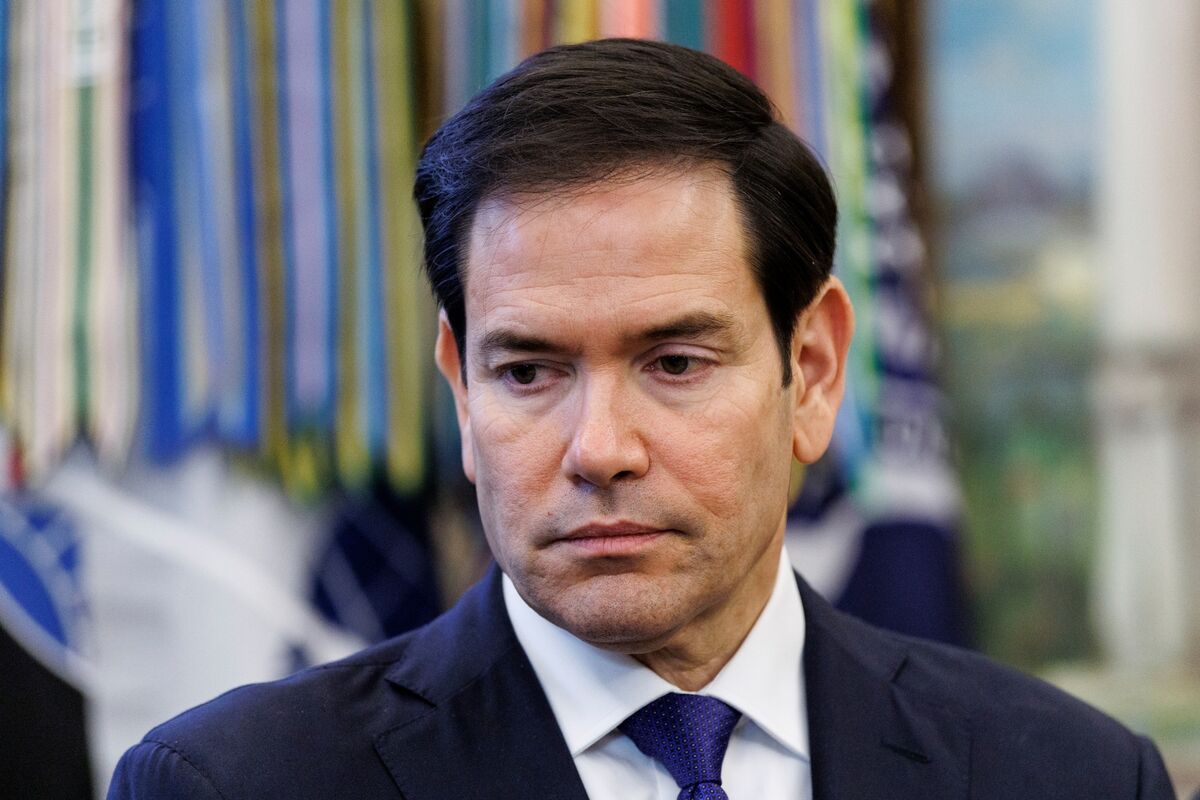
Marco Rubio said in a Fox News interview that he doubts Venezuelan President Nicolás Maduro would honor any deal to halt drug trafficking, arguing Maduro has repeatedly broken commitments. His skepticism complicates prospects for US-Venezuela negotiations and raises political/geopolitical risk around Venezuela, though the comments are unlikely to drive significant direct market moves.
Market structure: Rubio’s public skepticism increases the probability that any US-Venezuela détente (and associated sanctions relief) is delayed or never materializes, keeping Venezuelan oil and asset flows constrained. Immediate beneficiaries are dollar safe-havens (USD, T-bills) and gold; losers are Venezuela-linked sovereign/debt claimants and niche heavy-sour crude suppliers. Expect small upward pressure on Brent of ~+$1–3/bbl over months if talks stall, and wider EM sovereign spreads (Venezuela CDS could re-price +100–300bps if fresh sanctions appear).
Risk assessment: Tail risks include sudden US secondary sanctions on traders/tankers or asset seizures that could spike oil $5–$15/barrel and produce abrupt EM risk-off; low probability but high impact within 0–90 days. Short-term (days–weeks) volatility will be headline-driven; medium-term (3–9 months) effects hinge on formal Treasury/state actions; long-term (12+ months) outcome depends on regime durability and alternate buyers (Russia/Iran/China) stepping in. Hidden dependency: shipping/insurance market (war-risk premia) and downstream refinery feedstock flexibility could amplify price moves.
Trade implications: Position for mild but persistent risk-off while keeping optionality: prefer 1–2% tactical gold exposure and 3-month downside protection on USD EM sovereign debt. Avoid concentrated exposure to Latin America equities/refiners that rely on Venezuelan normalization; favor US utilities/defense defensives if headlines accelerate. Use volatility products and short-dated spreads to limit carry costs—do not build large directional oil positions unless sanctions are announced.
Contrarian angle: The market underestimates persistence of sanctions risk; consensus assumes normalization is likeliest—this is underdone. If no new US action in 60–90 days, risk premium could compress rapidly (Brent down $1–2); be ready to trim hedges. Historical parallels (Iran sanctions cycles) show sanctions/reopening cycles can flip prices by >10% within six months, so maintain flexible, low-cost hedges rather than fixed large directional bets.
AI-powered research, real-time alerts, and portfolio analytics for institutional investors.
Request DemoOverall Sentiment
mildly negative
Sentiment Score
-0.25
