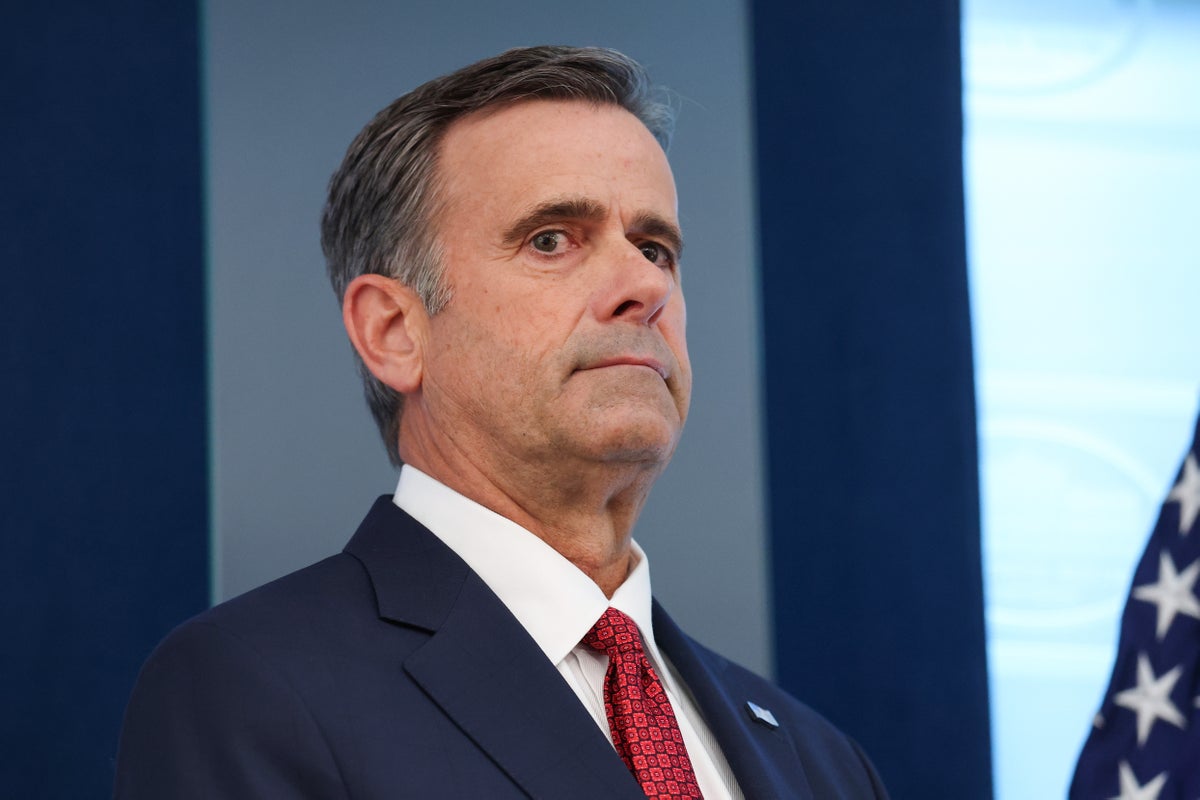
CIA Director John Ratcliffe held rare talks in Havana with Cuban officials on intelligence cooperation, economic stability, and security, signaling a tentative U.S. willingness to engage if Cuba makes fundamental changes. The article highlights ongoing bilateral तनाव over Cuba’s U.S. terrorism designation, fuel blockade, and power shortages, alongside $100 million in proposed humanitarian assistance and satellite internet support. While no immediate military action is expected, the situation remains politically sensitive and could affect energy and sanctions policy.
This is less about Cuba as an investable market and more about Washington creating a narrow negotiating lane around a fragile energy system. The key second-order effect is that the U.S. is signaling a willingness to trade limited humanitarian/technical relief for behavioral concessions, which raises the probability of episodic easing but not a durable normalization. That keeps optionality in play for any asset with exposure to Caribbean logistics, regional shipping, or EM sovereign stress, but the base case remains headline-driven volatility rather than a regime change. The market implication is asymmetric for energy-adjacent exposures: Cuba’s structural fuel scarcity means any incremental access to oil, credit, or power infrastructure can relieve local disruption quickly, but the probability of a hard policy turn is capped by domestic U.S. politics and sanctions enforcement. The more important read-through is to neighboring suppliers and intermediaries—if enforcement on Cuba tightens, small Atlantic product flows and bunker demand can get kinked; if it loosens, the beneficiaries are likely niche traders and regional energy service names rather than broad EM indices. The contrarian point is that the current setup may actually reduce tail-risk premium. By re-opening intelligence-linked contact, both sides are creating a channel for de-escalation around migration, security, and grid stability, which lowers the odds of a near-term crisis response. Over 1-3 months, that makes the biggest move a disappointment trade: if no sanctions relief materializes, expectations for a rapid policy thaw should bleed out and headline sensitivity fades. If talks progress, the upside is concentrated in sentiment, not cash flows, so follow-through in equities should be limited and likely confined to short-duration tactical trades.
AI-powered research, real-time alerts, and portfolio analytics for institutional investors.
Overall Sentiment
mildly negative
Sentiment Score
-0.15
Ticker Sentiment
