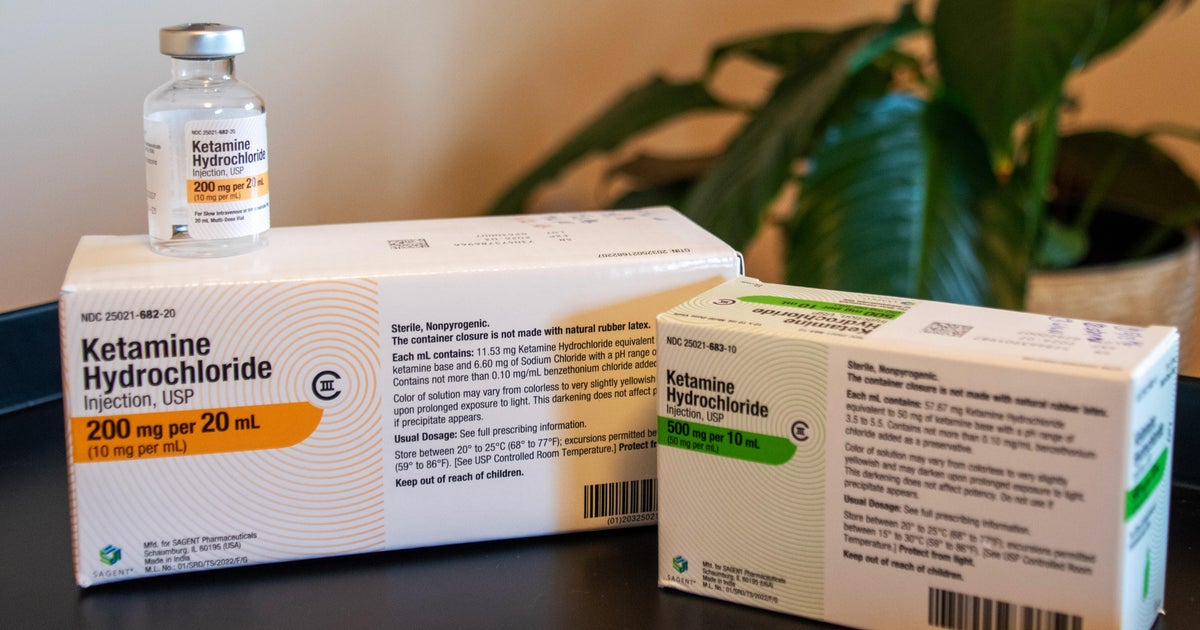
Ketamine-assisted psychotherapy is gaining traction as an emerging treatment for first responders grappling with depression and PTSD, a demographic facing high rates of trauma. Despite anecdotal success and rapid growth in clinics, the market remains largely unregulated, with evolving evidence on efficacy and safety, and a lack of standardized federal guidelines for dosing and administration. Significant financial barriers exist due to high treatment costs, often exceeding $1,000 per session, and limited insurance coverage, presenting a complex landscape for investors interested in this nascent mental health sector characterized by both high potential and considerable regulatory and access challenges.
Ketamine-assisted psychotherapy is emerging as a treatment for severe depression and PTSD, particularly for first responders facing high trauma exposure. While anecdotal evidence, such as Sgt. Paige Shell's improved well-being, suggests therapeutic potential, clinical practice is currently ahead of comprehensive scientific evidence. This indicates a nascent but potentially high-demand market segment within mental healthcare.
The regulatory environment remains a significant concern, with state oversight varying and federal guidelines lacking specifics on dosing, administration, and safety protocols. This regulatory vacuum has led to the proliferation of over 1,000 clinics and at-home treatments, prompting an FDA warning, highlighting the fragmented and largely unregulated nature of this market.
Despite its potential, ketamine-assisted psychotherapy faces substantial financial barriers, with sessions costing over $1,000 for IV administration and limited insurance coverage. This high cost, coupled with the stigma associated with both mental health treatment and ketamine, creates significant access challenges for the target population.
The mixed sentiment and cautious tone reflect the dual nature of this sector's investment profile: high potential for addressing unmet mental health needs versus considerable regulatory uncertainty, evolving efficacy data, and significant access hurdles. Investors should note the lack of specific federal regulation and high out-of-pocket costs as key factors influencing market scalability.
AI-powered research, real-time alerts, and portfolio analytics for institutional investors.
Request DemoOverall Sentiment
mixed
Sentiment Score
-0.05
