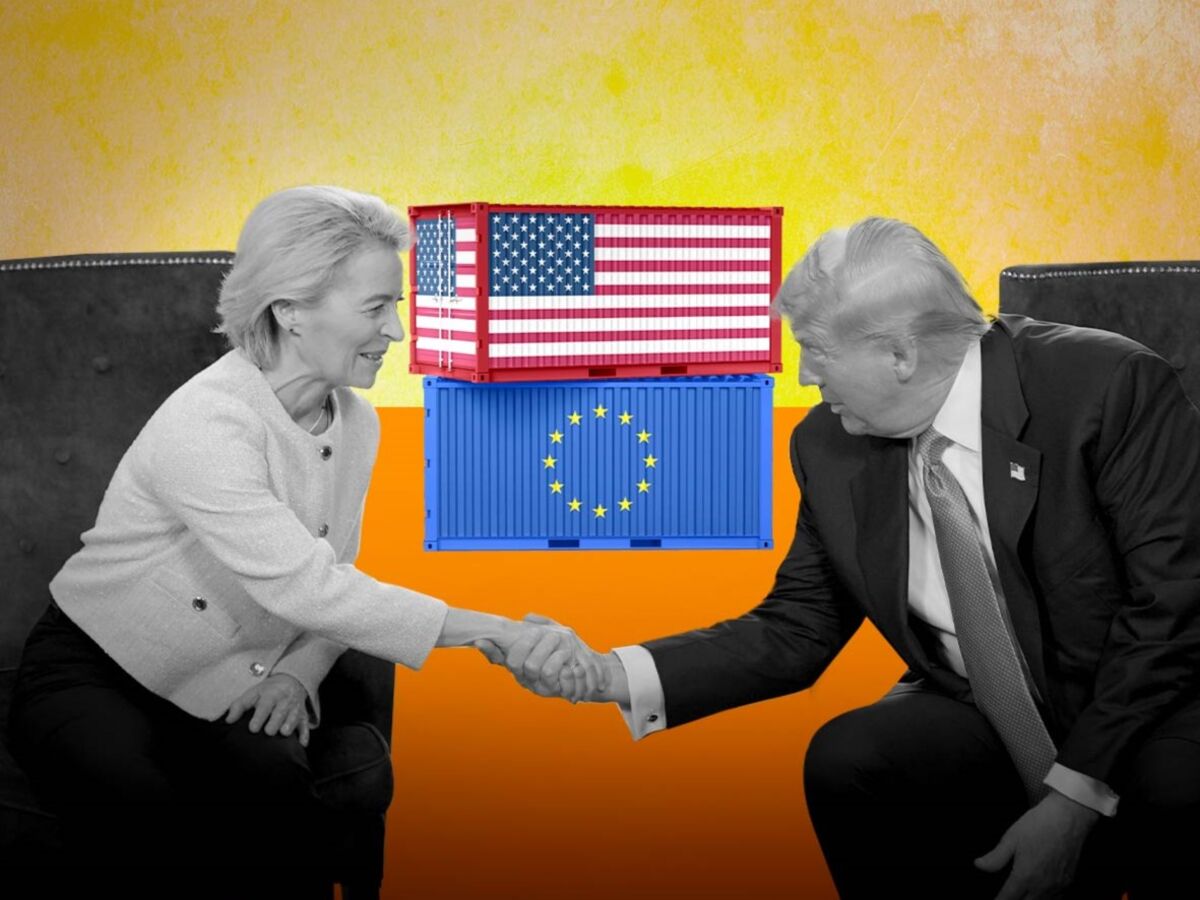
The United States and European Union have reached an agreement to implement a 15% tariff on most EU exports to the US, including automobiles, a rate lower than previously threatened. This resolution, finalized just before a key deadline, signals a de-escalation of transatlantic trade tensions. Separately, the US has extended its delay in implementing measures against China for an additional 90 days.
A significant de-escalation in transatlantic trade tensions has occurred, with the US and European Union agreeing to a 15% tariff on most EU goods, including cars. This rate is notably lower than what was previously threatened, removing a key uncertainty for the market ahead of a critical deadline. The resolution provides a clearer, albeit still costly, operating environment for European exporters, particularly within the automotive industry. This development, coupled with a reported 90-day delay in the implementation of US measures against China, suggests a near-term reduction in global trade policy risk. While the China situation remains a temporary reprieve, the combination of these events has a moderately positive market impact, likely easing pressure on companies with extensive international supply chains. A secondary development is China's initiative to launch an international AI organization, signaling its long-term strategic ambitions in the technology sector, separate from the immediate trade negotiations.
AI-powered research, real-time alerts, and portfolio analytics for institutional investors.
Request DemoOverall Sentiment
moderately positive
Sentiment Score
0.50
