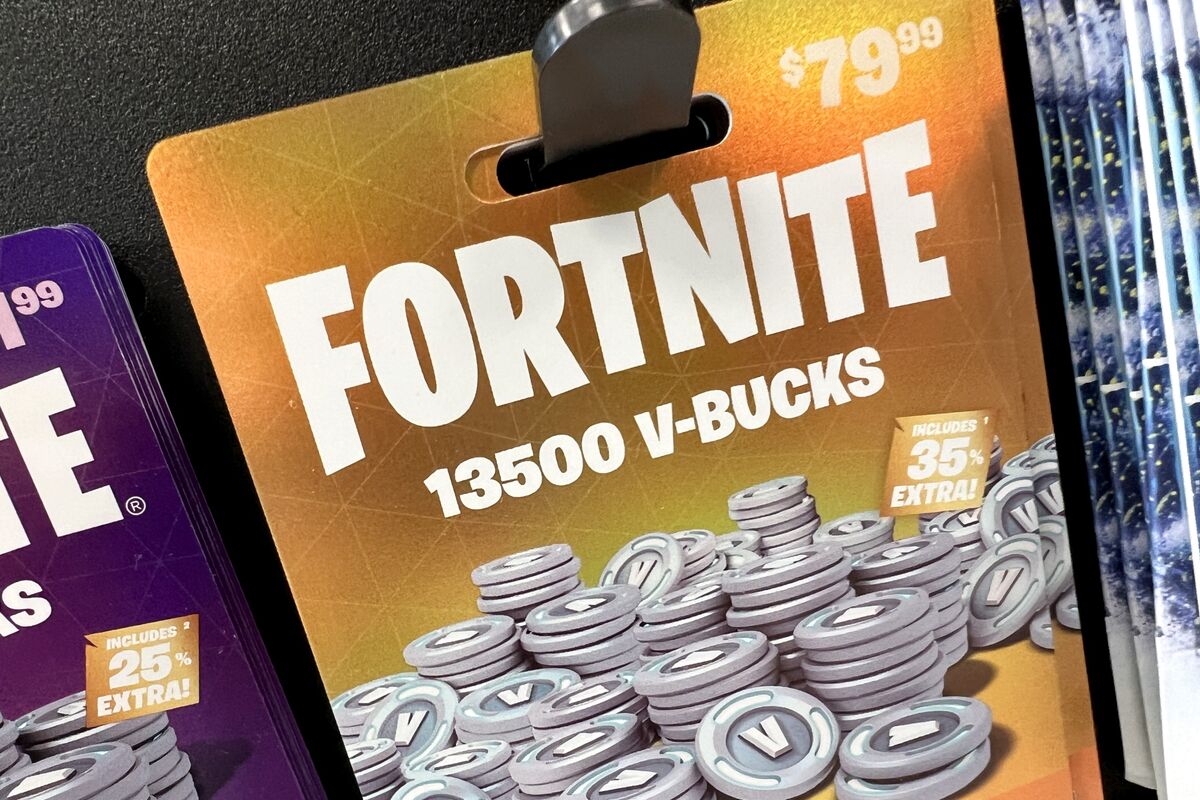
Epic Games is cutting about 1,000 jobs and has identified over $500 million of cost savings across contracting, marketing and open roles to stabilize the business. The moves follow a downturn in engagement with Fortnite and management saying the company is "spending significantly more than we’re making," prompting major cuts to preserve funding and cash runway.
Winners and losers will split along two axes: platform/share-of-wallet and vendor exposure. Publishers with diversified live-service franchises (e.g., TTWO, EA) are positioned to capture marginal spend as a large global live-service title contracts, because player time freed from one title flows quickly to the next in the same cohort; I expect measurable uplift in weekly active users (WAU) and microtransaction ARPU for competing live-service hits within 3–9 months. Conversely, specialist suppliers (live‑ops agencies, event producers, localization/test vendors) will see revenue volatility concentrated in the next 1–2 quarters; small-cap vendors with >20% revenue to a single major live-ops client are highest risk.
Key catalysts and tail risks are asymmetric and time-staggered. Near term (days–weeks) the market will reprice discretionary vendor revenue and marketing budgets; watch upcoming quarterly guides from vendor names and developer job postings as leading indicators. Medium term (3–12 months) a surprise content drop, an external capital infusion (e.g., large strategic investor), or a favorable app-store/antitrust outcome could reverse engagement declines — these are credible swing factors that would materially revalue Epic’s optionality. Long-term (12–36 months) the bigger structural variable is engine and store positioning: any aggressive licensing push from Epic for Unreal could redistribute dev economics and pressure Unity’s pricing power.
Consensus is underweight the strategic optionality created by forced cost discipline. The defensive narrative (demand collapse) is partly priced, but cost cuts buy time for new product cycles and licensing plays that can re-monetize the platform at higher margins. That makes asymmetric, event-driven trades — capture near-term vendor downside while keeping optionality to flip into recovery — the preferred tactical posture.
AI-powered research, real-time alerts, and portfolio analytics for institutional investors.
Request DemoOverall Sentiment
strongly negative
Sentiment Score
-0.65
