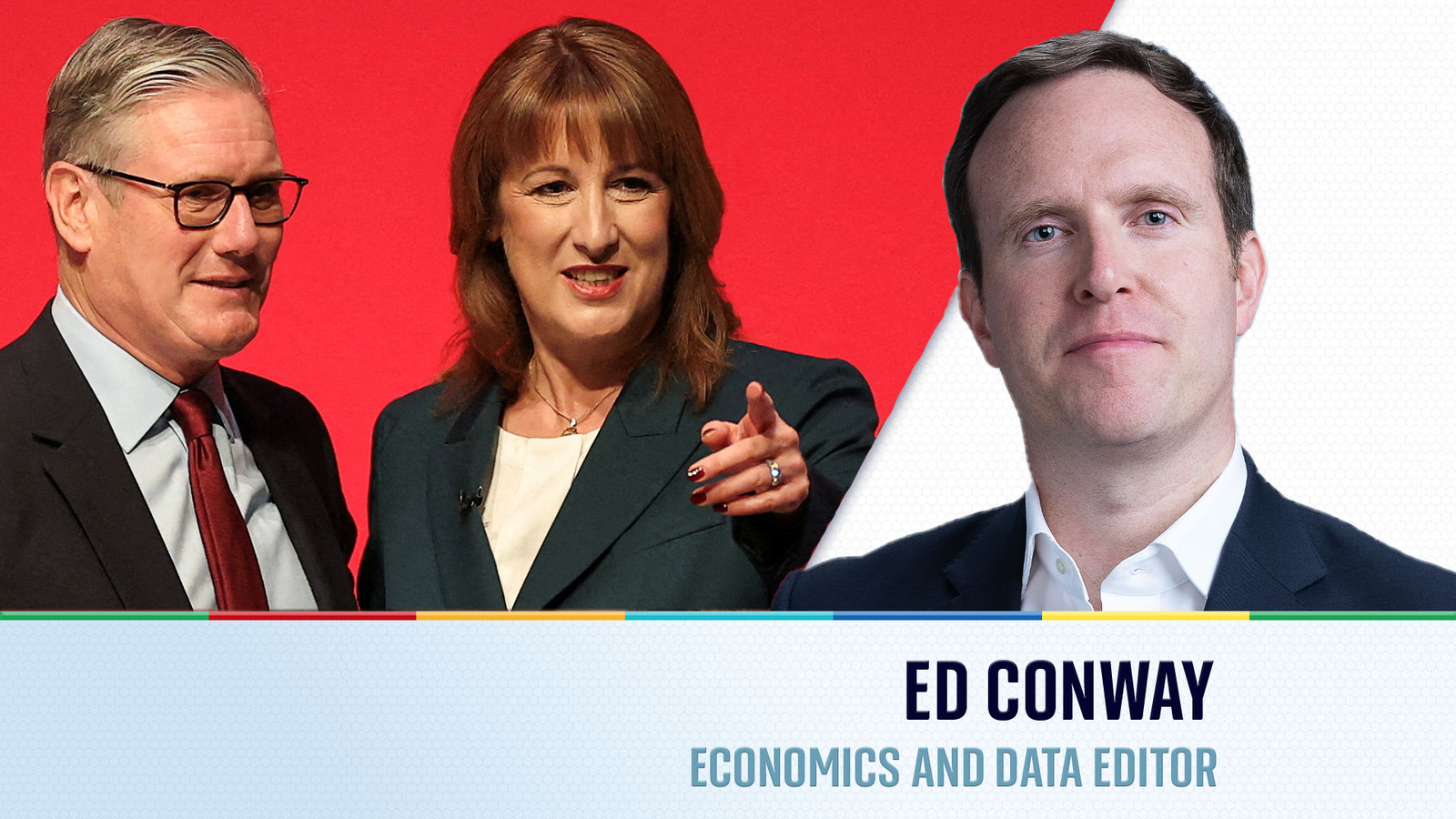
The budget’s tax rises were framed by ministers around an OBR productivity review said to create a £16bn hole, but the OBR’s net effect after higher wage inflation and other offsets was only about £5–6bn, short of the chancellor’s £9.9bn headroom. The decision to raise taxes instead reflected policy choices – U‑turns on planned welfare cuts, scrapping the two‑child benefit cap, and an explicit move to boost fiscal headroom to over £20bn – and the article argues the prime minister’s focus on the £16bn figure was misleading.
Market structure: The budget manoeuvre (tax rises to push fiscal “headroom” >£20bn) is a mild fiscal consolidation that reduces near‑term gilt supply pressure and should be structurally supportive for long-dated gilts and sterling over quarters. Winners: sovereign creditors, defensive sectors (utilities, consumer staples, healthcare) and UK banks (lower sovereign credit risk); losers: consumer discretionary, leisure and lower‑income consumer finance lenders because higher taxes = lower disposable income. Expect 10y gilt yield compression potential of ~20–50bp if markets price sustained consolidation within 6–12 months.
Risk assessment: Tail risks include a political shock (snap election or credibility collapse) that re‑opens a fiscal premium and could widen 10y yields +75–150bp within days; a ratings review within 3–12 months is low‑probability but high‑impact. Hidden dependencies: efficacy depends on growth — stronger wage inflation or BoE tightening could negate deficit gains and lift yields. Key catalysts: OBR updates (next 30–90 days), BoE minutes, and UK polling/ministerial resignations.
Trade implications: Tactical allocations: favor long duration UK sovereign exposure and defensive FTSE segments for 3–12 months, while trimming cyclicals and discretionary retail. Use GBP options to express short‑term political risk (buy 1–3 month put spreads) while holding longer-dated long gilt exposure. Relative value: long UK utilities/consumer staples vs short FTSE retail/leisure names; expect relative outperformance of 3–8% over 3–9 months.
Contrarian angles: Consensus may underprice political credibility risk — markets could rally once reality (net £5–6bn hit, not £16bn) is absorbed, making short-term yields vulnerable to a squeeze. Reaction could be overdone in gilts initially (fast rally) and then reverse if growth disappoints; prefer staggered entry (scale into 2–4 tranches over 4–8 weeks). Historical parallels: 2010 UK consolidation rallies then stalls; use that cadence as guide for monitoring.
AI-powered research, real-time alerts, and portfolio analytics for institutional investors.
Request DemoOverall Sentiment
moderately negative
Sentiment Score
-0.30
