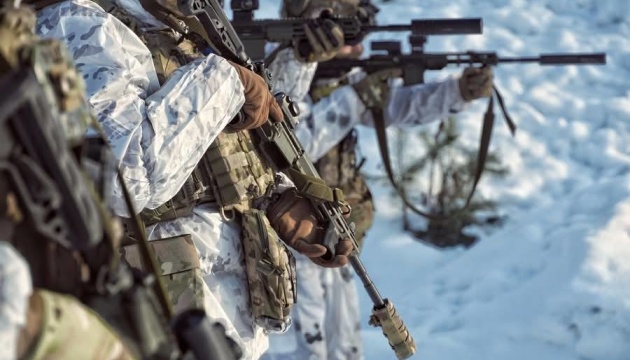
The General Staff reported 123 clashes across the front since dawn on Feb. 8, with intense activity in Pokrovsk (39 Russian attempts, 31 attacks repelled), Kupiansk (13 clashes), Kostiantynivka (22 attacks) and Lyman (15 attacks repelled). Russian forces conducted artillery strikes from Russian territory and are reportedly concentrating manpower and heavy equipment in southern Pokrovsk, while Ukrainian forces continue systematic strikes and repelled multiple attacks. Persistent frontline kinetic activity sustains elevated geopolitical risk for regional stability and could continue to support defense exposure and raise volatility in commodity and regional asset markets.
Market-structure: Persistent Russian attacks and concentrated fighting in Pokrovsk raise near-term demand for munitions, ISR, logistics and air-defense. Expect defense prime margins to firm for 6–12 months as Western replenishment cycles accelerate; map 2–4% annual revenue upside for peers with active Ukrainian contracts (RTX, LMT, GD). Civilian sectors tied to travel and Ukrainian supply chains (airlines, grain exporters) face 3–15% EPS downside risk in next 3–6 months.
Risk assessment: Tail risks include rapid escalation prompting energy embargoes or NATO direct involvement (low-probability, high-impact) which could lift Brent $10–$30/bbl in weeks and spike volatility index (VIX) >30. Near-term (days–weeks) expect tactical headline-driven jumps; medium-term (3–12 months) outcomes hinge on Western aid votes and spring offensive timing. Hidden dependency: defense production is constrained by specific components (chipsets, specialized explosives) with 6–9 month lead times — bottlenecks can delay revenue recognition.
Trade implications: Favor overweight defense (RTX, LMT, GD) and energy (XLE, short-dated Brent calls) while underweight European airlines/travel (AAL, IAG) and EM equities sensitive to Ukraine exposure. Use options to buy protection: 3-month call spreads on RTX sized 1–2% NAV and 1–3 month Brent call calendars to capture upside with limited carry. Rotate into duration and gold (TLT, GLD) as 1–3 week hedges on major escalation.
Contrarian angles: Consensus bid-up of large primes may be overdone vs mid-cap specialized suppliers (HEICO/HEI — HEI), which can reprice higher when production orders flow; consider picking small-cap ordnance/avionics names up 15–30% off recent lows. The market underestimates how a logistics-focused Russian push in Pokrovsk could force prolonged attritional fighting — favor serviceable, cash-flow-positive defense suppliers over pre-revenue disruptors.
AI-powered research, real-time alerts, and portfolio analytics for institutional investors.
Request DemoOverall Sentiment
moderately negative
Sentiment Score
-0.40
