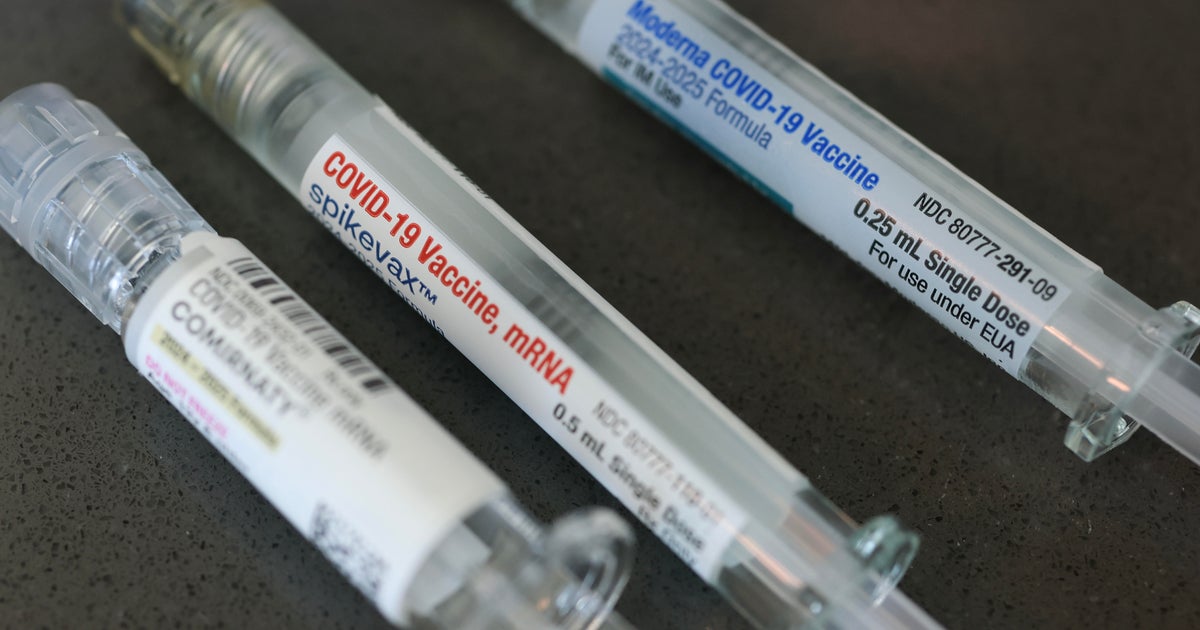
An FDA vaccine-division memo from director Dr. Vinay Prasad asserted that a review “found that at least 10 children have died after and because of receiving COVID-19 vaccination,” attributing deaths to myocarditis but providing no supporting data, ages, comorbidities or peer-reviewed findings. Regulators under HHS Secretary Robert F. Kennedy Jr. have overruled career staff on COVID-19 shot approvals, and CDC guidance and its advisory panel have been reshaped, creating regulatory and reputational uncertainty for vaccine makers; the FDA noted myocarditis/pericarditis warnings were expanded in April 2025 and cited a rate of roughly 8 cases per million doses for people under 65. Investors should view this as a reputational/regulatory risk driver for COVID-19 vaccine manufacturers rather than an immediate market-moving earnings event.
Market structure: Political/regulatory noise raises short-term demand shock risk for COVID-vaccine incumbents (Pfizer PFE, Moderna MRNA, Novavax NVAX). Expect outpatient pediatric uptake to fluctuate ±10–30% seasonally; market-share shifts favor larger diversified pharmas (PFE) with non-COVID revenue cushions while MRNA/NVAX bear concentrated demand risk and higher implied volatility. Cross-asset: bond markets immaterially affected but short-dated high-beta biotech options IV should rise 20–60% on headlines; USD/FX moves negligible.
Risk assessment: Tail risks include regulatory restrictions, expanded black-box warnings or litigation driving 20–50% revenue hits for narrow-product firms; probability medium (15–25%) over 6–12 months given politicized FDA. Immediate (days) = volatility spikes; short-term (weeks–months) = sales guidance revisions; long-term (quarters–years) = durable demand decline if public confidence erodes. Hidden dependency: ACIP composition and state-level guidance can produce asymmetric regional adoption, amplifying revenue concentration effects.
Trade implications: Favor credit/stock selection over blanket sector bets. Tactical plays: buy protection or put spreads on MRNA/NVAX into 3–6 month expiries; overweight PFE via small long equity or call spread (hedged). Pair trade: long PFE vs short MRNA to capture dispersion while limiting system risk. Entry window: act on 24–72 hour post-headline repricing; exit on concrete regulatory release (FDA data or ACIP vote) within 30–90 days.
Contrarian angles: Consensus assumes persistent demand destruction; missing is that unsubstantiated claims often reverse once data are published — historical vaccine scares show 30–80% price rebounds in 1–3 months after clarification. If FDA cannot document cases in 30–60 days, expect short-squeeze rallies in beaten-down names; volatility-selling strategies (credit spreads) may become attractive after IV decompresses.
AI-powered research, real-time alerts, and portfolio analytics for institutional investors.
Request DemoOverall Sentiment
mildly negative
Sentiment Score
-0.30
Ticker Sentiment
