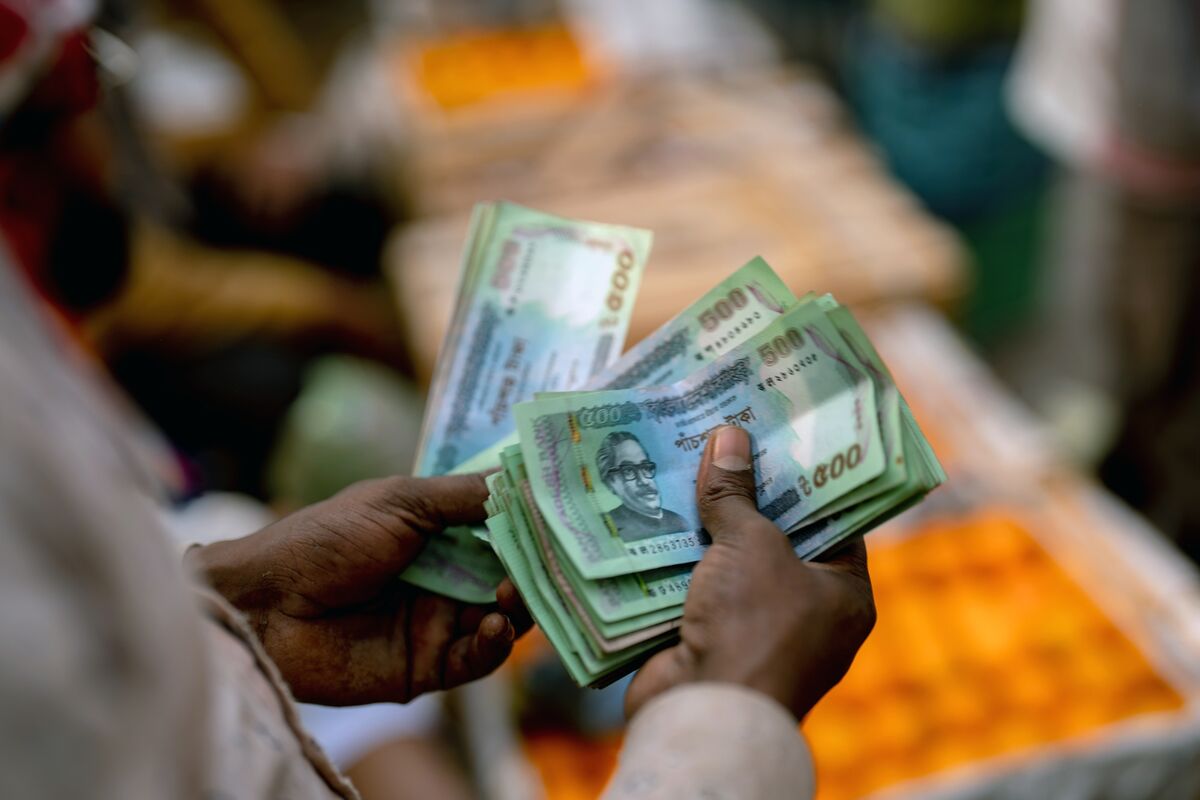
BMI, a unit of Fitch Solutions, forecasts the Bangladesh taka to depreciate to an average of 125 per dollar, extending its decline due to anticipated political instability following elections and the impact of increased US tariffs. This projection contrasts with the 2024 average of 115.35 and the recent close of 121.86, signaling potential currency headwinds for Bangladesh.
BMI, a unit of Fitch Solutions, projects a continued depreciation of the Bangladesh taka, forecasting an average exchange rate of 125 per US dollar for the current year. This represents a notable decline from the 2024 average of 115.35 and the recent closing rate of 121.86 per dollar, as reported by Bloomberg. The anticipated weakening of the currency is attributed by BMI's senior country risk analyst, Sayaka Shiba, to two primary factors: potential political instability within Bangladesh, particularly in the context of elections, and the adverse impact of increased US tariffs. These elements contribute to a strongly negative outlook for the taka, signaling persistent currency headwinds for the South Asian nation's economy and reflecting a generally bearish sentiment towards the currency's near-term performance.
AI-powered research, real-time alerts, and portfolio analytics for institutional investors.
Request DemoOverall Sentiment
strongly negative
Sentiment Score
-0.70
