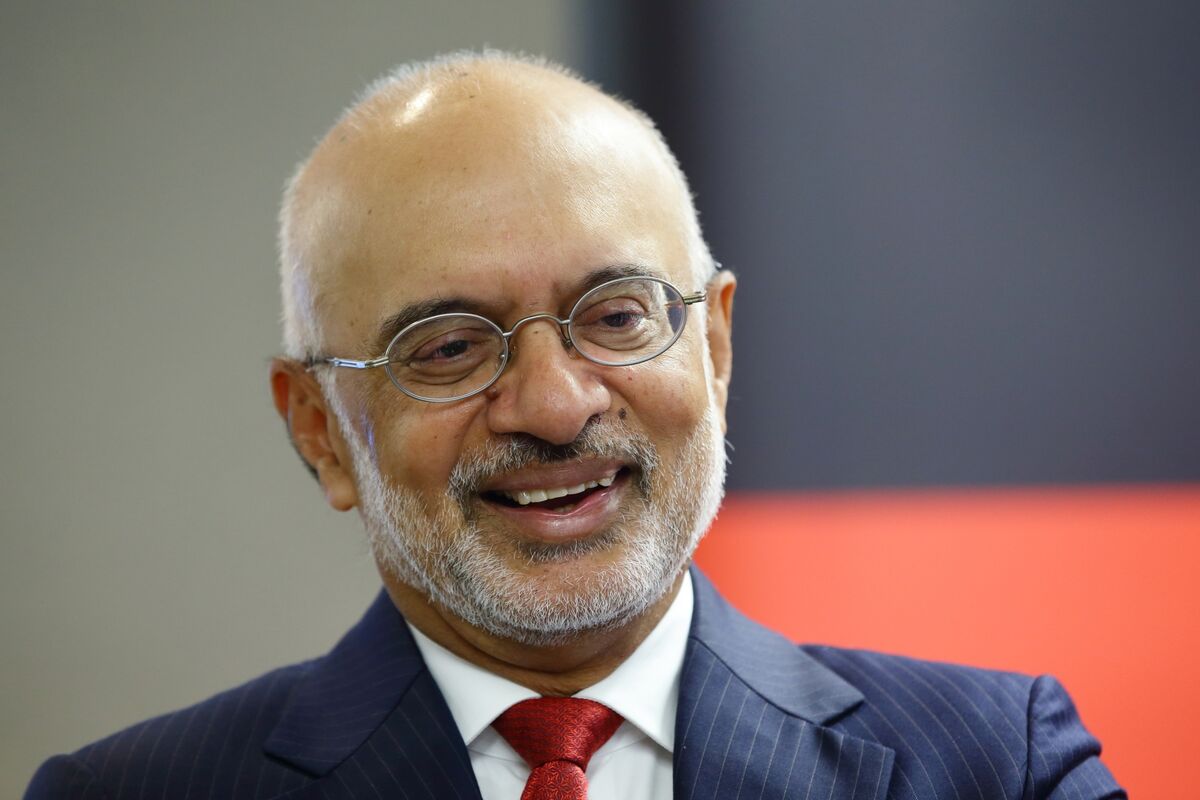
Piyush Gupta, the former CEO of DBS Group who led more than 15 years of profit and share-price growth, will become chairman of Temasek International’s India operations effective Dec. 1 in a non-executive role focused on investment strategy. The appointment brings seasoned banking and Asia-investment experience to Temasek’s India platform and could strengthen deal sourcing and portfolio oversight, though it is unlikely to materially move markets in the near term.
Market structure: Temasek hiring ex-DBS CEO Piyush Gupta is a catalytic signal that large sovereign/private investors will allocate more capital to India’s financials, fintech, infra and late-stage private markets. Expect upward pressure on prices — public India equities and private deal entry multiples could rerate by ~10–20% over 12–24 months as deal competition increases, while smaller local PE/VC managers face margin compression. Cross-asset: modest INR appreciation (roughly 2–5%), tighter 10y Indian sovereign spreads and incremental EM FX inflows; SGD and some SEA bank funding flows could re-route into INR assets.
Risk assessment: Tail risks include an India regulatory clampdown on strategic foreign acquisitions or enhanced FDI scrutiny (low-probability ~10% in 12 months but high-impact), reputational conflicts if Gupta’s network creates perceived preferential deal access, and geopolitically driven capital restrictions. Time horizons: immediate (days) — negligible public market moves; short-term (3–6 months) — deal announcements and portfolio reweights; long-term (12–36 months) — sustained valuation premium and higher asset prices. Hidden dependency: Temasek’s entry raises competition for pre-IPO rounds, accelerating price discovery and reducing future IRRs for co-investors.
Trade implications: Direct plays: overweight India via focused ETFs and select large-cap ADRs to capture rerating; consider INDA/EPI and high-quality banks/tech (IBN, INFY) for 6–12 month holds. Pair/derivative ideas: long INDA / short broad EM (EEM) to express India outperformance; use 3–6 month call spreads on INDA to cap premium if volatility spikes around big deal news. Sector rotation: increase weight to Indian financials, fintech infrastructure and private-equity access vehicles; reduce exposure to SEA mid-cap growth funds likely to see deal-by-deal competition.
Contrarian angles: Consensus understates regulatory/reputational tail risk and overstates immediate public-market impact — biggest price moves will be in private markets where capital is discrete. Reaction risk: public mid-cap India names may be overbought fast; historical parallels (large sovereign entrants in other EMs) show initial valuations spike then mean-revert after 12–24 months. Unintended consequence: local managers could underperform as buyout competition inflates entry prices — avoid high-fee small-cap India funds until 12–18 month visibility improves.
AI-powered research, real-time alerts, and portfolio analytics for institutional investors.
Request DemoOverall Sentiment
mildly positive
Sentiment Score
0.25
