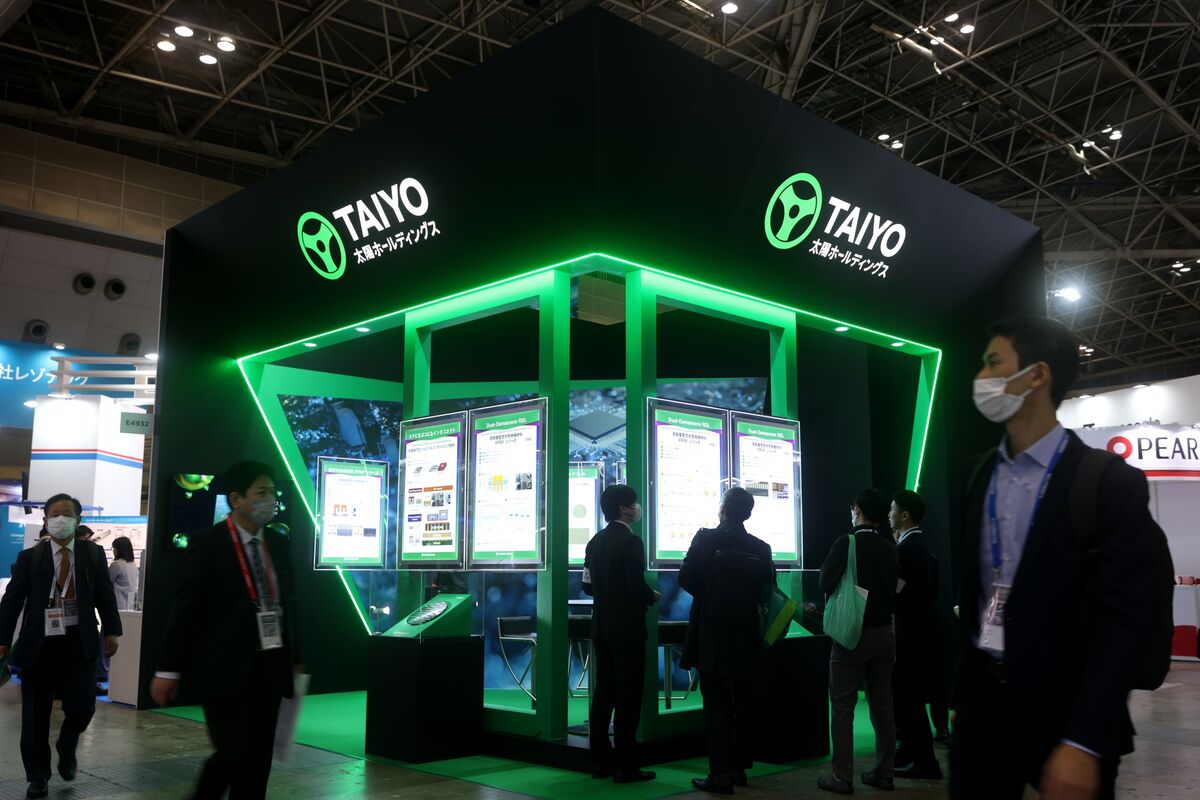
KKR is planning a tender offer to take Taiyo Holdings private in a deal valuing the company at about ¥500 billion (~$3.2B), offering ¥4,750 per share — a 117% premium to the six-month average unaffected closing price as of May 27. Taiyo shares traded at ¥4,700 (-5.7%), the lowest since Dec. 22, after reports of the bidding process; the bid materially revalues Taiyo equity and should significantly affect its shareholders and takeover dynamics.
This deal is a catalytic signal that private capital is re-accelerating into Japan’s small/mid-cap universe after a multi-year gap, which will compress investable float and create transient dislocations between index trackers and available shares. Expect passive funds to be forced sellers around index rebalancings (TOPIX/Nikkei windows) while remaining free-float names with similar sector/profit profiles can rerate 10-30% over 3-12 months as buyout comps and precedent multiples are re-anchored by actual deal marks.
Debt markets are the transmission mechanism: banks, syndicated loan desks and CLO warehouses will see incremental origination and fee pools, but rising global funding rates are an under-appreciated lever — a 100bp increase in LBO funding costs can shave ~3-5ppt off IRRs for typical mid-market deals, materially changing what gets bid. This makes the credit curve and JPY funding spreads the primary near-term catalyst for whether deal activity scales beyond headline transactions.
Primary tail-risks are a failed tender or a competing bid that forces a rerun of the process; both can flip sentiment in days. Over 6-18 months watch for currency swings (JPY appreciation magnifies USD sponsor cost), regulatory scrutiny on foreign takeovers, and macro-driven tightening that can collapse arbitrage spreads and reset PE underwriting assumptions.
For active managers, the highest-probability edge is exploiting temporary passive selling and financing windows: build directional exposure to M&A beneficiaries and hedge macro-funded execution risk with duration-light option structures or bank-lending hedges. Monitor index rebalancing calendars and loan market spreads as realtime trade triggers.
AI-powered research, real-time alerts, and portfolio analytics for institutional investors.
Overall Sentiment
strongly positive
Sentiment Score
0.60
Ticker Sentiment
