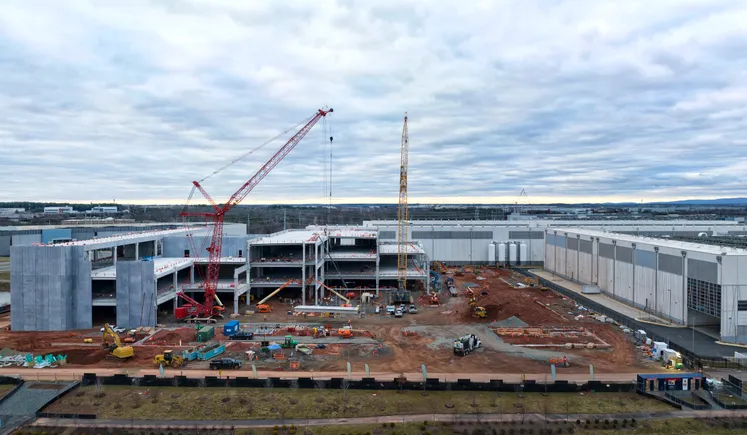
A FERC technical conference highlighted concerns over PJM's capacity market, particularly the impact of surging data center load growth, which contributed to a significant increase in capacity costs. Speakers debated potential solutions, including requiring data centers to procure new generation and increasing transparency around data center development, while some called for broader reforms to PJM's market structure and greater state regulatory involvement. Despite concerns, some industry participants suggested the capacity market is generally functioning but requires adjustments to address emerging resource adequacy issues.
The Federal Energy Regulatory Commission's recent technical conference highlighted significant strains within the PJM Interconnection's capacity market, primarily driven by an unprecedented surge in forecast data center load growth. This surge was a key factor in the dramatic escalation of total capacity costs in PJM's last auction, which jumped to $14.7 billion from $2.2 billion, with PJM's market monitor, Monitoring Analytics, attributing a $9.4 billion increase in capacity market revenue to forecast data center load growth. Consequently, PJM anticipates its summer and winter peak load will grow by 3.1% and 3.8% respectively on average annually through 2035, a substantial upward revision from the previous year's forecast of 1.6% and 1.9%. This situation has led to direct consumer impacts, such as an approximate $15 monthly bill increase for PPL Electric’s residential customers in Pennsylvania, and has prompted calls for reform. Proposals include requiring data centers to procure new generation, as suggested by Monitoring Analytics president Joseph Bowring, and allowing utilities like FirstEnergy (FE) and PPL Corporation (PPL) to build generation in deregulated states, a move that PPL's Wendy Stark noted would require legislative changes. FirstEnergy's CEO Brian Tierney voiced strong criticism, stating the current market isn't delivering new capacity despite billions in customer costs. While some independent power producers are responding to higher prices by delaying plant retirements and proposing new units, concerns persist regarding regulatory stability and the lengthy five to seven-year timeline for new power plant construction. The overall sentiment surrounding these developments is "strongly negative" with a "cautious" tone, reflecting deep uncertainty and the potential for significant market impact as stakeholders debate solutions, with states also seeking a more influential role in PJM's decision-making processes ahead of the next capacity auction set for July 9.
AI-powered research, real-time alerts, and portfolio analytics for institutional investors.
Request DemoOverall Sentiment
strongly negative
Sentiment Score
-0.65
Ticker Sentiment
