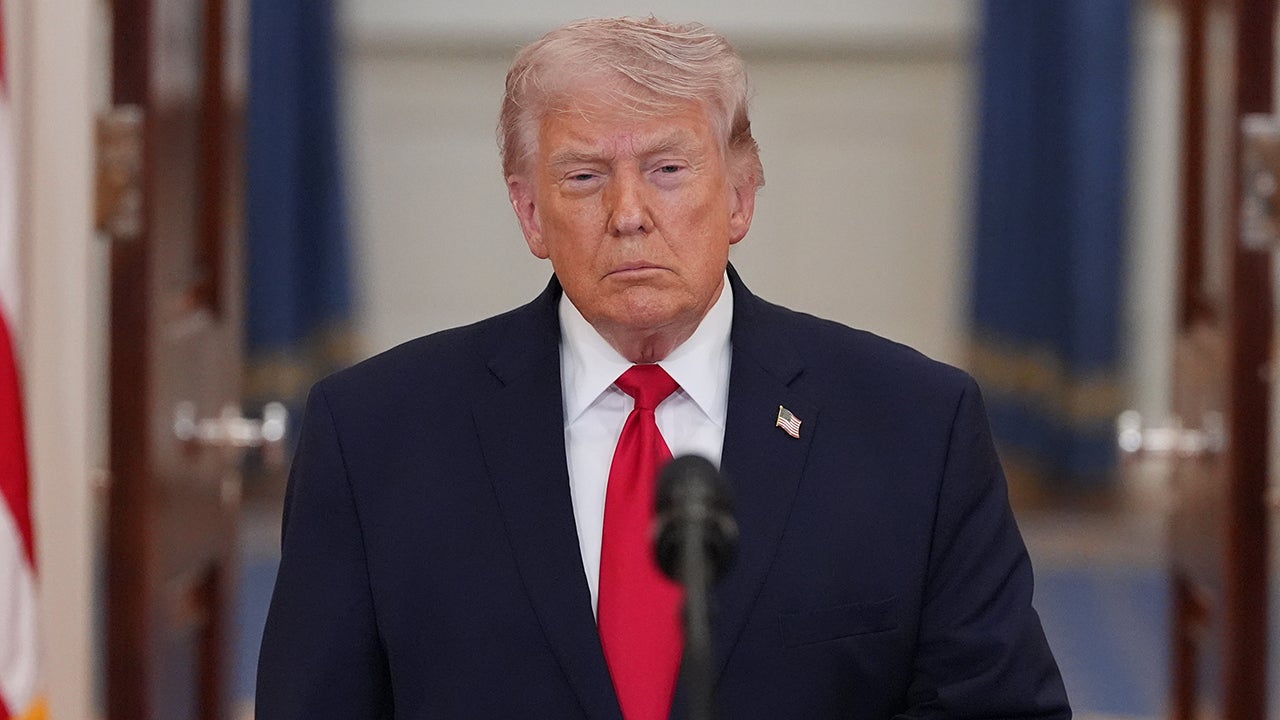
A U.S.–Iran two-week ceasefire was announced, after a 38-day Operation Epic Fury in which U.S. forces say they struck 13,000+ targets; the truce is described as fragile. The Strait of Hormuz has begun to reopen with two bulk carriers transiting and the waterway normally carries ~20 million barrels/day, easing an immediate oil choke-point risk, but regional attacks persist (Saudi Arabia reported intercepting 9 drones; Kuwait intercepted 28). The U.S. will maintain forces in the region while pursuing negotiations (including nuclear material removal and talks on tariffs/sanctions relief), leaving energy and regional risk still market-sensitive.
The market should treat the headline truce as a volatility-compression event that re-prices two distinct buckets: seaborne logistics/insurance and forward reconstruction optionality. Shipping and marine insurance rates often mean-revert within days-to-weeks once choke points clear, removing a risk premium that had been embedded into tanker dayrates and freight-forwarded fuel spreads. Integrated energy producers capture the first-order benefit of normalized seaborne throughput through margin stability and easier refining crack management, while smaller tanker owners and spot-dependent traders are structurally exposed to a rapid unwind of elevated rates.
Defense and specialized subsuppliers are in a binary regime for the next few quarters: if the pause endures and negotiations progress, backlog absorption and surge pricing will fade, pressuring near-term revenue visibility; if it breaks down, re-mobilization will re-intensify procurement and munitions offtake almost immediately. Supply-chain secondaries include port operators, bunkering services and premium logistics providers — these see quicker normalization than heavy-equipment manufacturers, which need months to re-rate on reconstruction capex.
Tail risks are asymmetric and time-dependent: a durable diplomatic settlement within 3–6 months unlocks multi-year reconstruction revenue but also a sharp retracement in defense multiples; a rapid breakdown in weeks would spike spot energy/insurance premiums and re-establish wide volatility corridors. Position sizing should therefore favor short-dated directional conviction with option-costed insurance and small, optional long-duration exposures to reconstruction beneficiaries that pay off only if sanctions/walls come down.
AI-powered research, real-time alerts, and portfolio analytics for institutional investors.
Request DemoOverall Sentiment
mixed
Sentiment Score
0.05
