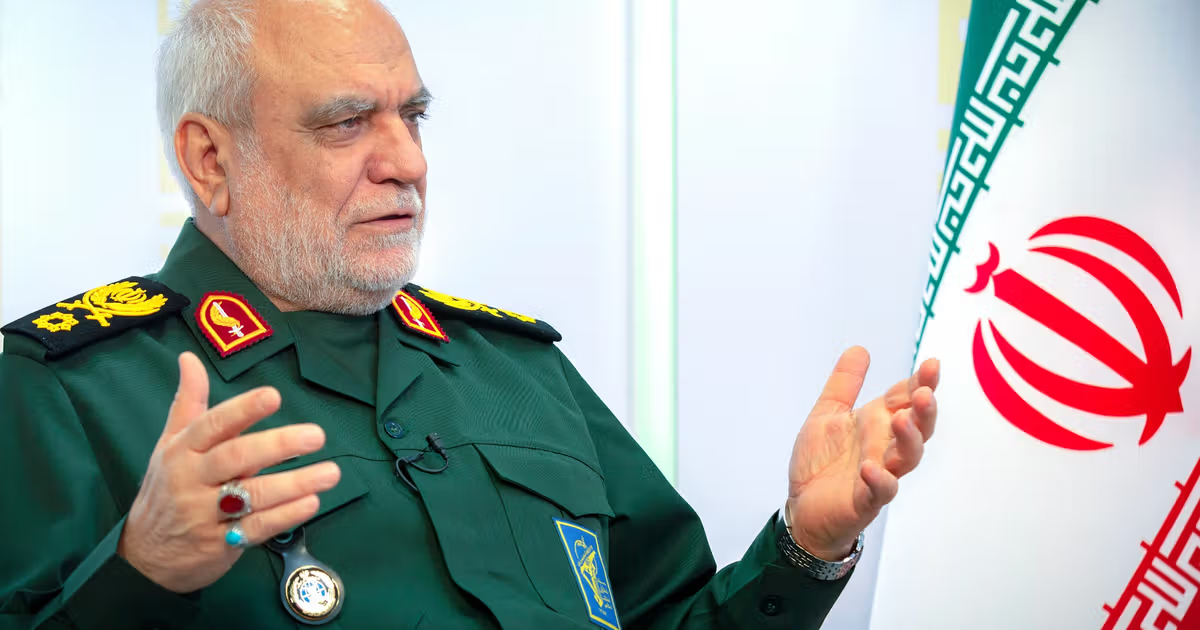
The killing of IRGC intelligence chief Majid Khademi raises near-term security and institutional risk inside Iran while diplomatic channels float ceasefire proposals that could reopen the Strait of Hormuz; the waterway carries roughly 20 million barrels/day (≈20% of global seaborne oil) so sustained disruption would materially tighten oil markets. Mediators have circulated plans for an immediate pause with either a 15–20 day window to finalize a broader deal or a proposed 45-day ceasefire; there is no confirmation Iran has accepted terms. Separately, a UAE crackdown on IRGC-linked money changers exposes the Dubai hard-currency channel (estimated $8–15bn/year and possibly $15–20bn lost in deeper actions), raising risks to Iran’s FX receipts and procurement networks.
The assassination of a senior internal-security architect increases the probability of asymmetric retaliation and internal disruption inside Iran, raising short-term tail risk to shipping and dual‑use infrastructure. Mechanically, targeted reprisals or IRGC-driven domestic crackdowns increase the odds of temporary closures or harassment in the Strait of Hormuz, which would magnify volatility in freight rates and insurance spreads within days and could lift an oil risk premium by $5–15/bbl if sustained for multiple weeks.
Separately, the UAE’s arrests expose an actionable choke point on Tehran’s offshore FX plumbing; if enforcement moves beyond exchange houses into free‑zone shells, expect hard‑currency inflows to drop meaningfully — we model a 20–40% reduction in the Dubai channel within 1–3 months, equivalent to a $3–8bn near-term liquidity shock that would force Iran toward barter, discounted oil sales, and accelerated militarized procurement efforts. That shift tightens supply chain frictions for sanctioned goods and lengthens repair timelines for damaged infrastructure under embargo.
Macro catalysts that can reverse market moves are clear and quick: (1) a credible Islamabad‑mediated memorandum and phased asset release could remove most near‑term premiums within 15–45 days; (2) strikes on power plants or prolonged targeting of petrochemical chokepoints would institutionalize disruption, pushing oil and risk assets higher for quarters. Positioning should therefore trade the binary of rapid de‑escalation versus entrenchment, favoring convex option structures and hedges that pay off if the crisis persists.
AI-powered research, real-time alerts, and portfolio analytics for institutional investors.
Request DemoOverall Sentiment
strongly negative
Sentiment Score
-0.70
