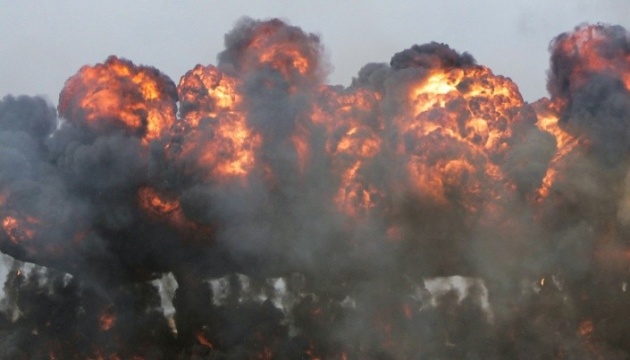
Ukrainian forces struck Russian logistics and fuel storage facilities, hitting a moving echelon of fuel and lubricants at the Hvardiyske oil depot in occupied Crimea and a Russian repair unit near Hirne in occupied Donetsk, with damage still being assessed. Kyiv also reportedly struck the Oskolneftesnab oil depot in Russia’s Belgorod region and a Russian supply warehouse on Jan. 7; these actions aim to degrade Russian frontline sustainment and could create localized disruption to fuel supplies and military logistics, presenting modest near-term risk to regional energy flows and defense resource allocation.
Market structure: Tactical strikes on fuel depots and repair units increase local refined-product and logistical stress without immediately disrupting global crude supply; expect regional diesel/jet spreads to Europe to widen 2–6% over 1–6 weeks and Urals differential to Brent to spike intermittently by $1–$4. Direct winners: defense primes (higher procurement risk premia), logistics/energy trading desks able to arbitrage regional dislocations; direct losers: Russian forward logistics, regional refiners with single-source supply and European airlines/ground transporters who face higher fuel cost and operational risk.
Risk assessment: Tail risk includes escalation to Black Sea export infrastructure or major pipeline interdiction (low probability, high impact) that could lift Brent by $8–$15 within weeks and trigger broad risk-off. Immediate window (days): localized price moves and FX pressure on RUB; short-term (weeks–months): higher volatility in oil products, credit spreads on regional corporates; long-term (quarters+): repricing of security premia into defense budgets and energy supply diversification capex.
Trade implications: Tilt portfolio to tactical crude/product long exposure (2–3% notional) and selective longs in defense primes while shorting high-exposure European travel/logistics names; favor option structures that buy skew (call spreads on Brent, protective puts on airline shorts). Use triggers tied to measurable thresholds (Brent move, Urals spread, VIX) to scale positions and stop-losses.
Contrarian angles: Consensus underestimates duration of refined-product dislocations — storage fills and logistical choke points can sustain premiums for 4–12 weeks even if crude flows normalize. The market may overpay for broad energy longs; prefer regional product plays and defense equities with clear FY+1 revenue sensitivity (>5–10% upside) rather than generic oil ETF exposure.
AI-powered research, real-time alerts, and portfolio analytics for institutional investors.
Request DemoOverall Sentiment
moderately negative
Sentiment Score
-0.35
