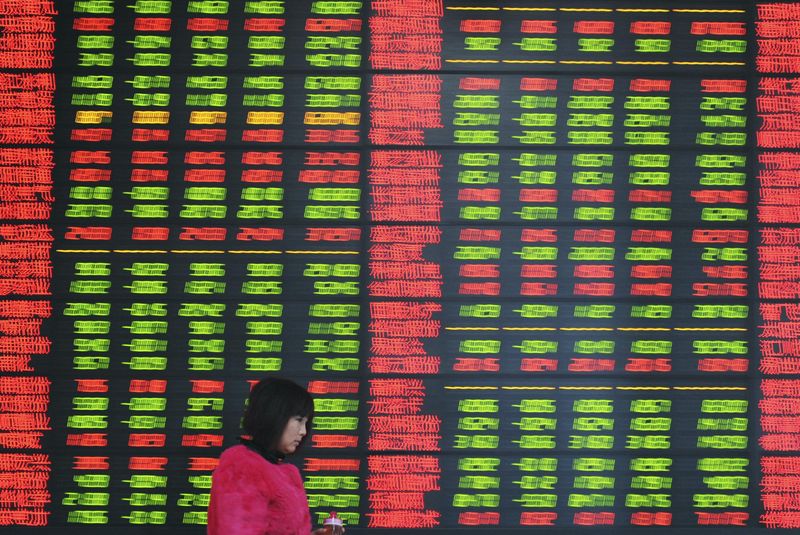
Asian equities were broadly mixed to lower as chip stocks lost momentum, with South Korea’s KOSPI dropping as much as 4% after hitting record highs. Samsung Electronics fell as much as 4% and SK Hynix saw sharp swings amid profit-taking, while geopolitics kept risk appetite subdued ahead of U.S. CPI data. Ongoing U.S.-Iran tensions and higher oil prices added to inflation concerns and weighed on sentiment across the region.
The cleanest read-through is that the market is transitioning from a liquidity/AI beta regime into a tape where positioning matters more than fundamentals for the next few sessions. Korea is the pressure valve: after a parabolic run, even a modest macro wobble is enough to trigger systematic de-grossing, and semis are the most crowded expression of the AI trade in Asia. That means the downside can overshoot quickly because the same investors who chased the move are now forced sellers on a volatility break. The more interesting second-order effect is that a potential Samsung labor disruption changes the global memory supply calculus precisely when demand is strong. A strike risk does not just hit Samsung margin; it can reprice the entire downstream chain, benefiting non-Korean memory exposures, module assemblers with inventory, and even some equipment suppliers if capacity additions get pulled forward. If production risk becomes real, spot memory pricing could tighten faster than consensus expects, making the sector more bifurcated rather than simply "risk-off." Macro-wise, the market is discounting a dual shock: geopolitics lifting energy prices and inflation prints constraining rates relief. That combination is toxic for duration-heavy equities and especially for semis, which trade on multiple expansion as much as earnings. The near-term catalyst stack is dense over days, not months: U.S. CPI, any escalation in Middle East headlines, and headlines around strike timing. The reversal case is straightforward—if CPI cools and diplomacy improves, this current de-risking can snap back violently because the underlying AI earnings story has not broken, only the tape has.
AI-powered research, real-time alerts, and portfolio analytics for institutional investors.
Overall Sentiment
mixed
Sentiment Score
-0.10
