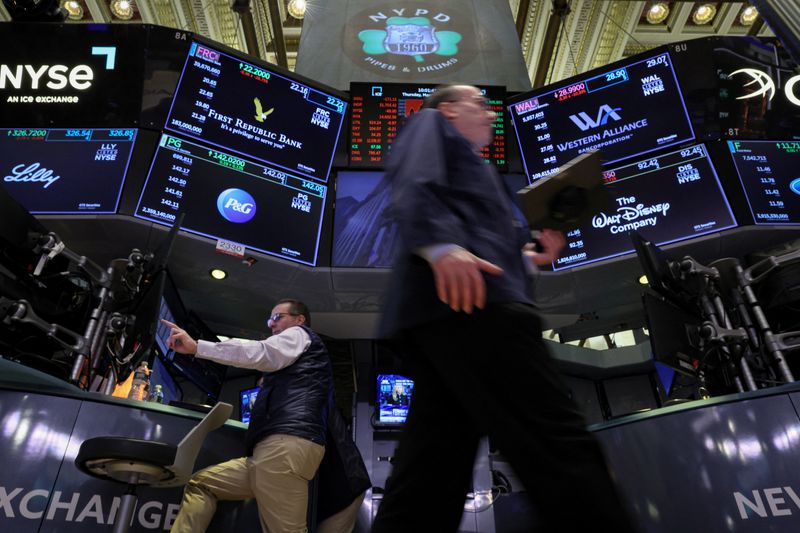
S&P 500 futures were at 6,624.50, Nasdaq 100 futures at 24,223.00 and Dow futures at 46,748.0 as of 20:19 ET; cash markets closed mixed (S&P little changed, Nasdaq +0.2%, Dow -0.1%). Markets were unsettled by President Trump saying Washington would ramp up attacks on Iran “over the two to three weeks,” while Iran said it is drafting a shipping protocol with Oman — geopolitical escalation pushed oil higher and heightened volatility across equities, commodities and FX. Focus is now on the U.S. nonfarm payrolls due Friday (market closed for Good Friday), where a stronger print would reinforce higher-for-longer Fed bets and thin holiday liquidity could amplify moves.
Near-term geopolitical re-pricing is amplifying dispersion within energy-linked ecosystems: upstream producers and tanker owners are the obvious beneficiaries, while refiners and travel/transport sectors face margin compression from higher delivered crude and bunker costs. A realistic second-order effect is insurer and freight-rate repricing that can raise landed crude economics by high single digits per barrel for buyers on extended voyage routes, mechanically widening upstream free cash flow but compressing downstream refinery margins and airline unit costs.
Time horizons matter: days-to-weeks are headline-driven and liquidity-amplified, creating fast option-implied moves and skew; weeks-to-months will reflect physical logistics (eta delays, insurance cover, re-routed ton-miles) and inventories; beyond ~3–6 months the key variables are capex response curves and demand elasticity — constrained upstream capex implies a higher structural floor for the cycle even if near-term spikes eventually trigger demand destruction. Reversal catalysts to watch: a credible diplomatic shipping protocol, coordinated strategic reserve releases, or a pronounced global growth slowdown that collapses demand and crude back toward previous ranges.
Consensus is biased toward simple long-energy exposure; the nuanced opportunity is targeted, time-limited dispersion trades that capture freight/margin shocks and FX/real-rate responses while hedging headline risk. Manage entry around clear triggers (e.g., freight indexes or sudden diplomatic moves), use options to control tail risk during liquidity-thin windows, and size for volatility — these are asymmetric plays where a 2–4 week headline can create 20–40% moves in niche names while broader indices largely mute gains.
AI-powered research, real-time alerts, and portfolio analytics for institutional investors.
Request DemoOverall Sentiment
mildly negative
Sentiment Score
-0.25
