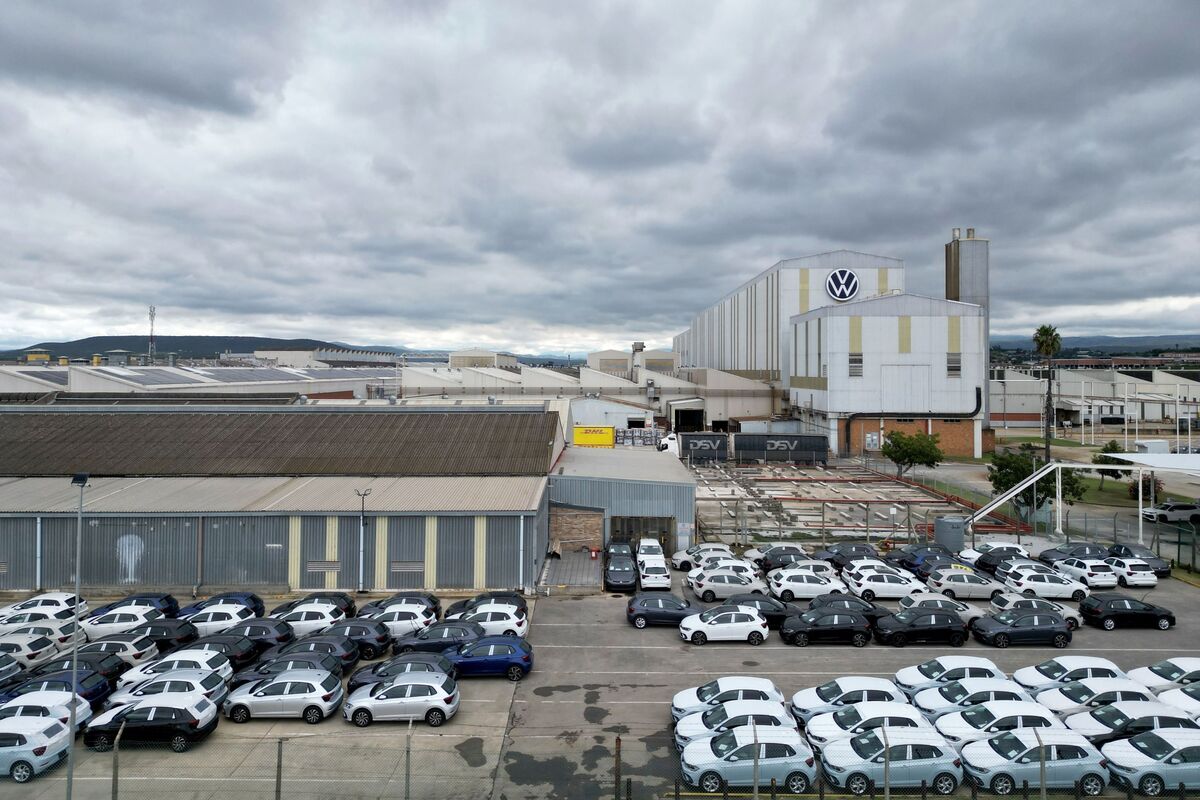
South Africa's auto sector, the largest component of the country's manufacturing base, is under severe pressure from a flood of lower-cost imports from China and India, prompting Toyota, Volkswagen and other manufacturers — joined by unions and investors — to demand urgent policy interventions such as tariffs or regulatory support. The industry is already experiencing job losses and plant closures (anecdotal worker layoffs at Goodyear in Nelson Mandela Bay), putting local OEM profitability, employment and supply-chain resilience at risk and likely elevating sector-level political and trade actions.
The immediate economic lever in this story is policy: protection (tariffs, local-content rules, tax breaks) can flip margins for South African assemblers and component plants within weeks of announcement, while continued price deflation from Chinese/Indian exports will erode volumes and fixed-cost absorption over 6–24 months. Expect plant-level utilization to move in the mid-teens percentage range from current baselines if imports continue unchecked; that feeds through to tier-1 parts and tire producers first, then assembly lines and logistics hubs. Second-order winners are firms with global scale and flexible sourcing that can arbitrage lower input costs (benefiting global OEM parents and regional distribution arms), while losers are domestically rooted manufacturers and capital-intensive suppliers with older plants. Currency moves amplify this: a 10% ZAR depreciation would mechanically raise the local-currency price of imports, buying incumbents time; conversely, stable/strong ZAR keeps pressure on margins and accelerates closures. Key catalysts and timelines: short-term (days–weeks) — union/investor coordination and budget statements that telegraph policy; medium (3–12 months) — formal tariff/local-content decisions and plant-level restructuring; long (12–36 months) — permanent footprint shifts or consolidation. Tail risk: an abrupt protective policy (15–30% tariff) could restore several hundred basis points of operating margin for local plants and rapidly reverse the dislocation, so any directional trade needs policy-event hedging.
AI-powered research, real-time alerts, and portfolio analytics for institutional investors.
Overall Sentiment
strongly negative
Sentiment Score
-0.65
Ticker Sentiment
