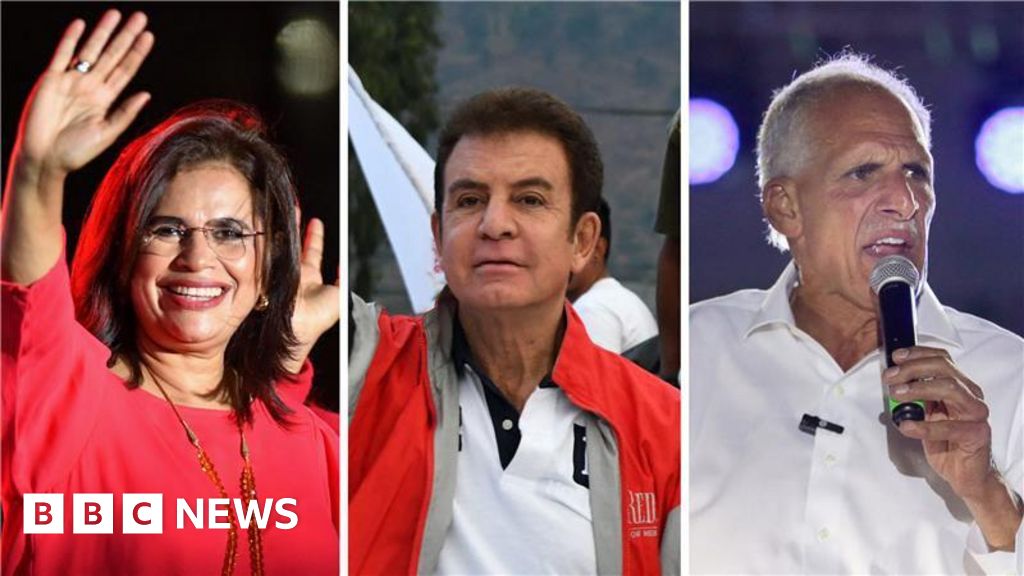
Honduras held a tense presidential election viewed as a three-way race between leftist Rixi Moncada, centrist Salvador Nasralla (the current frontrunner), and right-wing Nasry “Tito” Asfura, who has received public endorsement from former US President Donald Trump. Trump has threatened to cut US financial aid if Asfura does not win; the US provided more than $193m to Honduras last fiscal year, has sent over $102m so far this year, and the administration has reportedly cut $167m earmarked for 2024–25 — a material source of fiscal and political leverage. Voting was largely peaceful but pre-emptive fraud claims, concerns about military politicisation and the Libre party’s refusal to accept preliminary results raise the risk of post-election unrest and policy uncertainty that could depress investor confidence and affect bilateral relations, especially on drug interdiction and ties with China and Venezuela.
Market structure: A contested Honduran result or US aid withdrawal is a net negative for Honduran sovereign holders, local banks, and any Honduras-exposed miners/infra — expect immediate risk premia to rise and Honduran USD bonds to underperform broader EM by 200–600bp in a stress scenario. Winners in a short window are USD cash and high-quality sovereigns (US 2–10y), plus US border/security contractors (LHX, LMT, RTX) if Washington increases interdiction spending; Chinese tech suppliers could lose future opportunity if a pro-US candidate severs China ties.
Risk assessment: Tail risks include a 1–3 week contested-count unrest episode causing temporary capital controls or defaults, or a durable aid cut that forces a sovereign funding crisis within 6–18 months; probability medium-low but impact high for holders of Honduran paper. Hidden dependencies: remittances (USD inflows), US military/aid decisions, and narcotics-enforcement actions — any swing in these can drive FX, CDS and bank runs quickly. Key catalysts to watch: US admin aid announcements (next 0–30 days), preliminary vote margins (<1% => elevated protest risk), and National Electoral Council timelines.
Trade implications: Near-term (days–weeks) favor hedging EM sovereign exposure and buying short-dated protection on EMB; medium-term (3–12 months) overweight select US defense/security names and underweight Honduras/Frontier-LatAm sovereigns. Volatility will likely compress after final certified count (30–90 days) if uncontested; if contested, expect EM credit spreads +100–300bp and local FX depreciation.
Contrarian angles: Consensus treats Honduras as immaterial to global markets — but a contested result with US aid withdrawal is a high-leverage event for EMB/HCN sovereign spreads and migrant flows that can affect US political risk and defense budgets. The market may underprice the bilateral political leverage: a pro-US win could accelerate US-funded security contracts (alpha for defense names), while a left/protest outcome amplifies EM credit stress (alpha for longs in puts/sovereign CDS). Historical parallels: 2019–2021 Central American instability episodes produced multi-week EMB spread dislocations and 5–15% repricing in regional FX.
AI-powered research, real-time alerts, and portfolio analytics for institutional investors.
Request DemoOverall Sentiment
moderately negative
Sentiment Score
-0.35
