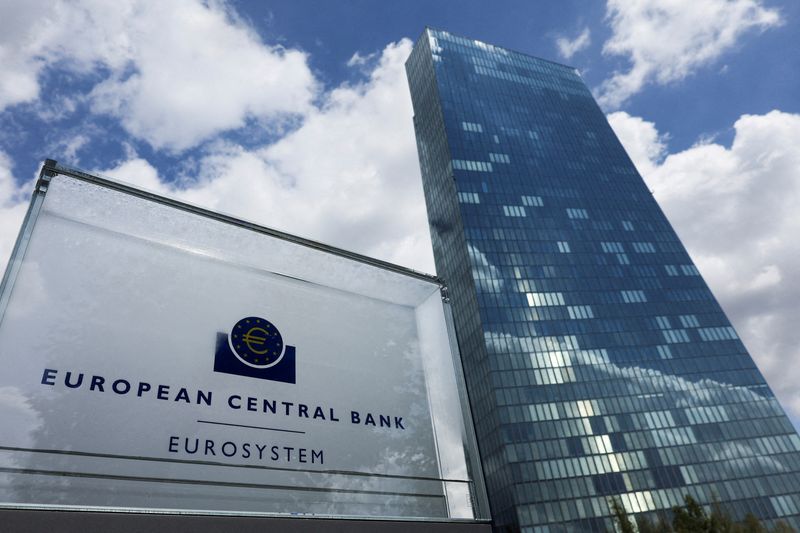
The ECB warned that a surge of cheap Chinese exports since 2021 — driven by a housing downturn, weak domestic demand and state-supported manufacturing — is undercutting European producers and weighing on import prices. Goldman Sachs analysts argue this increase in foreign competition could lower inflationary pressure but has ambiguous overall effects depending on domestic demand adjustments, and note central banks have historically left policy broadly unchanged when weaker domestic growth coincides with higher external growth. As a result, the ECB is expected to keep its key rate on hold for the foreseeable future while monitoring labour-market and wage dynamics, with risks skewed toward rate cuts next year.
Market structure: Cheap Chinese exports are a clear winner for EU importers, discount retailers and consumer-facing chains (import-price pressure could shave roughly 0.1–0.3 percentage points off Eurozone core CPI over the next 6–12 months) while European capital-goods manufacturers and metal producers lose pricing power and market share. Pricing dynamics will compress margins for EU industrials, sustain deflationary impulses in tradable goods, and favor firms with scale/low-cost sourcing or offshore manufacturing footprints. Cross-asset: expect downward pressure on Bunds/USTs (10y yields -10–30bp if disinflation persists), EUR weakness of ~1–3% vs USD, and commodity metal prices down 3–8% in a 3–6 month window.
Risk assessment: Tail risks include swift EU anti-dumping tariffs ( >10% within 30–90 days) that would reprice exporters and lift cyclical equities, or a Chinese demand recovery that curtails export dumping and re-inflates commodity/industrial cycles. Time horizons matter: immediate (days) volatility on headlines; short-term (3–6 months) margin impacts and FX moves; long-term (6–24 months) structural share shifts and potential reshoring. Hidden dependencies: wage dynamics, ECB reaction function, and corporate inventory cycles will determine whether lower import prices translate to sustained lower inflation or transient passthrough.
Trade implications: Tactical longs: select AI/compute beneficiaries (SMCI, APP) as risk-on plays if Fed cuts reappear — prefer 3-month call spreads to limit premium; tactical shorts: underweight/short German industrials (Siemens/SIEGY or put spreads on EWG) to play margin compression for 3–9 months. Duration: position for modest policy easing by accumulating TLT if 2y UST <4.0% or 10y <3.8% within 60 days; size trades to 1–3% portfolio risk each.
Contrarian angles: The market underestimates policy/anti-dumping follow-through — if EU imposes tariffs, the cheap-import bear case reverses quickly and European industrials could rally 15–30% in 3–9 months; conversely, consensus may be under-pricing euro depreciation which would boost US-listed multinationals and cap global commodity exporters. Historical parallels (post-2021 China housing shock) show export surges can be temporary; structure positions with triggers (tariff news, Chinese PMI >50) to flip exposure within 30–90 days.
AI-powered research, real-time alerts, and portfolio analytics for institutional investors.
Request DemoOverall Sentiment
mildly negative
Sentiment Score
-0.25
Ticker Sentiment
