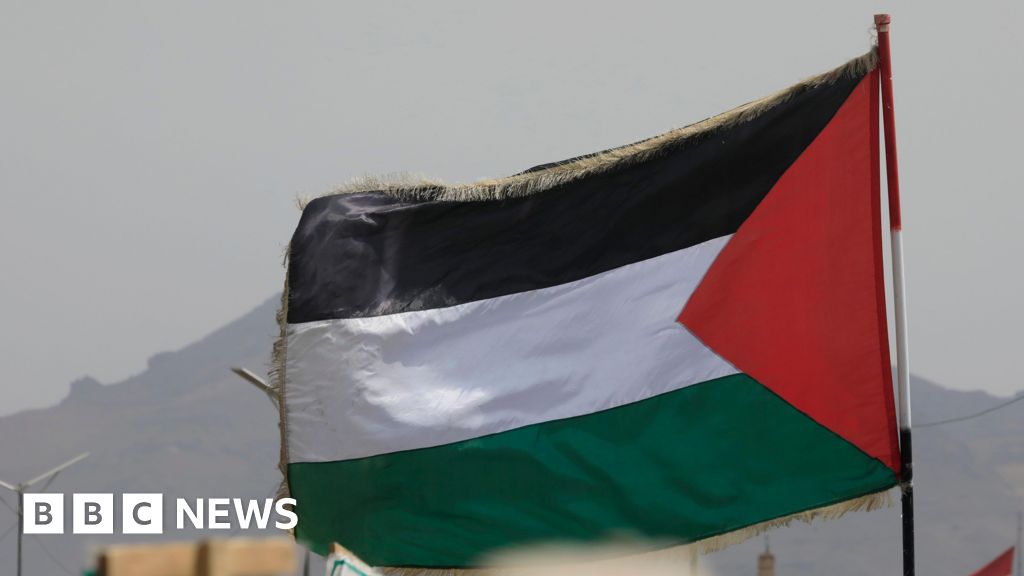
The UK has announced a conditional plan to recognize a Palestinian state by September, contingent on Israel agreeing to a Gaza ceasefire and committing to a two-state solution, a move vehemently opposed by Israeli PM Netanyahu. This decision, which aligns the UK with a growing number of nations including France, Ireland, Spain, and Norway, is primarily symbolic but significantly increases international diplomatic pressure on Israel and further isolates the United States on the issue. While reflecting global shifts driven by the Gaza conflict, the immediate practical impact of such recognition remains uncertain.
The United Kingdom's conditional plan to recognize a Palestinian state by September represents a significant strategic shift, using recognition as a diplomatic tool to pressure Israel rather than as an outcome of a completed peace process. This move is contingent on actions Israel is unlikely to take, such as committing to a two-state solution which Prime Minister Netanyahu has repeatedly ruled out, making UK recognition highly probable. While the immediate on-the-ground impact is assessed as largely symbolic given Palestine's status as a 'quasi-state', the diplomatic repercussions are substantial. This decision would align the UK with 147 other nations and four of the five permanent UN Security Council members, deepening the diplomatic isolation of Israel and its key ally, the United States. The policy change is attributed to mounting pressure from the humanitarian situation in Gaza and a significant shift in British public and political opinion, forcing the government's hand. However, the article concludes with uncertainty about the actual long-term impact, acknowledging the UK's limited ability to unilaterally influence the conflict.
AI-powered research, real-time alerts, and portfolio analytics for institutional investors.
Request DemoOverall Sentiment
Neutral
Sentiment Score
0.00
