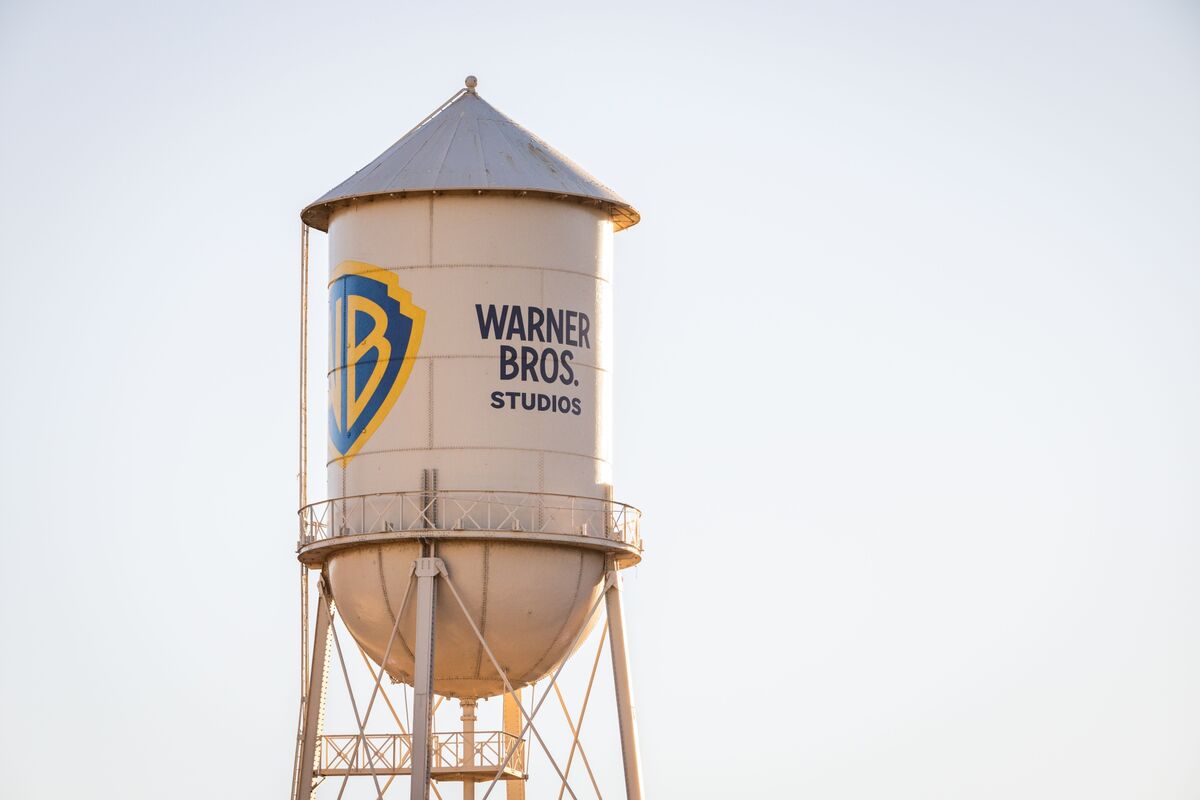
After a public auction process, the Warner Bros. Discovery board agreed to sell the company to Netflix; Warner shareholders would receive a package of consideration that implies total per‑share value between $29.75 and $32.75 (calculated as $23.25 + $4.50 + $2 to $23.25 + $4.50 + $5). The deal represents significant consolidation in media and is material for equity holders and strategic positioning in streaming, while likely drawing regulatory and antitrust scrutiny given the scale of the transaction.
Market structure: Netflix buying Warner Bros. consolidates premium studio IP under the largest global streamer, transferring immediate wealth to WBD shareholders via a $29.75–$32.75 implied per‑share consideration. Winners are WBD equity holders and Netflix’s subscriber proposition; losers are mid‑tier streamers (smaller SVODs, localized studios) that will face higher bidding for blockbuster content and potential margin pressure over 6–18 months. Cross‑asset: expect upward pressure on high‑grade media credits if deal is financed with debt, wider NFLX equity volatility, and short‑dated options activity spike around regulatory milestones.
Risk assessment: Tail risks include a DOJ/FTC or EU intervention within 3–12 months, a financing shortfall if NFLX stock drops >15% before close, and integration erosion of projected synergies over 12–36 months. Hidden dependencies: legacy WBD debt covenants, international licensing windows that could strip near‑term cash flow, and key talent retention clauses that may trigger outsized payouts. Key catalysts: HSR filing (days–weeks), shareholder votes (30–90 days), and next NFLX earnings (quarterly) where guidance/financing detail will surface.
Trade implications: Run merger‑arb: if WBD trades >50bps below midpoint of $31.25, consider long WBD and hedge equity beta by shorting NFLX (notional hedge 70–85%) to capture spread in a 3–9 month window; set stop at spread widening >200bps or regulator suit. Options: buy small, time‑limited NFLX puts (3–6M, ~10–20% OTM) sized 0.5–1% NAV as asymmetric downside protection against financing/regulatory shock. Rotate 1–2% NAV out of high‑cost content producers (e.g., FOXA/DIS exposure) into ad/tech platforms (GOOGL/META) that can monetize expanded inventory.
Contrarian angles: The market underestimates regulatory risk and overestimates immediate synergy capture — remember AT&T/Time Warner (long, drawn‑out antitrust fight) and Disney/Fox (lengthy integration). If regulators force divestitures, content fragmentation could increase, creating buying opportunities in niche studios and licensing plays; conversely, an easy clearance could cause NFLX equity to underperform for dilution — position sizes should be asymmetric and event‑driven.
AI-powered research, real-time alerts, and portfolio analytics for institutional investors.
Request DemoOverall Sentiment
moderately positive
Sentiment Score
0.45
Ticker Sentiment
