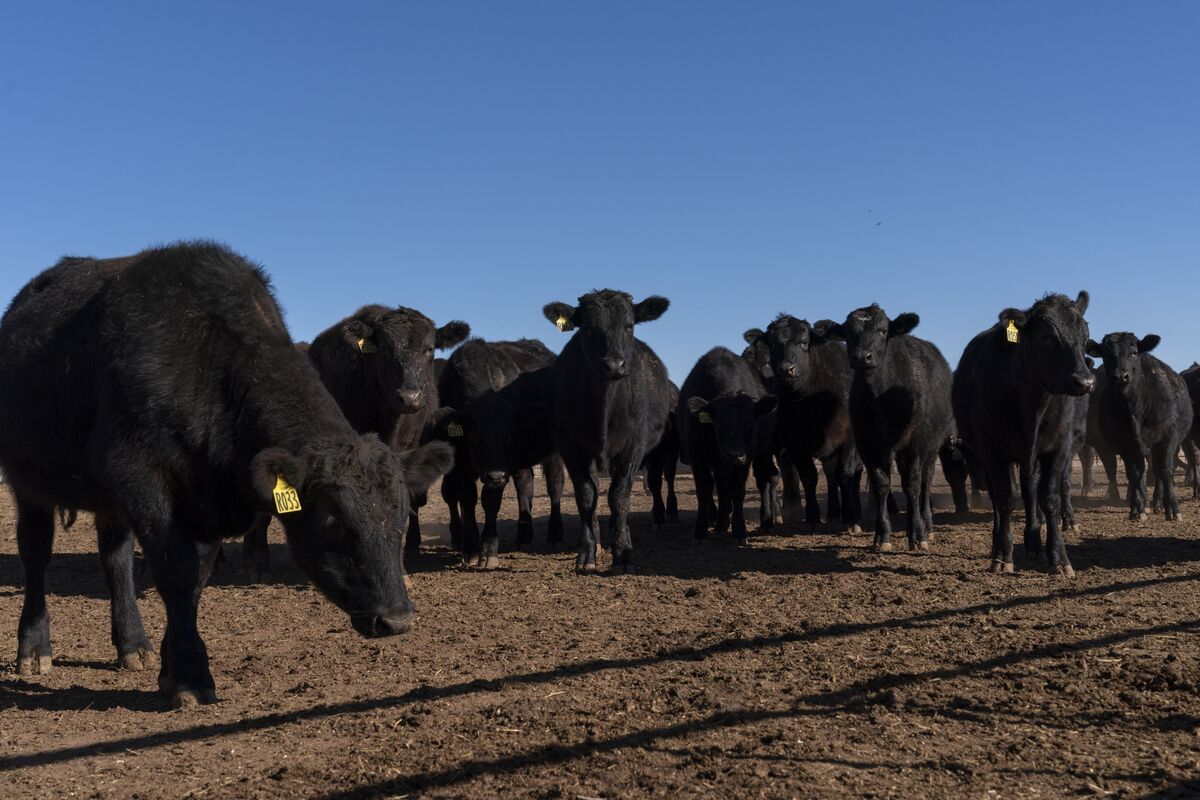
Australia's government announced it will lift import restrictions on US beef from next week, including meat originating from Canada or Mexico and slaughtered in the US. This decision, aimed at appeasing President Donald Trump who had criticized Australia's biosecurity measures as an unfair trade impediment, marks a significant reversal of a ban largely in place since 2003 due to mad cow disease, signaling a proactive effort to mitigate trade friction and enhance market access for US meat producers.
The Australian government's decision to lift import restrictions on US beef marks a significant policy reversal driven by geopolitical considerations rather than purely market or safety factors. This move, explicitly intended to appease the Trump administration's critique of Canberra's biosecurity measures, fully reopens a market that has been largely closed to US producers since the 2003 mad cow disease outbreak. The specific inclusion of red meat originating from Canada or Mexico but slaughtered in the US expands the scope of the liberalization, directly benefiting US-based meat processing operations. While the sentiment is moderately positive for the affected sector, the low market impact score of 0.3 suggests this development is viewed as a targeted resolution to a niche trade dispute, unlikely to have broader macroeconomic implications. The action underscores the increasing influence of political negotiations on international trade flows and agricultural supply chains.
AI-powered research, real-time alerts, and portfolio analytics for institutional investors.
Request DemoOverall Sentiment
moderately positive
Sentiment Score
0.50
