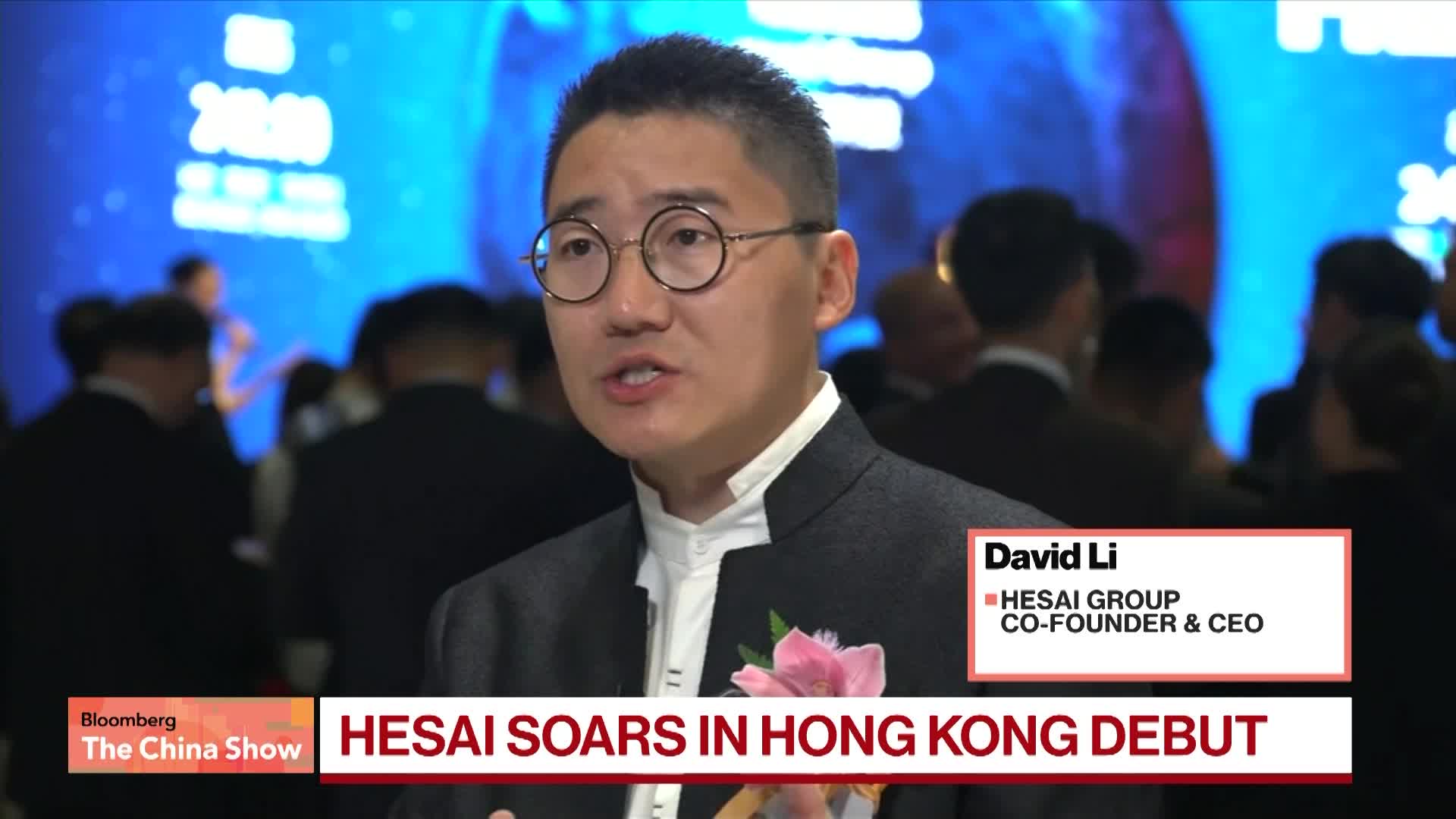
Hesai Group, the world's largest manufacturer of lidar sensors for automotive applications, saw its shares surge in its Hong Kong trading debut. CEO David Li also articulated the company's ambition to achieve leadership in the robotics sector, indicating a strategic expansion beyond its core market.
Hesai Group (HSAI), the world's largest manufacturer of lidar sensors for the automotive industry, demonstrated significant investor confidence with a share price surge during its Hong Kong trading debut. This strong market reception underscores its established leadership in a critical component for autonomous driving. Furthermore, CEO David Li's statement about pursuing a leadership position in the robotics segment signals a clear strategic intent to diversify beyond its core automotive market. This ambition to leverage its sensor technology in robotics presents a new, potentially high-growth vector for the company, complementing its dominant standing in the automotive supply chain.
AI-powered research, real-time alerts, and portfolio analytics for institutional investors.
Request DemoOverall Sentiment
strongly positive
Sentiment Score
0.85
Ticker Sentiment
