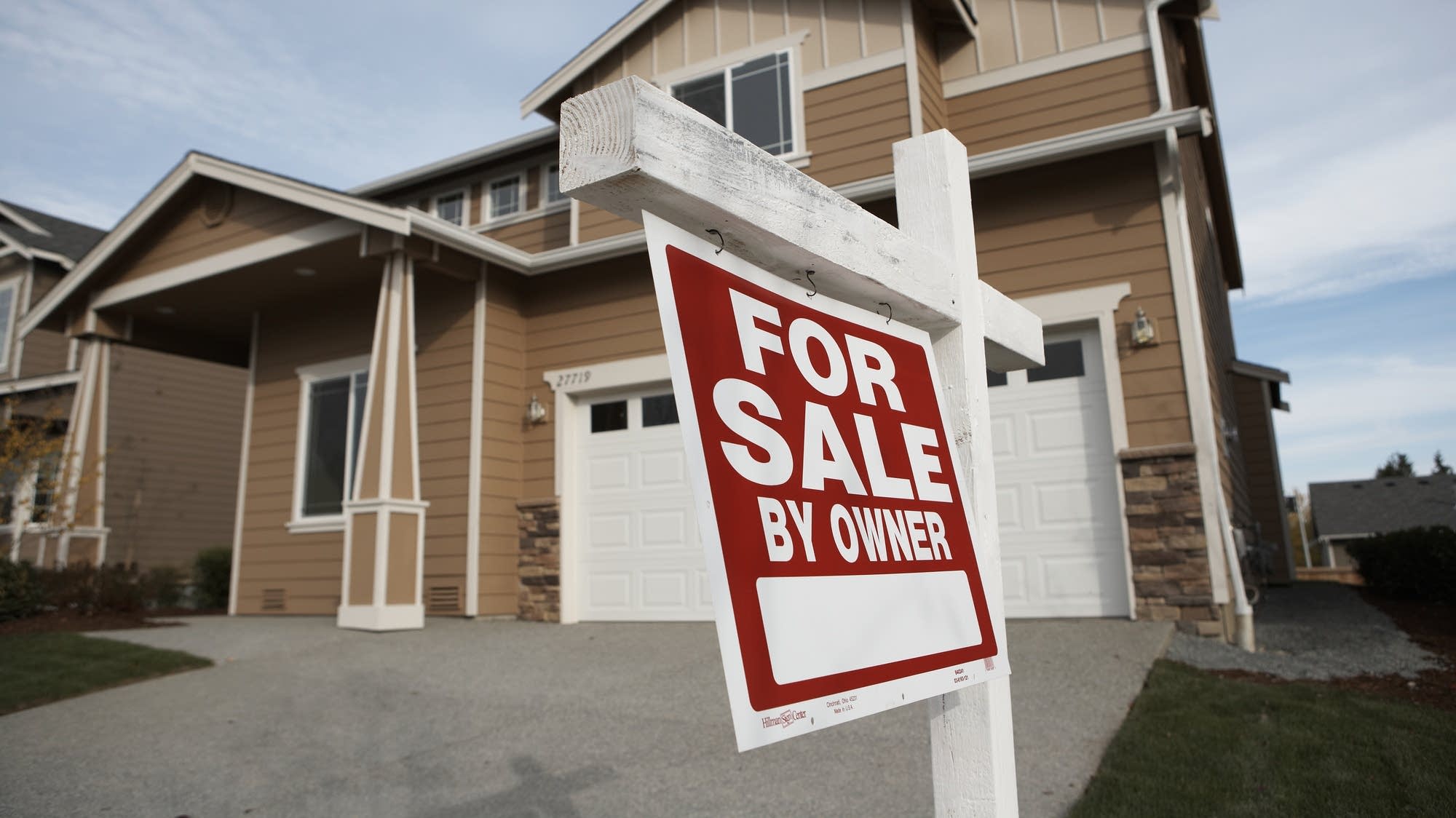
Housing market indicators point to a constructive outlook as home-price inflation moderates and mortgage rates are expected to decline, suggesting improving affordability and downside risk to financing costs. Separately, U.S. oil production is noted to be rising, minimum-wage policy shifts mean more states will pay at least $15 versus the $7.25 federal floor by 2025, and tariffs have disrupted small retailers (e.g., Busy Baby) — a reminder of trade policy risk to margins. Travel and marketing strategies are evolving with tourism boards and carriers such as Qatar Airways deploying AI influencers to drive demand.
Market structure: Falling mortgage rates + moderating home-price inflation point to winners: large homebuilders (LEN, DHI, PHM), agency MBS holders (MBB), and hotel/OTA recovery plays (MAR, EXPE). Losers include small-cap E&P and energy services (XOP, OIH) if US production stays high, and low-margin small restaurant/casual-dining chains facing >$15 state minimum wages. Cross-asset: lower rates should push 10y yields down (benefit TLT/long-duration), tighten mortgage spreads (MBB up), and weigh on WTI — pressuring energy equities and related options skew.
Risk assessment: Tail risks are a Fed pivot back to hawkish policy (10y +75–100bps shock), accelerated tariffs raising material costs for builders, and AI/marketing regulation reducing OTA ROI. Time horizons: days — CPI/Fed minutes and weekly mortgage apps matter; 1–6 months — wage hikes compress margins and reprice small caps; 6–24 months — housing supply/demand dynamics and builder backlog realization. Hidden dependencies: regional labor shortages, builder input price inflation (lumber, copper, steel), and bank mortgage credit availability can flip theses quickly.
Trade implications: Favor long exposure to high-quality builders (LEN/DHI) and agency MBS ETFs (MBB) if 30y mortgage rates fall 25–75bps within 3–6 months; hedge with interest-rate protection (buy TLT call spread). Short/hedge small-cap E&P via XOP put spreads (3–6 month) against longs in energy majors (XOM) to avoid idiosyncratic takeover noise. Allocate a tactical 1–2% long to EXPE/BOOK for leisure demand uplift driven by new AI marketing channels.
Contrarian angles: Consensus underestimates how fast MBS and long-duration bonds reprice if rates fall — MBB/TLT upside may be underpriced; conversely the builder rally is conditional on input-cost deflation, not just lower rates, so builders with large backlogs (DHI) are safer than margin-compressed peers. AI travel influencers are hype-prone: marketing lift may not convert to durable bookings, so prefer performance-linked OTA exposure (EXPE) over nascent tourism-tech plays. Tariffs could paradoxically accelerate domestic capex, benefiting industrial suppliers more than importers.
AI-powered research, real-time alerts, and portfolio analytics for institutional investors.
Request DemoOverall Sentiment
mildly positive
Sentiment Score
0.25
