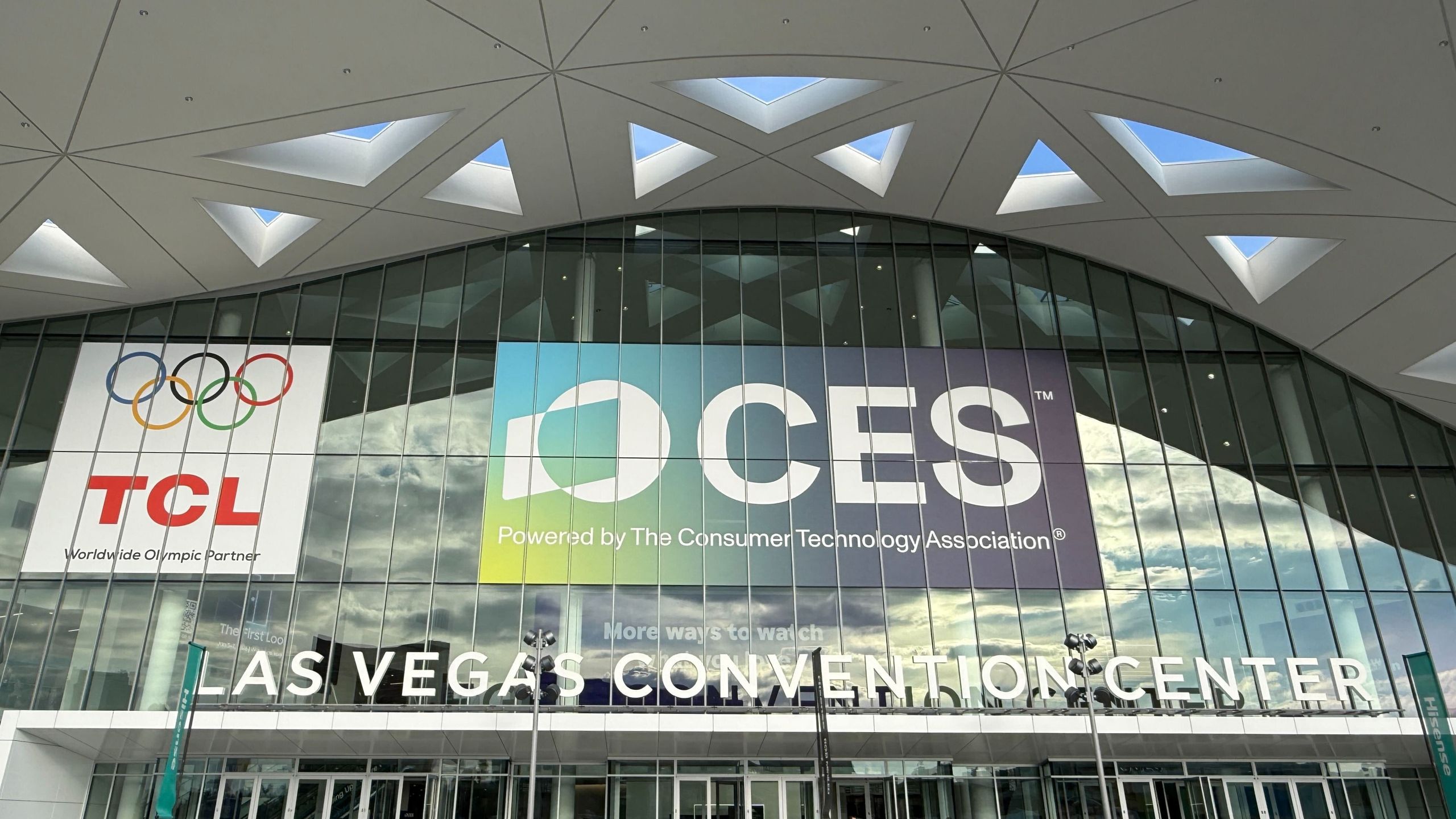
Major consumer-electronics players including LG, Samsung, TCL, Hisense, Xgimi and Audio-Technica used CES 2026 to unveil premium TV, projector and audio hardware that could shape product cycles for 2026. Highlights include LG's 9mm W6 Wallpaper OLED with Primary RGB Tandem panel and 4K/165Hz gaming, Samsung's S95H QD‑OLED claiming 2,700 nits peak (10% window) and an optional Wireless One Connect, TCL's flagship X11L Super QD TV, Xgimi's Titan Noir Max with advanced dynamic IRIS, Hisense's XR10 laser projector (LPU 30 engine, liquid cooling, 6,000 ANSI lumens, up to 300”), Samsung's 13‑driver HW-QS90H convertible soundbar and LG's modular Sound Suite (H7/M7/M5/W7), plus Audio‑Technica's AT‑LP7X turntable priced at £679 / $999. While the coverage signals a positive product cycle and competitive differentiation in premium AV, there are no company financials or guidance disclosed and the near-term market-moving impact is limited.
Market structure: CES 2026 signals accelerating product-cycle competition in premium TVs, soundbars and projectors — winners are large OEMs with scale (Samsung, LG, TCL) and retail distribution (Best Buy) that can absorb marketing/inventory risks; losers are single-product premium audio specialists (e.g., SONO) facing feature-for-feature displacement and potential ASP compression. Expect 12–24 month share shifts as RGB Mini‑LED and Primary‑RGB OLED adoption increases, with panel suppliers and LED/driver component vendors capturing upstream value.
Risk assessment: Near-term (days–weeks) effects will be sentiment-driven around CES headlines; short-term (1–6 months) risks include inventory build-ups and promotional price wars, and long-term (12–36 months) risks include patent litigation, supply‑chain shocks for OLED/laser components and FX volatility (KRW weakness helps Korean exporters). Tail scenarios: aggressive below-cost pricing by Chinese OEMs or a major panel shortage could swing margins ±300–500bp across the supply chain.
Trade implications: Tilt away from pure-play premium audio (SONO) and towards scaled OEMs and retailers/parts suppliers. Use derivative hedges for headline-driven volatility around holiday season and quarterly reports (3–6 month put spreads on downside; 6–9 month call spreads on display suppliers). Size trades to 1–4% of portfolio and set mechanical exits (e.g., trim longs on retailer if comps miss by >100bps; cover shorts if product reviews materially favor SONO).
Contrarian angles: Consensus underestimates software/ecosystem monetization — Sonos could defend margins via firmware, streaming partnerships or licensing, making deep short riskier. Conversely, the market may underprice the cost of complex wireless hubs (Zero Connect/Wireless One Connect): if returns on these premium accessories are low, OEMs will chase volume not margin, accelerating commoditization. Historical parallel: TV panel cycles (2016–18) show rapid ASP erosion once multiple players scale RGB Mini‑LED.
AI-powered research, real-time alerts, and portfolio analytics for institutional investors.
Request DemoOverall Sentiment
mildly positive
Sentiment Score
0.30
Ticker Sentiment
