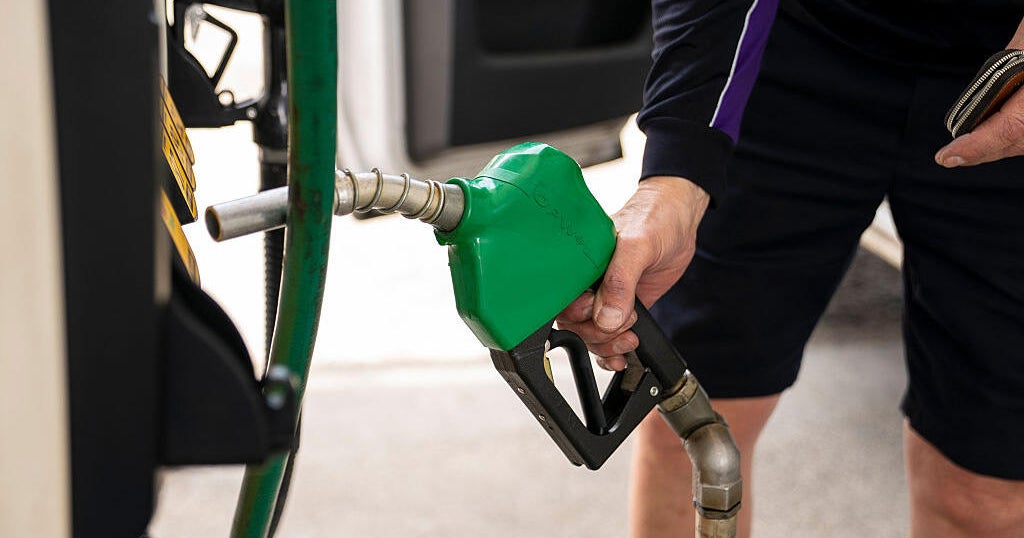
U.S. gasoline prices have surged to $4.56 per gallon nationally, up more than $1.50 since the Iran conflict began, while diesel has climbed to $5.67 from $3.54 a year ago. California gas prices are at $6.16 per gallon, and the article cites an estimated $876 increase in annual fuel costs for the typical car owner if prices stay elevated. The impact extends beyond consumers to freight, with higher diesel costs likely to raise prices across goods transported by truck and rail.
The immediate market implication is not “higher gasoline” in isolation, but a broad tax on discretionary demand with a lagged hit to goods inflation. Low- and middle-income consumers are the marginal spenders in this setup, so the first-order beneficiary is the savings channel: retailers, restaurants, travel, and small-ticket e-commerce should see softer transaction growth before headline CPI fully reflects the shock. The second-order loser is freight-intensive commerce, where diesel acts like a hidden margin compression layer for parcel, trucking, and rail operators that have less pricing power than the energy complex.
The bigger macro risk is that this is a regressive shock arriving when household balance sheets are already stretched, which raises the probability of a sharper pullback in nonessential spend than consensus models assume. That matters for cyclicals because fuel is paid weekly, while wage and price adjustments are sticky; the gap tends to show up first in delinquency-sensitive consumers, then in lower store traffic, then in inventory markdowns. For banks, the direct energy exposure is modest, but the mix deteriorates: subprime auto, credit card, and small-business stress can rise if elevated fuel persists into late summer driving season.
From a catalyst standpoint, the key variable is duration. A one- to two-month spike usually gets absorbed through trade-down behavior; a three- to six-month plateau can force earnings revisions across consumer discretionary and transport names. The reverse path requires either a diplomatic de-escalation or a fast demand destruction response, but absent that, price relief is likely to be slow because refined-product spreads and logistics bottlenecks can keep retail gasoline elevated even if crude stabilizes.
Consensus may be underestimating the policy feedback loop: persistent pain at the pump raises the odds of strategic releases, tariff/diplomacy pressure, or transport subsidies, any of which would hit the energy-beta trade just as sentiment becomes crowded. The more interesting trade is not simply long energy, but long the beneficiaries of lower driving intensity and higher fuel elasticity, because consumers will reoptimize behavior before policymakers resolve the conflict.
AI-powered research, real-time alerts, and portfolio analytics for institutional investors.
Request DemoOverall Sentiment
strongly negative
Sentiment Score
-0.65
Ticker Sentiment
