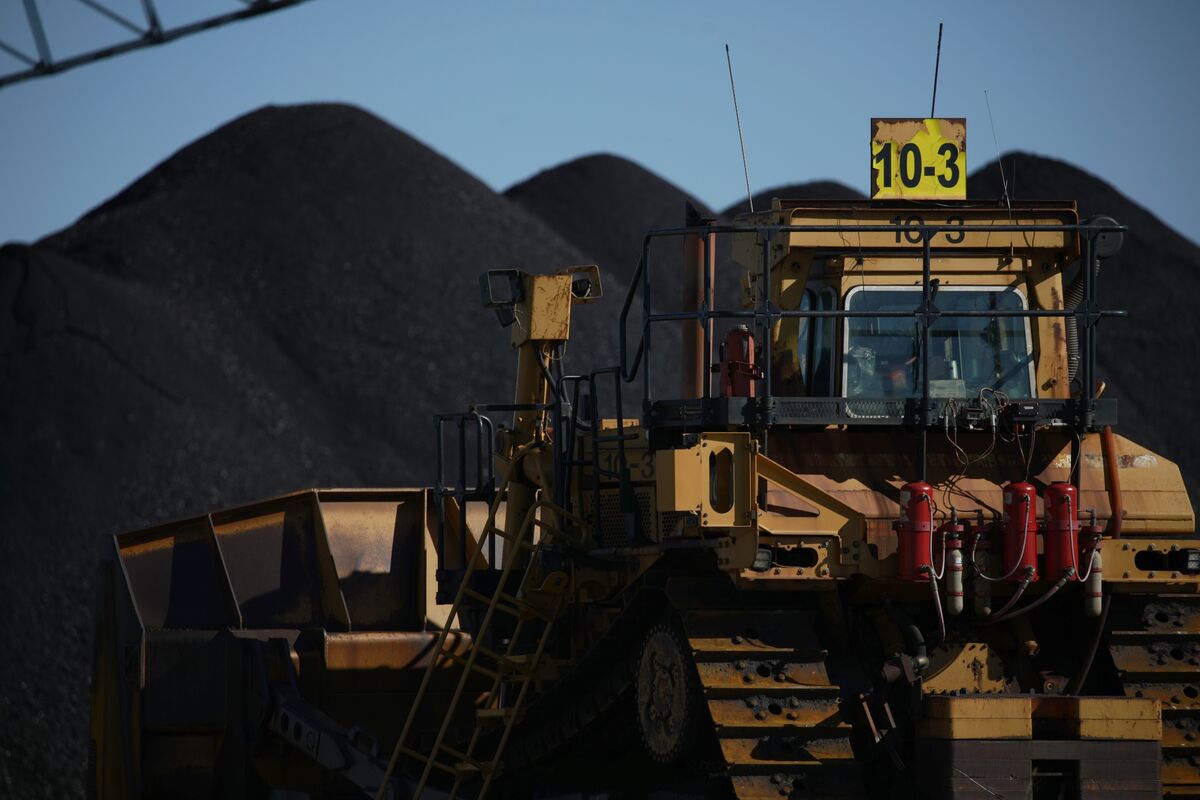
Peabody Energy Corp. has terminated its $3.8 billion agreement to acquire Anglo American Plc's steelmaking coal business, following a fire at the Moranbah North mine in Australia. This decision, stemming from a sharp disagreement between the firms over the incident's impact on the mine's substantial deal value, represents a significant setback for Anglo American's ongoing restructuring plans.
The termination of the $3.8 billion acquisition of Anglo American Plc's steelmaking coal business by Peabody Energy Corp. (BTU) represents a significant disruption to a major M&A transaction in the commodities sector. The collapse was triggered by a fire at the Moranbah North mine, an asset Peabody deemed a substantial part of the deal's value, leading to a sharp disagreement between the two firms over the incident's financial impact. For Anglo American, this is a major setback to its corporate restructuring plans, leaving it with a potentially impaired key asset and forcing it to reconsider its divestment strategy. Conversely, the market appears to view Peabody's withdrawal as a prudent move, reflected in the positive sentiment score (0.2) for BTU, suggesting investors see this as disciplined capital allocation that avoids exposure to an asset with newfound operational and financial uncertainties. The event underscores the high operational risks inherent in mining M&A, where unforeseen incidents can materially alter asset valuation and derail strategic initiatives.
AI-powered research, real-time alerts, and portfolio analytics for institutional investors.
Request DemoOverall Sentiment
strongly negative
Sentiment Score
-0.70
Ticker Sentiment
