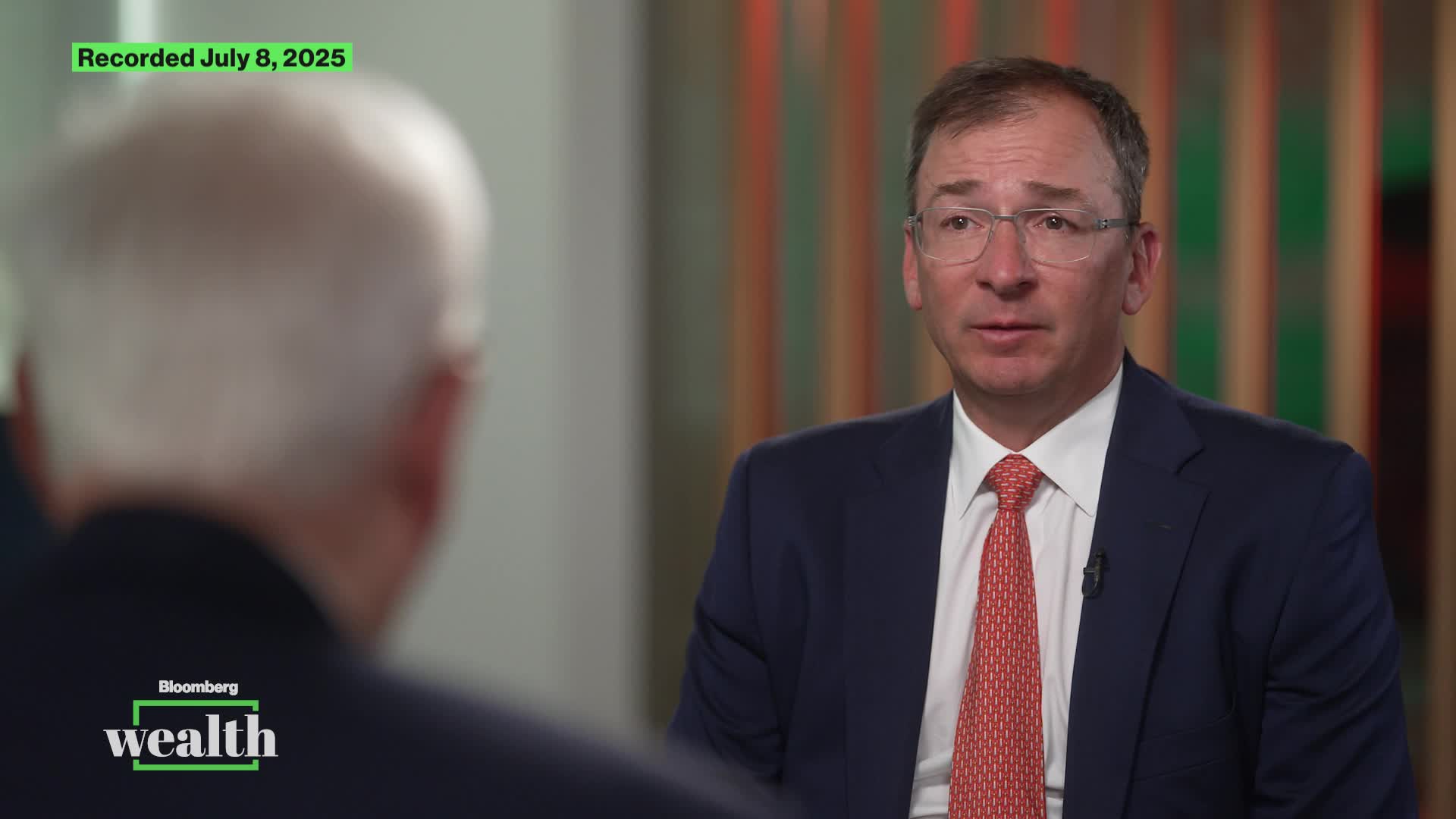
T. Rowe Price CEO Robert W. Sharps indicates no signs of a US recession, expressing surprise at the economy's resilience despite tight monetary policy. This assessment from a prominent asset manager suggests a more robust economic outlook than widely anticipated, potentially influencing investment strategies.
The chief executive of T. Rowe Price (TROW), a prominent asset management firm, has publicly stated a conviction that the US economy shows no signs of a recession, expressing surprise at its resilience in the face of tight monetary policy. This perspective, carrying a "strongly positive" sentiment score of 0.7, challenges more bearish market narratives and suggests that underlying economic fundamentals may be stronger than widely anticipated. The commentary's significant market impact score of 0.6 highlights its potential to shift broader investor sentiment and positioning, particularly as it originates from a respected industry leader during an interview with The Carlyle Group's (CG) co-founder. The remarks frame the current environment through the lenses of monetary policy effectiveness and economic durability, implying that the impact of elevated interest rates has not been as detrimental as feared.
AI-powered research, real-time alerts, and portfolio analytics for institutional investors.
Request DemoOverall Sentiment
strongly positive
Sentiment Score
0.70
Ticker Sentiment
