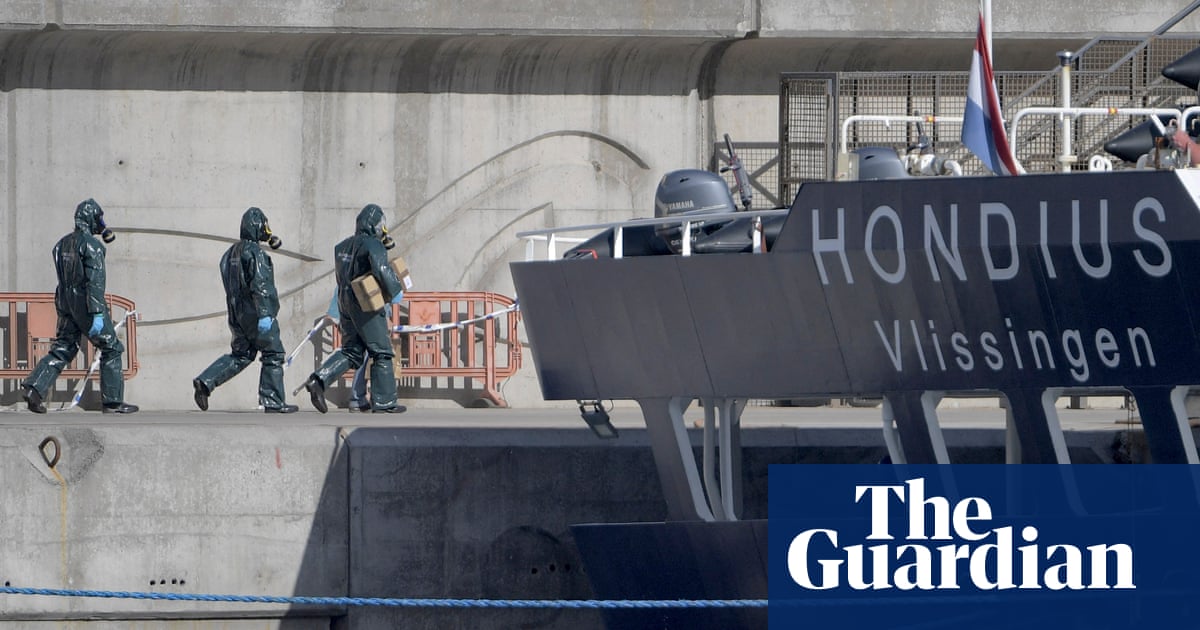
The WHO said more hantavirus cases may emerge after the MV Hondius outbreak, with 9 confirmed cases so far and at least 3 deaths, including a Dutch couple and a German national. Spain confirmed a hospitalized evacuee tested positive and remains stable, while WHO recommended a 42-day quarantine and close monitoring of high-risk contacts. The episode is a negative health and travel headline, but the direct market impact should be limited.
The immediate market impact is not the virus itself; it is the operational signal that cruise operators face a non-trivial probability of forced itinerary disruption whenever a medical event triggers quarantine, evacuation, and port denial. That raises the effective cost of capital for the sector through higher medical staffing, insurance, and contingency logistics, but the dispersion matters: large fleets with stronger health protocols and repatriation capabilities should take share from smaller expedition operators that rely on flexible port access and thinner balance sheets.
Second-order, this is more bullish for onshore destination operators than cruise names. If passengers are evacuated early and itineraries are curtailed, spend tends to re-route into hotels, regional air, and ground transport rather than disappear entirely; the losers are the operators with the highest exposed days-at-sea and lowest ability to rebook capacity. The bigger risk is not a broad demand shock over days, but a rolling headline over several weeks if additional cases emerge during the incubation window, which would keep booking curves under pressure into the next wave of sailings.
The contrarian view is that the selloff risk in travel leisure may be overstated because these events usually produce a short-lived risk premium rather than a structural demand reset. The true variable is not case count, but whether authorities standardize a harsh quarantine template; if 42-day isolation becomes the de facto response, utilization models for expedition cruise segments compress materially, but mainstream cruising likely sees only marginal pricing pressure. Healthcare diagnostics and infection-control suppliers are underappreciated beneficiaries if screening protocols become more routine across ports and airports.
For geopolitics, the episode reinforces that countries able to absorb cross-border health shocks gain soft-power leverage. That matters for port hubs and state-backed carriers: they can capture traffic by being the reliable fallback when others refuse docking, translating into incremental route share over months rather than days.
AI-powered research, real-time alerts, and portfolio analytics for institutional investors.
Request DemoOverall Sentiment
mildly negative
Sentiment Score
-0.25
