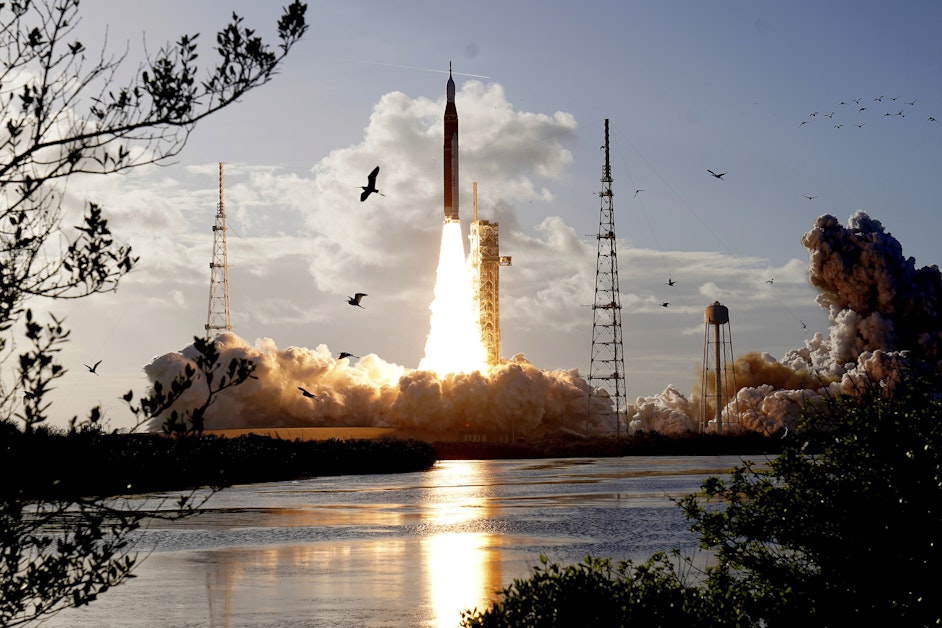
Artemis II astronauts reported both an older and a new version of Microsoft Outlook failing on a personal computer, and Mission Control is remotely troubleshooting the issue. A separate onboard toilet malfunction was fixed by astronaut Christina Koch; voice and data communications with Mission Control remain uninterrupted. Microsoft has not commented; Microsoft hardware is noted as supporting the Artemis II program.
A single reliability incident in a mission-critical environment is unlikely to move Microsoft’s top-line, but it is a forcing event for government and prime contractors to re-evaluate dependency on general-purpose commercial software. Expect procurement language to shift toward qualified, space-hardened stacks and guaranteed vendor SLAs; even a small reallocation of program spend (0.1–1% of large mission budgets) can translate into $10–200m contract opportunities for niche suppliers over 12–36 months.
The fastest second-order winners will be vendors that already hold required certifications (FIPS/NIAP/Common Criteria, DO-178C for avionics) and systems integrators that can bundle certification and on-orbit support. Those firms can move from one-off subcontract roles to multi-year sustainment contracts, which have higher gross margins and stickier revenue — procurement cycles are long, so meaningful revenue inflection typically shows up 6–24 months after a policy change.
For Microsoft, the practical impact is increased demand for premium enterprise support, validated builds, and managed redundancy for critical customers rather than lost revenue. A measured price for “mission assurance” (higher support tiers, space-certification services) could add low-single-digit percentage upside to cloud & enterprise services revenue over multiple years, but is unlikely to change near-term multiples unless incidents recur.
Key risks: a rapid patch and clear root-cause report will neutralize momentum toward procurement change, while a pattern of repeat failures or a high-profile hearing could accelerate contract re-write and regulatory scrutiny. Watch RFP updates from NASA/DoD, mentions of “space-certified” requirements in solicitation language, and prime contractor subcontract awards over the next 3–12 months as early signals.
AI-powered research, real-time alerts, and portfolio analytics for institutional investors.
Request DemoOverall Sentiment
neutral
Sentiment Score
0.00
Ticker Sentiment
