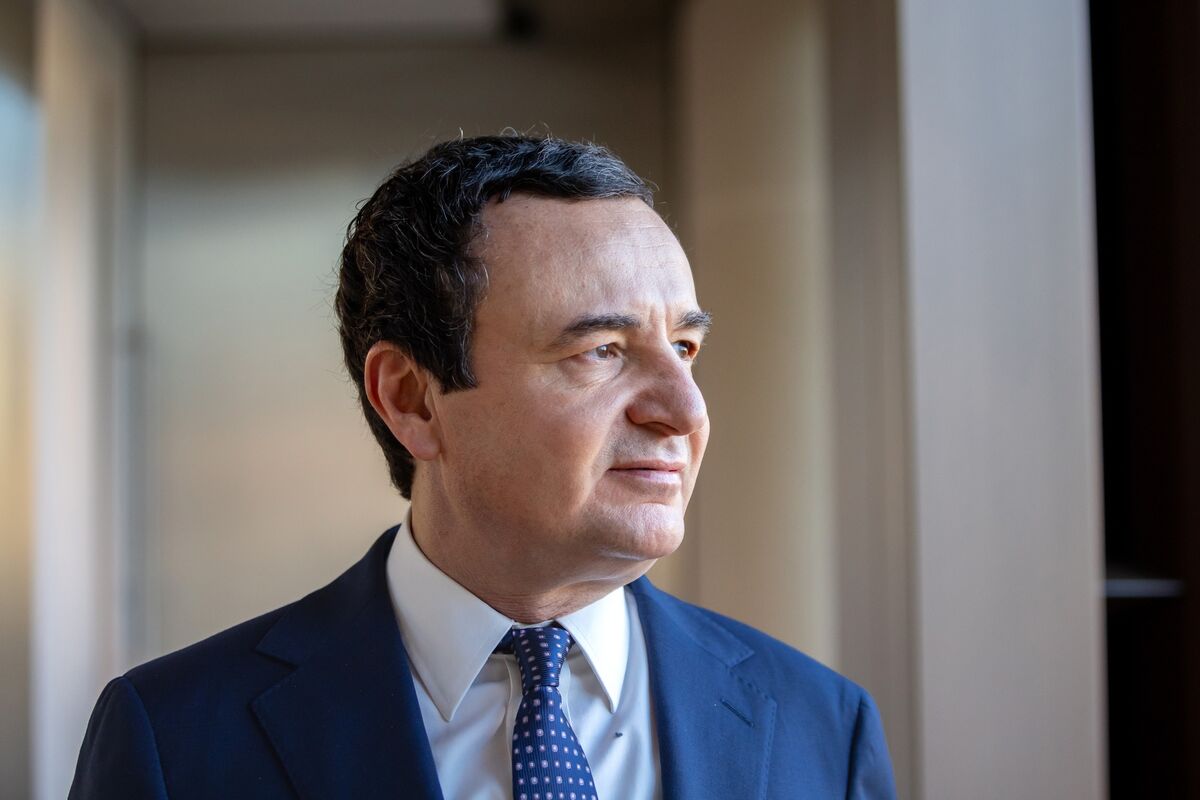
Kosovo's Prime Minister Albin Kurti faces his first significant public protest as employees of the state broadcaster demonstrated against months of parliamentary deadlock, which has resulted in blocked wages. This political paralysis, stemming from Kurti's inability to form a governing majority and 54 failed attempts to elect a speaker, highlights severe governance challenges impacting the nation's financial stability and the new administration's ability to function.
A significant political deadlock in Kosovo is translating into tangible economic distress, exemplified by protests from public sector employees over unpaid wages. This marks the first major public challenge to Prime Minister Albin Kurti's administration following his election victory in February. The government's inability to function is underscored by the 54 failed attempts to elect a parliamentary speaker, a clear indicator of severe political paralysis. This governance crisis directly impacts the nation's fiscal stability, preventing essential state functions like wage distribution. The situation points to a heightened sovereign risk profile for Kosovo, as the new government's failure to establish a working majority cripples its ability to govern and manage the economy, justifying the strongly negative sentiment surrounding these events.
AI-powered research, real-time alerts, and portfolio analytics for institutional investors.
Request DemoOverall Sentiment
strongly negative
Sentiment Score
-0.70
