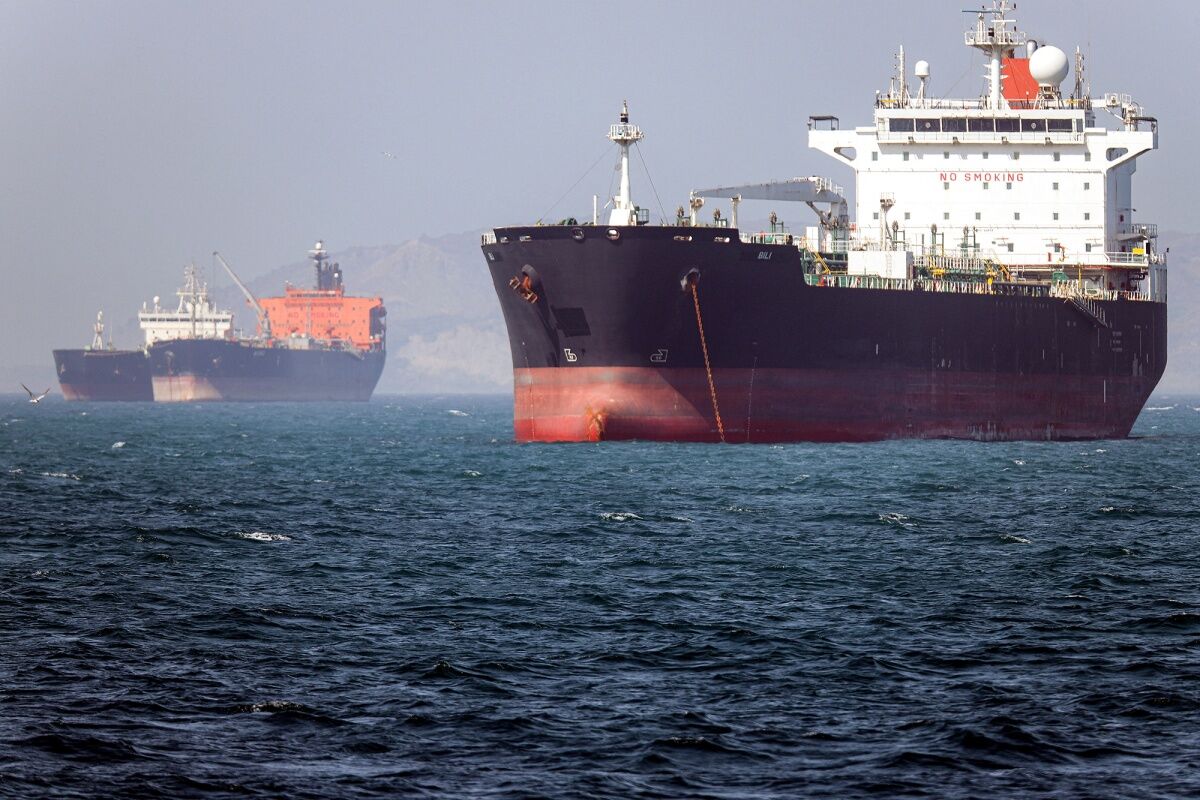
Hopes for a breakthrough in the Iran-U.S. standoff over the Strait of Hormuz faded after Iran’s updated deal proposal was deemed insufficient by the White House. Brent crude topped $110 as oil surged, while the S&P 500 erased earlier gains in a volatile, risk-off session. The article points to a market-wide geopolitical shock with immediate implications for energy prices and equities.
The market is still pricing this as a binary headline risk, but the more important dynamic is duration: a premium in crude tied to maritime security does not need a full closure to remain damaging. Even a partial disruption or elevated escort/insurance costs can keep prompt barrels tight, steepen the curve, and force refiners and airlines to pay up for near-term supply while later months stay relatively anchored.
The immediate losers are the oil-intensive, low-pricing-power parts of the economy: airlines, chemicals, trucking, and select consumer discretionary names with already-fragile margins. The second-order winner is not just upstream energy, but also producers and service names with short cycle exposure and inventories positioned to monetize spot tightness; if the move persists for several weeks, capital will rotate toward cash-flow visibility and away from cyclicals that can’t pass through fuel costs quickly.
The key risk is that consensus is underestimating how quickly policymakers can change the narrative if crude holds above a pain threshold. A sustained move in Brent above $100-110 typically forces coordinated diplomatic pressure, SPR rhetoric, and hedging by commercial users; that can cap upside in oil after the initial squeeze, even if the geopolitical issue remains unresolved.
Contrarianly, the move may be too narrow if investors are treating this as only an oil trade. The real opportunity is in relative value: energy producers with strong balance sheets and short-dated cash flow are better positioned than broad commodity beta, while high-energy-cost sectors face earnings estimate risk that hasn’t fully reflected in consensus yet. If oil spikes fade but volatility stays elevated, options premium likely remains rich, favoring structures that monetize both direction and implied vol.
AI-powered research, real-time alerts, and portfolio analytics for institutional investors.
Overall Sentiment
strongly negative
Sentiment Score
-0.55
