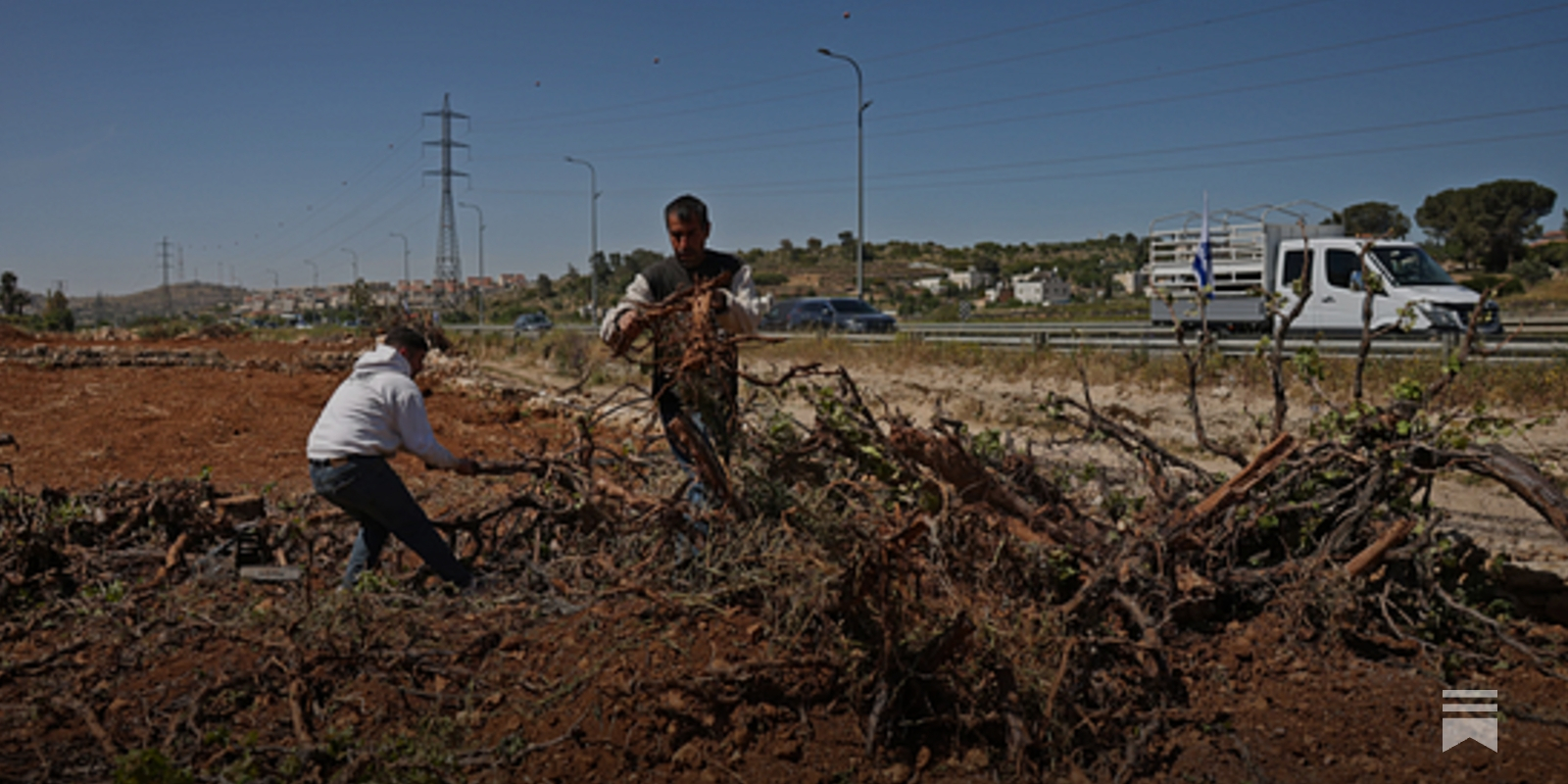
The article centers on escalating U.S.-Iran tensions, including Saudi Arabia and Kuwait suspending U.S. base access over the Strait of Hormuz operation, Iran formalizing new maritime control, and U.S. forces disabling an Iranian tanker in the Gulf of Oman. The geopolitical backdrop also includes renewed Israeli strikes in Lebanon and Gaza, with reported casualty counts rising sharply and aid restrictions worsening humanitarian conditions. The standoff raises material risk to regional shipping, energy flows, and broader market sentiment.
The market read-through is not just “Middle East risk up”; it is a growing probability of a logistics regime change. The key second-order effect is that Gulf partners are no longer passive infrastructure providers for U.S. power projection, which makes any sustained interdiction of Hormuz traffic more expensive, slower, and more politically brittle. That shifts the burden from a clean naval deterrence story to a rolling contest over permissions, escort capacity, and insurance premiums — a setup that tends to widen energy volatility even if spot supply is only marginally impaired.
For equities, the most exposed names are not only producers but downstream and transport-sensitive businesses that rely on stable bunker, jet fuel, and feedstock pricing. Iraq’s fiscal stress is a hidden amplifier: if energy revenues weaken or export pathways stay impaired, state spending and regional capex get cut, which feeds back into contractors, logistics, and EM sovereign risk premia. The article also implies a higher base rate of “accidental escalation” — tanker disablement, retaliation, or a misread corridor violation — that can create air-pocket moves in crude and defense names over days, not quarters.
The contrarian take is that some of the war premium may be better expressed through volatility rather than outright direction. If the current standoff forces a pause, partial diplomacy, or a face-saving re-routing arrangement, prompt crude could mean-revert quickly while longer-dated volatility stays bid. The bigger underappreciated trade is that repeated coercive signaling can accelerate non-U.S. maritime workarounds and regional de-dollarization in shipping/insurance, which is bearish for U.S.-aligned infrastructure leverage over a 6-18 month horizon.
AI-powered research, real-time alerts, and portfolio analytics for institutional investors.
Request DemoOverall Sentiment
strongly negative
Sentiment Score
-0.72
