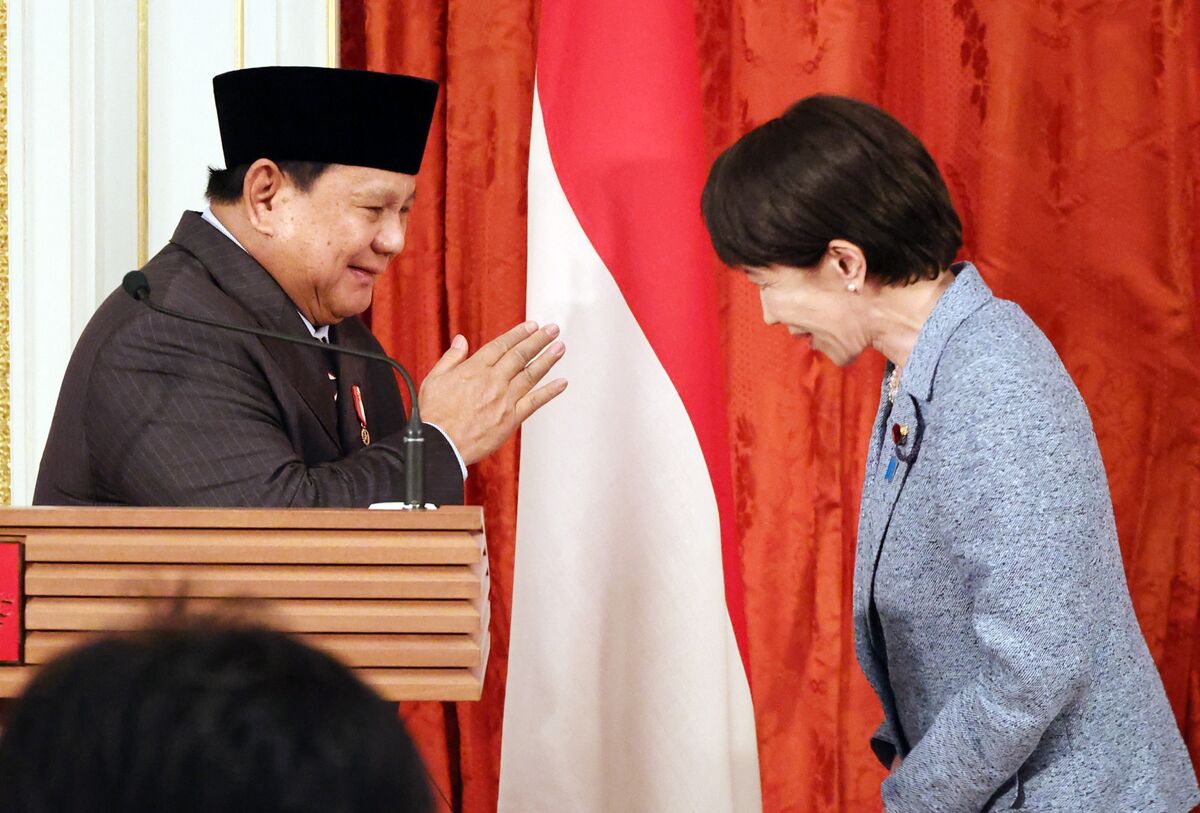
Japan and Indonesia pledged deeper economic ties and cooperation on energy security in response to market instability from the war in Iran, with Indonesia offering to help mediate de-escalation. No specific supply, financial or quantitative measures were announced, so near-term market impact is limited. The commitment modestly reduces geopolitical tail risk for energy markets but should not prompt material portfolio repositioning absent concrete agreements.
Japan’s capital and technology pivot into Indonesia is a multi-year supply-chain lever rather than a one-off geopolitical signal; expect meaningful capital deployment in LNG terminals, ammonia/hydrogen pilot projects, and battery-metal refining over 12–36 months. That dynamic favors assets tied to Indonesian export capacity and Japanese utility/trading houses that will underwrite offtake — not spot oil bulls — because the incremental energy being financed is largely gas/renewable-facing and displaces marginal crude/coal demand in Asia.
Near-term risk calibration should separate two time horizons: days–weeks for geopolitical spikes (oil/gas price shocks if Iran conflict escalates) and quarters–years for structural flows (investment into Indonesian energy capex, JVs, and trade corridors). A limited mediation success by Tokyo could materially compress short-term volatility (20–40% lower implied vols in Asia energy names), while delays or militarization would reprice risk premia across Asian FX and commodity-linked equities.
Second-order winners include LNG exporters with flexible cargoes and shipping/storage providers that enable longer-contract anchoring; second-order losers are short-cycle oil producers who currently trade on a near-term geopolitical risk premium. Also watch critical-minerals processing: Japanese capital that builds downstream nickel/cobalt refining in Indonesia will reroute value-add away from China, compressing Asian metal spreads and boosting Indonesian equity multiples over 18–36 months.
Consensus is treating this as diplomatic optics; the contrarian read is that the real lever is finance + long-dated contracts — a slow but durable energy rebalancing that mutes oil sensitivity and raises gas/renewable demand curves. If you buy the trade, you must be prepared for episodic volatility from conflict shocks but confident in a multiyear structural uptick in Indonesia-linked energy and industrial revenues.
AI-powered research, real-time alerts, and portfolio analytics for institutional investors.
Request DemoOverall Sentiment
mildly positive
Sentiment Score
0.20
