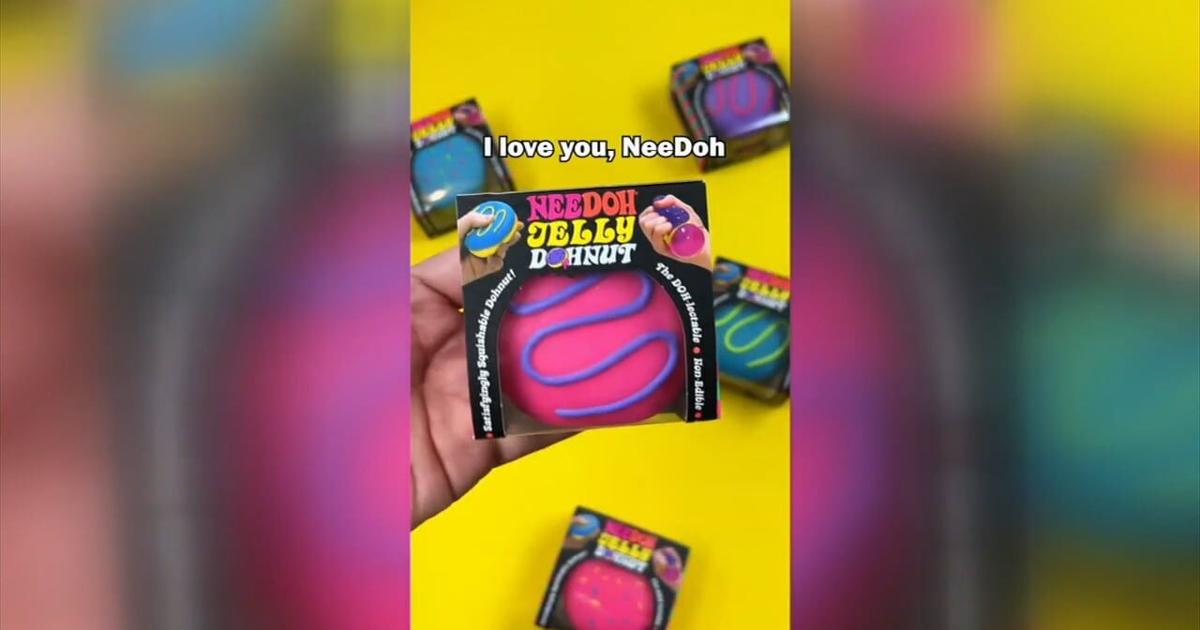
Sold-out status: NeeDoh squishy toys have been out of stock at Grandpa Joe's locations since January, with staff reporting roughly 10-15 calls per day and about 20 customer inquiries daily. The shortage is nationwide—big-box and online retailers are sold out—and social-media-driven hype is amplifying collectible demand and perceived scarcity. Impact is localized to seasonal retail and toy supply chains; there are minimal near-term implications for broader markets unless manufacturers materially increase output or pricing. Investors should note potential upside for suppliers able to clear backlogs, but current news is primarily a consumer-retail anecdote.
Scarcity driven by influencer momentum creates outsized short-term dollar capture for marketplaces and freight providers because consumers pay a premium to obtain a single hot SKU quickly; historically these fads drive 2-6 week spikes in realized ASPs and a 10-25% uplift in expedited shipping mix before normalizing. The economics favor platform owners (marketplace fee capture, ad monetization) and logistics operators (air/expedited surcharges) more than single-SKU manufacturers, because platforms scale distribution and margin without owning inventory risk.
On the supply side, the constraint is tooling and commodity polymer throughput rather than retail demand — once molds and packaging runs are reprioritized, private-label and copycats typically hit shelves in 6–12 weeks, which caps pricing power and accelerates share dilution for the originator. A regulatory or safety issue tied to low-cost polymers (chemical migration/phthalates) is a non-linear tail risk that could cause rapid delisting across channels and a multi-week trough in sell-through and ad rates.
From a behavioural/media perspective the half-life of TikTok-driven fads is short (measured in weeks); algorithmic attention can flip to the next item abruptly, which makes timing critical. Investment exposures that capture transaction fee and logistics upside with limited inventory exposure are preferred; pure single-SKU manufacturers or niche resellers have the most convex downside if the fad rotates or faces a recall.
AI-powered research, real-time alerts, and portfolio analytics for institutional investors.
Request DemoOverall Sentiment
neutral
Sentiment Score
0.10
