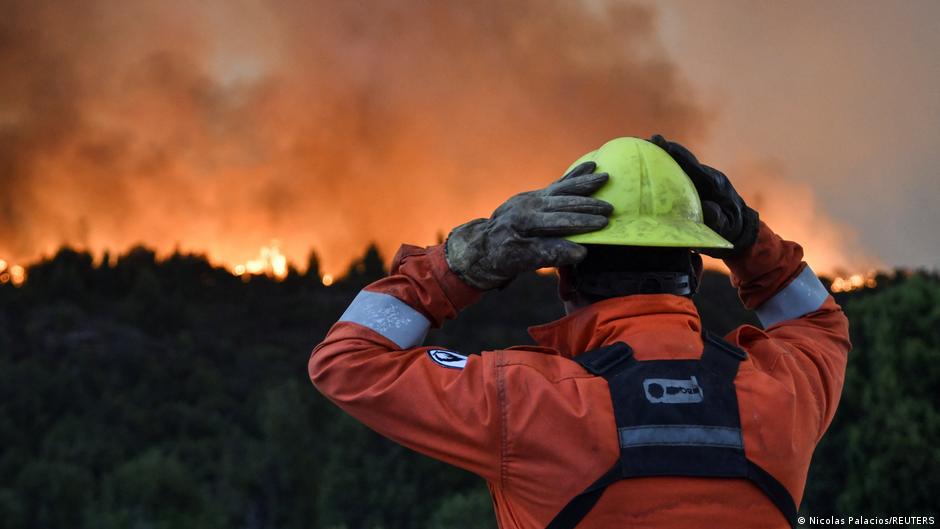
Researchers warn 2026 could bring a particularly severe global wildfire season, with burned area already 20% above the previous record and Africa at 85 million hectares burned versus 69 million hectares previously. A potential strong El Nino later this year could further amplify fire risk across Africa, Asia, the US and Australia, while wildfire smoke is flagged as a major health hazard. The article implies material risks to public health, climate-sensitive regions, and commodity/agricultural conditions.
The market is likely underpricing the duration of the inflation impulse from a severe fire year because the transmission is not just one-off disaster spending, but a multi-month squeeze on food, utilities, insurance, and logistics. The second-order winner set is narrower than the headline suggests: upstream commodity producers with ex-Africa exposure and pricing power can benefit, while downstream users tied to crop inputs, pulp, timber, and regional trucking face margin compression as replacement costs rise and inventories get rebuilt at worse prices. The most important catalyst is not the fires themselves but the interaction between weather whiplash and a hotter baseline, which raises the probability of simultaneous shocks across geographies. That matters for EM most: higher food prices and smoke-driven health costs tend to hit current-account fragile countries first, and currency weakness can amplify imported inflation within 1-2 quarters. In parallel, insurers and reinsurers face a bad mix of more frequent attritional losses and higher tail severity, which can reprice catastrophe budgets faster than equity analysts expect. From a timing perspective, the trade is better expressed over months than days. Near term, the market often treats these events as transitory, but if the seasonal pattern persists into the late-year weather setup, estimates for exposed sectors will be revised down repeatedly rather than in one clean cut. The key reversal risk is a fast return to cooler, wetter conditions and/or policy intervention on food and fuel prices, which would blunt the second-round inflation effects before they show up in margins. The contrarian angle is that consensus may be focusing too much on headline climate risk and not enough on beneficiaries of adaptation spend. Any sustained increase in fire frequency should accelerate demand for grid hardening, water infrastructure, fire detection, remote sensing, and emergency communications, creating a durable capex cycle even if the immediate disaster headlines fade. In other words, the trade is not just "risk off"; it is a rotation toward resilience and away from weather-sensitive cash flows.
AI-powered research, real-time alerts, and portfolio analytics for institutional investors.
Request DemoOverall Sentiment
strongly negative
Sentiment Score
-0.60
