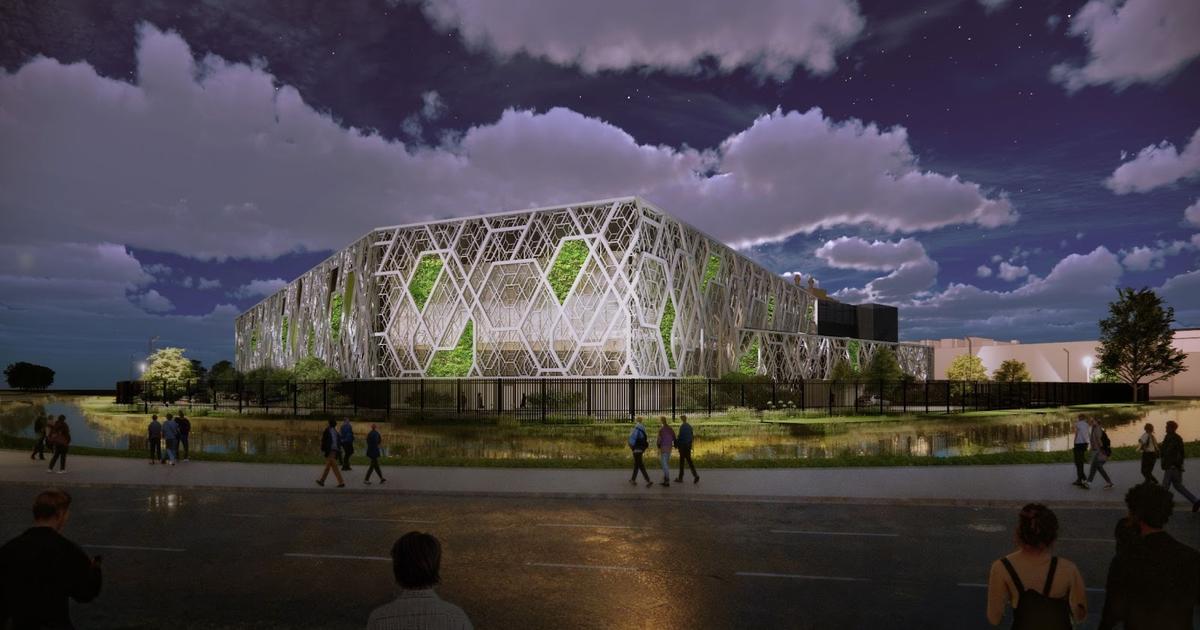
Architecture firms are reworking data-center design to blunt local opposition to the rapid AI-driven buildout, with Gensler saying data-center headcount rose 40% in a year and revenue from that business tripling since 2023 to $127 million. Municipalities are imposing aesthetic and siting demands amid broader concerns about energy and water stress, legal challenges and moratoriums that can delay projects and add costs. While designers propose parks and community amenities to improve optics, some operators prioritize speed (e.g., Meta's tent-like server enclosures), underscoring trade-offs between PR, regulatory risk and deployment timelines.
Market structure: Aesthetic retrofits are a marginal cost shift, not a demand shock — architects (private) and design-led contractors gain pricing power while large hyperscalers and top-tier data‑center REITs (Equinix, Digital Realty) retain scale advantages. Expect a 0.5–3% increase in per-site capex for façade/amenity upgrades; that is <1 year payback vs. multi‑year revenue from AI workloads, so supply-side buildout continues but with longer approval lead times (3–12 months) in contested jurisdictions.
Risk assessment: Tail risks center on regulatory moratoria, water/energy curtailments and high-profile lawsuits that could delay 10–30% of projects in specific counties; worst‑case (moratoria in >5% of target counties) could push REIT FFO down 5–12% year-on-year for affected assets. Short-term (days–weeks) volatility will spike on local permitting headlines; long-term (12–36 months) fundamentals still hinge on AI compute demand and grid upgrades.
Trade implications: Favor large, capital‑rich REITs (EQIX, DLR) and infrastructure names supplying renewables and transmission (NextEra NEE) while avoiding small regional developers dependent on contested sites. Use 6–12 month option structures (call spreads) to express upside with defined cost and buy commodity exposure to copper/steel (FCX or copper futures) as material inflation hedges; trim if >20% of planned builds report moratoria.
Contrarian view: Markets underprice the upside for operators that prioritize speed over optics (Meta’s tent model): low‑capex, rapid‑deployment strategies could win share if moratoria increase. Conversely, the “architecture solves PR” consensus underestimates systemic water/energy constraints — if freshwater stress metrics worsen 10%+ in hotspot counties, re‑rate regional assets aggressively.
AI-powered research, real-time alerts, and portfolio analytics for institutional investors.
Request DemoOverall Sentiment
neutral
Sentiment Score
0.00
Ticker Sentiment
