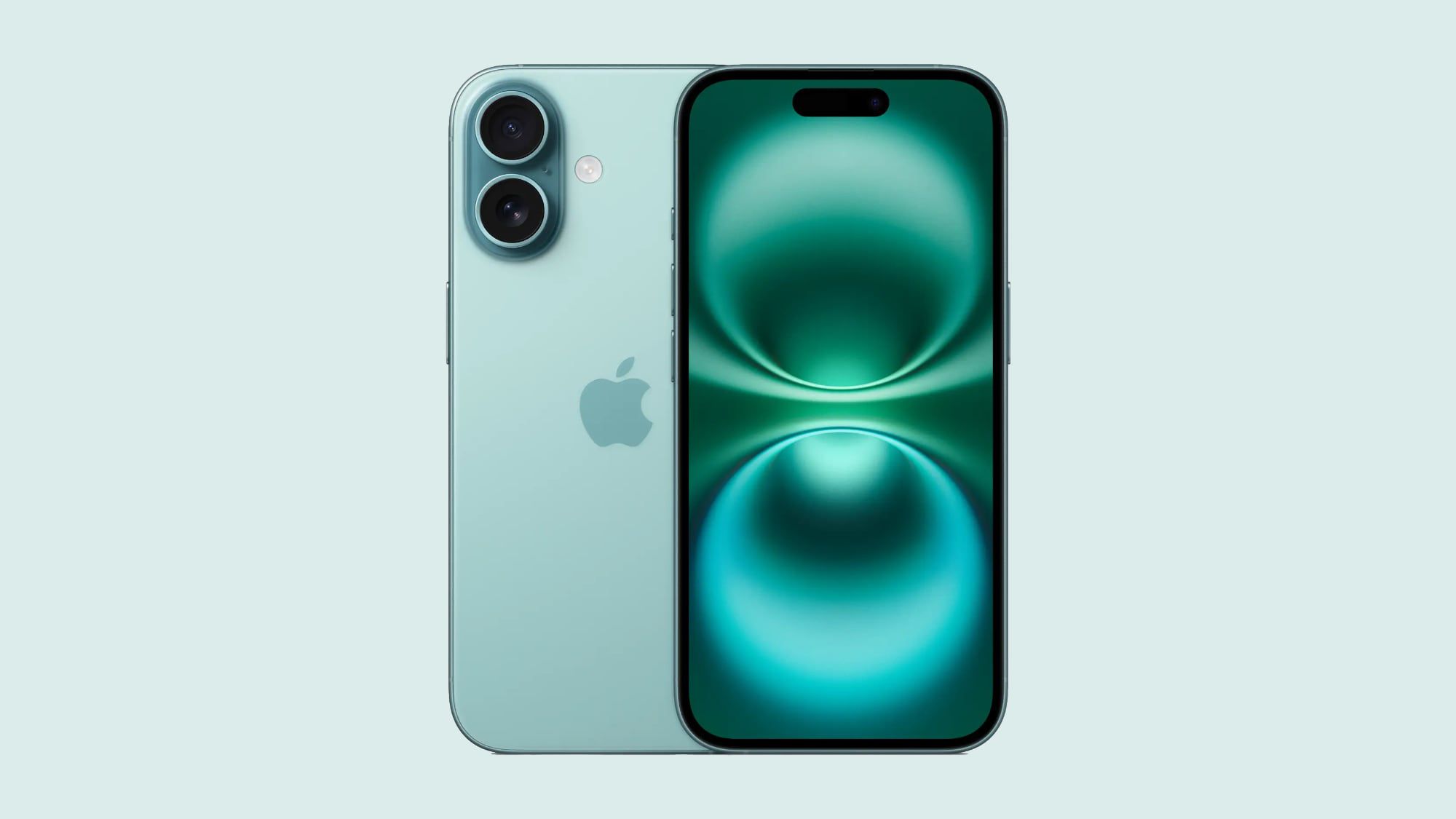
Apple agreed to pay $250 million to settle a U.S. class action over delayed Siri features, with eligible iPhone buyers potentially receiving $25 per device and up to $95 if claims come in below expectations. The case centers on Apple’s June 2024 Siri/Apple Intelligence preview and the March 2025 delay of the personalized Siri launch. Apple says the updated Siri will arrive later this year, likely as part of iOS 27, iPadOS 27 and macOS 27.
The settlement removes a headline overhang, but the more important effect is that it hardens the market’s skepticism around Apple’s AI execution timeline. For a premium hardware franchise, the risk is not the cash outlay; it is that delayed AI differentiation weakens the upgrade rationale for the highest-end iPhones over the next 1-2 product cycles. That makes the next several quarters more about proving feature delivery than monetizing the installed base.
Second-order, this is a relative loser for Apple’s premium pricing power and a modest beneficiary for competitors with faster consumer AI iteration. If Siri remains functionally behind expectations into the next OS cycle, the mix shift could tilt toward lower-cost flagships and elongate replacement periods, which tends to compress ASP upside even if unit demand is stable. On the ecosystem side, app developers and adjacent AI assistants gain time to become the default interface layer for tasks Apple promised to own.
The key catalyst is not the settlement itself but the next credible product milestone: if Apple ships a compelling personalized assistant on schedule, the stock can re-rate on relief; if not, the market will likely treat this as evidence that Apple Intelligence is a multi-year monetization story rather than a near-term upgrade engine. Tail risk is reputational: repeated slips on consumer AI could shift the narrative from "late but strong" to "structurally reactive," which would matter more for multiple compression than for near-term earnings.
The contrarian view is that this may be overinterpreted as a financial event and underappreciated as a legal clean-up that lets management reset expectations. The settlement cost is immaterial versus Apple’s cash generation, and a lower bar can actually support an earnings beat if the company delivers only part of the promised AI roadmap. In that sense, the real trade is less about damages and more about positioning for either a relief rally on execution or a de-rating if the next launch window slips again.
AI-powered research, real-time alerts, and portfolio analytics for institutional investors.
Request DemoOverall Sentiment
mildly negative
Sentiment Score
-0.15
Ticker Sentiment
